Understanding Heart Disease: Symptoms, Causes, Risk Factors, and Prevention
- June 19, 2026
- 0
Heart disease is one of the leading causes of illness and death worldwide. It is not a single condition but a group of disorders that affect the heart

Heart disease is one of the leading causes of illness and death worldwide. It is not a single condition but a group of disorders that affect the heart
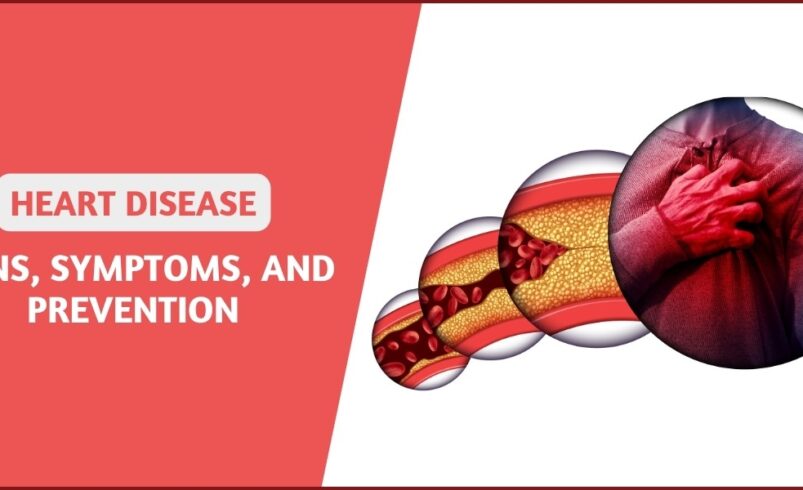
Heart disease is one of the leading causes of illness and death worldwide. It is not a single condition but a group of disorders that affect the heart and blood vessels. These conditions can develop gradually over many years and may not cause noticeable symptoms until they become serious.
The good news is that many cases of heart disease are preventable. By understanding the risk factors, recognizing the warning signs, and making healthy lifestyle choices, you can significantly reduce your chances of developing heart-related complications.
Whether you’re looking to protect your own health or learn more about heart disease for a loved one, this guide explains everything you need to know.
Heart disease is a general term used to describe several conditions that affect the heart’s structure and function.
Common types of heart disease include:
Among these, coronary artery disease is the most common and is responsible for many heart attacks.
Heart disease develops when the heart or blood vessels become damaged over time.
Common causes include:
These factors can reduce blood flow to the heart and increase the risk of serious cardiovascular events.
Symptoms vary depending on the type of heart disease.
Common warning signs include:
Some people experience very mild symptoms, while others may develop sudden, severe complications.
A heart attack is a medical emergency that occurs when blood flow to part of the heart is blocked.
Symptoms may include:
Not everyone experiences the same symptoms. Women, older adults, and people with diabetes may have less typical symptoms such as unusual fatigue, nausea, or shortness of breath.
If you suspect a heart attack, seek emergency medical care immediately.
Several factors increase the likelihood of developing heart disease.
Risk factors include:
The more risk factors you have, the greater your chance of developing cardiovascular disease.
Doctors use several tests to evaluate heart health.
Depending on your symptoms, these may include:
These investigations help identify heart problems and determine the most appropriate treatment.
Treatment depends on the type and severity of heart disease.
Your healthcare provider may recommend:
Following your treatment plan consistently is essential for improving long-term outcomes.
Many cases of heart disease can be prevented by adopting healthier habits.
Include plenty of:
Limit foods high in:
Aim for at least 150 minutes of moderate-intensity exercise every week.
Walking, swimming, cycling, and dancing are all excellent choices.
Achieving and maintaining a healthy weight reduces strain on the heart and lowers the risk of diabetes and high cholesterol.
Smoking damages blood vessels and significantly increases the risk of heart attack and stroke.
Quitting smoking provides health benefits at any age.
Long-term stress may contribute to unhealthy behaviors and increase cardiovascular risk.
Helpful strategies include:
Although not every case can be prevented, many people can significantly reduce their risk through healthy lifestyle choices.
Regular health screenings are also important for identifying:
Managing these conditions early helps protect your heart over the long term.
Arrange a medical appointment if you experience:
Seek emergency medical attention immediately if you experience symptoms suggestive of a heart attack.
No. Heart disease refers to several conditions affecting the heart. A heart attack is one possible complication of coronary artery disease.
Yes. Although the risk increases with age, younger adults can develop heart disease, especially if they smoke, have obesity, diabetes, or a strong family history.
Yes. Regular physical activity helps improve circulation, lower blood pressure, maintain a healthy weight, and reduce the risk of cardiovascular disease.
Adults should attend regular health check-ups, particularly if they have risk factors such as diabetes, high cholesterol, obesity, or a family history of heart disease.
Heart disease remains one of the most significant health challenges worldwide, but many cases are preventable through healthy lifestyle choices and early medical care. Recognizing the warning signs, understanding your personal risk factors, and attending regular health screenings can greatly reduce the likelihood of serious complications such as heart attacks and heart failure.
A balanced diet, regular exercise, maintaining a healthy weight, avoiding smoking, and managing conditions like diabetes and high cholesterol all contribute to better heart health. Taking proactive steps today can help protect your heart and improve your quality of life for years to come.