Diabetes is a common metabolic condition that affects how the body regulates blood sugar, also known as blood glucose. Recognising the early signs of diabetes is important because the condition can develop gradually, sometimes without noticeable symptoms. Understanding the warning signs, risk factors, and available diagnostic tests can help people seek medical advice before complications develop.
For people researching diabetes symptoms, type 2 diabetes, or high blood sugar, knowing what to look for is a useful first step towards better health.
What Are the Early Symptoms of Diabetes?
The symptoms of diabetes can vary depending on the type of diabetes and how high blood glucose levels become. Some people experience noticeable changes, while others may have no obvious symptoms.
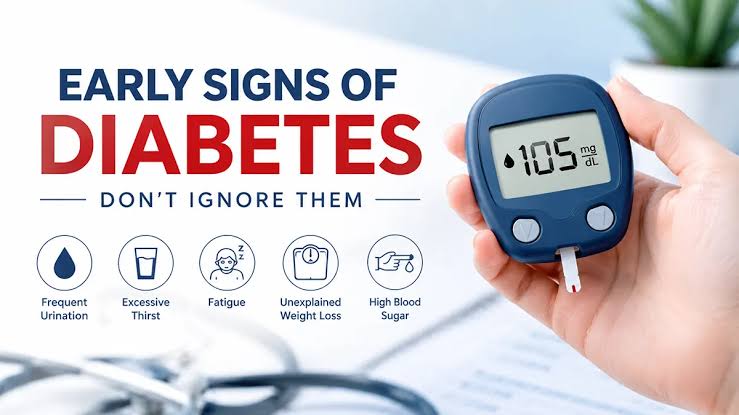
Common warning signs include:
- Frequent urination: The body may try to remove excess glucose through urine, increasing the need to urinate.
- Increased thirst: Frequent urination can lead to fluid loss, making a person feel unusually thirsty.
- Persistent fatigue: Changes in how the body uses glucose can contribute to tiredness and reduced energy.
- Blurred vision: High blood glucose can temporarily affect the eye’s ability to focus.
- Slow-healing wounds: Some people experience delayed healing or recurring infections.
- Unexplained weight loss: This can occur, particularly with type 1 diabetes, when the body cannot use glucose effectively.
These symptoms do not automatically mean someone has diabetes. Other health conditions can cause similar problems, so medical assessment is important. The American Diabetes Association also identifies increased hunger and tingling or numbness in the hands and feet among possible warning signs.
What Is the Difference Between Type 1 and Type 2 Diabetes?
Type 1 and type 2 diabetes both affect blood glucose regulation, but they develop differently.
Type 1 diabetes occurs when the immune system destroys the insulin-producing cells in the pancreas. Insulin is a hormone that helps glucose move from the bloodstream into cells. People with type 1 diabetes require insulin treatment to survive. Symptoms can develop relatively quickly and may include intense thirst, frequent urination, fatigue, and unexplained weight loss.
Type 2 diabetes develops when the body does not respond effectively to insulin and, over time, may not produce enough to maintain normal blood glucose levels. It is the more common form of diabetes and can develop gradually over several years.
Because type 2 diabetes may cause few or no early symptoms, some people discover the condition during routine blood tests. This makes appropriate health assessments particularly important for individuals with recognised risk factors.
Who Is at Risk of Developing Type 2 Diabetes?
Several factors can increase the likelihood of developing type 2 diabetes. These include excess body weight, limited physical activity, a family history of diabetes, smoking, and certain dietary and metabolic factors.
Age can also influence risk, although type 2 diabetes can affect younger adults as well. A history of gestational diabetes may increase a woman’s risk of developing type 2 diabetes later in life.
Having one or more risk factors does not mean diabetes is inevitable. However, discussing personal risk with a healthcare professional can help determine whether blood glucose testing or preventive measures are appropriate.
How Is Diabetes Diagnosed?
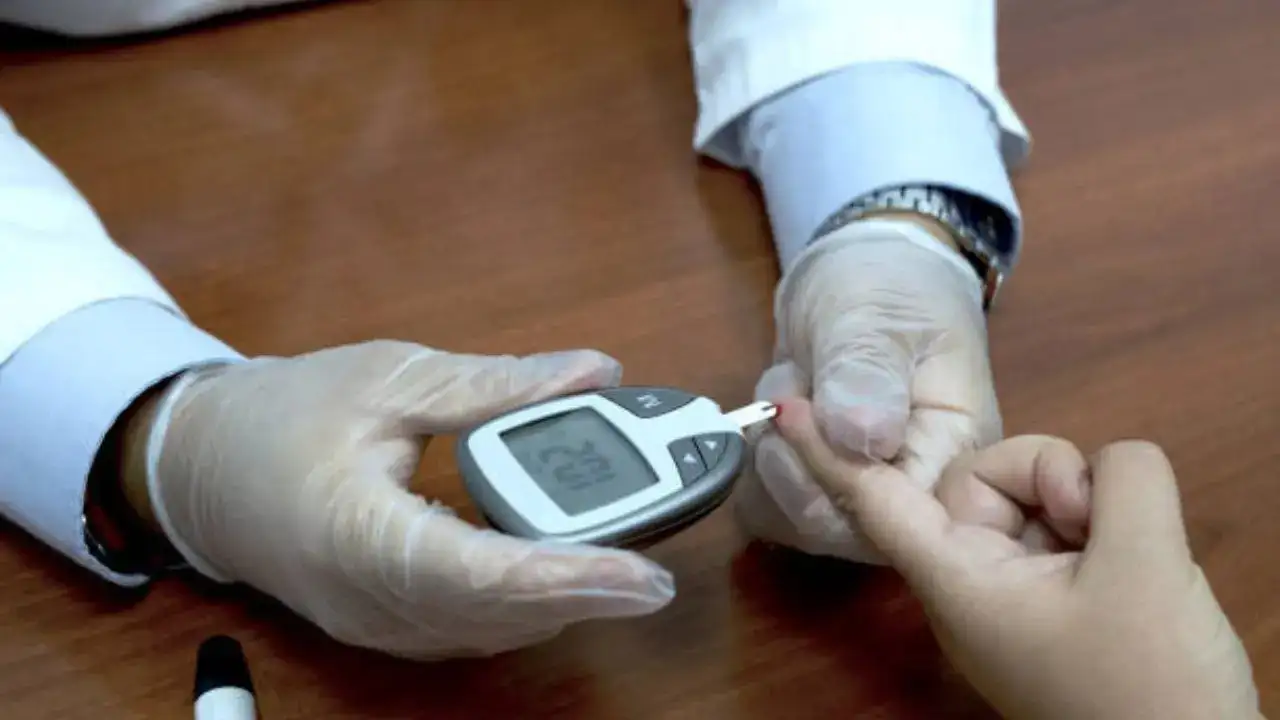
Diabetes cannot be reliably diagnosed from symptoms alone. Healthcare professionals use blood tests to assess glucose levels and determine whether further evaluation is necessary.
Common diagnostic tests include fasting blood glucose, which measures blood sugar after a period without food, and the HbA1c test, which estimates average blood glucose levels over approximately two to three months.
In some situations, an oral glucose tolerance test may be recommended to assess how the body processes glucose after consuming a measured glucose drink.
The appropriate test depends on the person’s symptoms, medical history, and clinical circumstances. Depending on the results and circumstances, a healthcare professional may recommend repeat testing to confirm a diagnosis.
How Can You Reduce the Risk of Type 2 Diabetes?
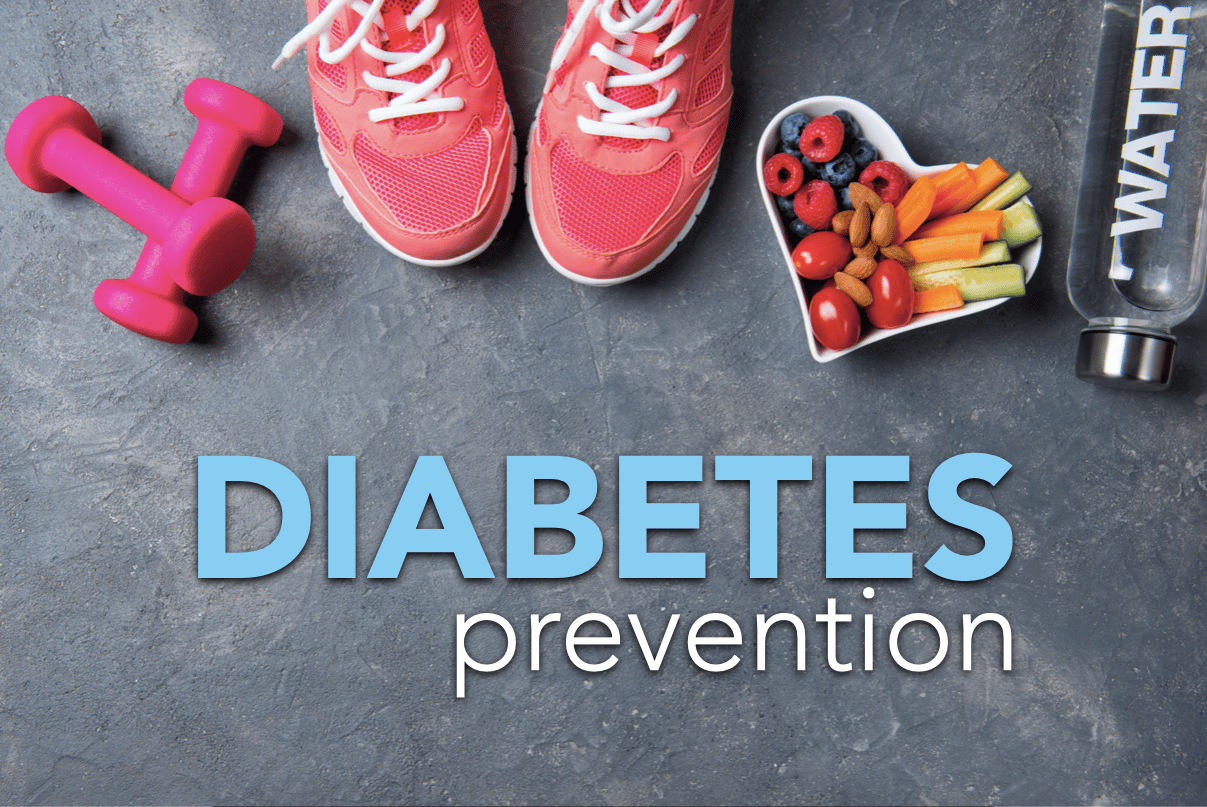
Although not every case of diabetes can be prevented, certain lifestyle changes can help reduce the risk of type 2 diabetes.
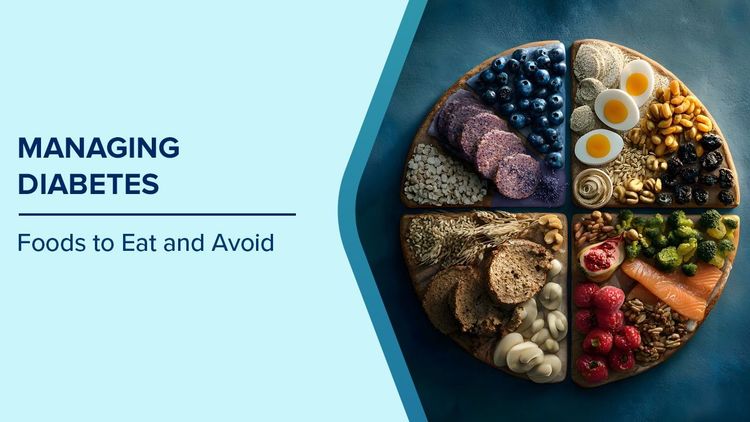
A balanced diet that includes vegetables, whole grains, legumes, fruit, and appropriate protein sources can support overall metabolic health. Limiting sugary drinks and frequently consuming highly processed foods may also help improve dietary quality.
Regular physical activity supports insulin sensitivity and cardiovascular health. Walking, cycling, swimming, and other activities suited to your abilities can be practical ways to become more active.
For people who are above a healthy weight, achieving and maintaining a sustainable weight may help reduce diabetes risk. Avoiding smoking, getting adequate sleep, and attending recommended health assessments are also valuable parts of a preventive approach.
When Should You Seek Medical Advice?
Consult a healthcare professional if you experience persistent thirst, frequent urination, unexplained weight changes, or ongoing fatigue. Early assessment can help identify the cause and determine whether treatment is needed.
Seek emergency medical care if symptoms include vomiting, abdominal pain, deep or rapid breathing, confusion, or severe drowsiness, particularly when accompanied by intense thirst and frequent urination. These can indicate a serious diabetes-related emergency.
Conclusion
Recognising the early signs of diabetes can encourage timely diagnosis and appropriate treatment. Symptoms such as frequent urination, increased thirst, fatigue, and blurred vision should not be ignored when they persist.
Understanding the differences between type 1 and type 2 diabetes, recognising personal risk factors, and seeking appropriate blood glucose testing can support better health outcomes. Early medical guidance and sustainable lifestyle habits can also help people manage diabetes risk and protect their long-term well-being.