Anemia: Symptoms, Causes, Types, and Treatment Explained
- July 2, 2026
- 0
Anemia is one of the most common blood disorders worldwide. It occurs when your body doesn’t have enough healthy red blood cells or hemoglobin to carry adequate oxygen

Anemia is one of the most common blood disorders worldwide. It occurs when your body doesn’t have enough healthy red blood cells or hemoglobin to carry adequate oxygen
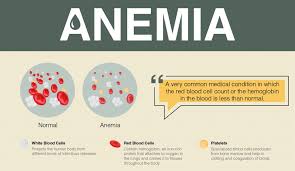
Anemia is one of the most common blood disorders worldwide. It occurs when your body doesn’t have enough healthy red blood cells or hemoglobin to carry adequate oxygen to your tissues. As a result, your organs and muscles receive less oxygen than they need, leading to fatigue, weakness, and other symptoms.
Although anemia can affect people of any age, it is especially common among women, children, older adults, and individuals with chronic medical conditions. Fortunately, many forms of anemia can be successfully treated once the underlying cause is identified.
In this guide, you’ll learn about the symptoms, causes, different types of anemia, available treatments, and ways to maintain healthy blood and iron levels.
Red blood cells contain a protein called hemoglobin, which binds to oxygen in the lungs and transports it throughout the body.
Anemia develops when:
Without enough oxygen-rich blood, many body systems cannot function efficiently.
Symptoms often develop gradually and may become more noticeable as anemia worsens.
Common symptoms include:
Severe anemia may also cause chest pain, fainting, or extreme fatigue.
Anemia has many possible causes.
The most common include:
Finding the underlying cause is essential because treatment varies depending on the type of anemia.
Several different forms of anemia exist.
This is the most common type and occurs when the body lacks enough iron to produce healthy hemoglobin.
Low levels of vitamin B12 or folate reduce red blood cell production.
Long-term illnesses such as kidney disease, cancer, or inflammatory disorders may interfere with normal red blood cell production.
In this condition, red blood cells are destroyed faster than the body can replace them.
A rare but serious disorder in which the bone marrow fails to produce enough blood cells.
Certain groups are more likely to develop anemia.
Risk factors include:
Regular health check-ups can help identify anemia before symptoms become severe.
Your healthcare provider may recommend several tests.
These commonly include:
These investigations help determine both the presence and the cause of anemia.
Treatment depends on the underlying cause.
Common treatments include:
Never start iron supplements without medical advice, as excess iron can also be harmful.
A balanced diet supports healthy red blood cell production.
Good food sources of iron include:
Vitamin C-rich foods such as oranges, strawberries, tomatoes, and bell peppers help improve iron absorption.
Untreated anemia may lead to:
Prompt diagnosis and treatment usually prevent these complications.
Many cases can be prevented through healthy lifestyle choices.
Helpful measures include:
People at higher risk may benefit from routine blood tests as recommended by their healthcare provider.
Arrange a medical appointment if you experience:
Early diagnosis allows treatment before complications develop.
No. Although iron deficiency is the most common cause, anemia may also result from vitamin deficiencies, chronic diseases, blood loss, or inherited conditions.
Some mild cases improve when the underlying cause is corrected, but many people require medical treatment or dietary changes.
Lean meat, liver, beans, lentils, spinach, fortified cereals, and pumpkin seeds are excellent sources of iron.
It can be. Mild anemia is often easily treated, but severe or untreated anemia can lead to heart problems, pregnancy complications, and reduced oxygen delivery throughout the body.
Anemia is a common condition that can affect energy levels, physical performance, and overall well-being. Because it has many possible causes, identifying the underlying problem is essential before beginning treatment. Most cases respond well to appropriate medical care, nutritional improvements, and regular monitoring.
If you experience persistent fatigue, weakness, dizziness, or other symptoms of anemia, consult a healthcare professional for evaluation. Early diagnosis and proper treatment can restore healthy red blood cell levels, improve oxygen delivery, and help you return to normal daily activities.