Why Is High Blood Pressure Called the Silent Killer?
- October 6, 2026
- 0
High blood pressure, also known as hypertension, is a common medical condition that affects millions of people worldwide. It occurs when the force of blood against the walls

High blood pressure, also known as hypertension, is a common medical condition that affects millions of people worldwide. It occurs when the force of blood against the walls
High blood pressure, also known as hypertension, is a common medical condition that affects millions of people worldwide. It occurs when the force of blood against the walls of the arteries remains consistently elevated. Although hypertension often causes no noticeable symptoms, it can gradually damage vital organs and increase the risk of serious health complications. Understanding the causes, warning signs, and prevention strategies can help people take better care of their cardiovascular health.
Blood pressure measures the force exerted by circulating blood against artery walls. It is recorded using two numbers: systolic pressure, which measures pressure when the heart contracts, and diastolic pressure, which measures pressure when the heart relaxes between beats.
A blood pressure reading is generally written as two numbers, such as 120/80 mmHg. The interpretation of a reading depends on clinical guidelines, measurement conditions, and individual health circumstances.
When blood pressure remains elevated over time, the heart must work harder to circulate blood. This additional strain can damage blood vessels and contribute to cardiovascular disease. A single high reading does not necessarily mean someone has hypertension, which is why repeated measurements and professional assessment are important.
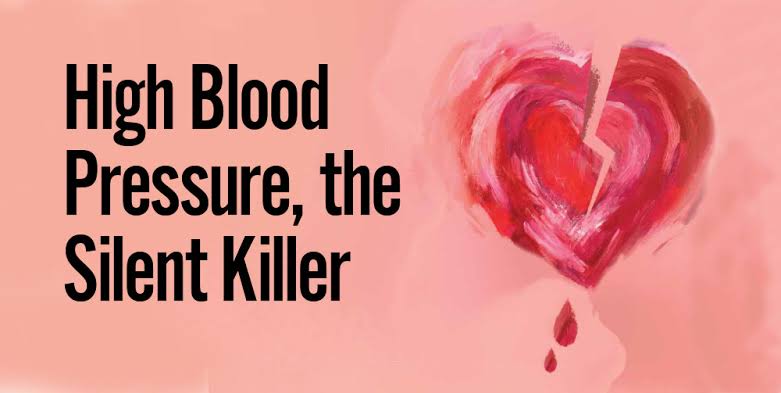
Hypertension is often called the silent killer because many people experience no obvious symptoms, even when their blood pressure is dangerously high. Someone may feel healthy while elevated blood pressure gradually affects the heart, brain, kidneys, and blood vessels.
If left untreated, hypertension can increase the risk of heart attacks, strokes, heart failure, kidney disease, and certain forms of vision damage.
Because symptoms are often absent, regular blood pressure monitoring is one of the most effective ways to identify the condition. Waiting until headaches, dizziness, or other symptoms appear is not a reliable strategy for detecting hypertension.
High blood pressure can develop through a combination of genetic, lifestyle, and medical factors. Common risk factors include:
Certain kidney conditions, hormonal disorders, and medications can also raise blood pressure. In many cases, there is no single identifiable cause.
Most people with hypertension do not experience noticeable symptoms. When blood pressure becomes extremely high, however, some individuals may develop severe headaches, chest pain, breathing difficulties, confusion, or changes in vision.
These symptoms should not be used to diagnose hypertension independently. Many can have other causes, and some people with dangerously high blood pressure may feel relatively normal.
Seek emergency medical assistance if you experience severe chest pain, significant difficulty breathing, sudden weakness, difficulty speaking, or sudden changes in vision. These symptoms may indicate a serious medical emergency regardless of the blood pressure reading.
Healthy lifestyle habits can help prevent high blood pressure and support better cardiovascular health.
A balanced diet rich in vegetables, fruits, whole grains, legumes, and other nutritious foods can support heart health. Reducing excessive sodium intake and limiting highly processed foods may also help manage blood pressure.
Regular physical activity is another important measure. Walking, cycling, swimming, and other suitable activities can improve cardiovascular fitness. Adults should aim for at least 150 minutes of moderate-intensity aerobic activity each week when medically appropriate.
Maintaining a healthy weight, avoiding tobacco, limiting alcohol, managing stress, and getting sufficient sleep can provide additional benefits.
People who already have hypertension may also need prescribed medication alongside lifestyle changes. They should not stop or change their medication without consulting their healthcare professional.
Regular blood pressure checks can help identify hypertension before complications develop. Measurements may be taken at a healthcare facility or at home using a validated blood pressure monitor.
For more reliable results, sit quietly for several minutes before measuring, keep your back supported, place your feet flat on the floor, and position your arm at heart level. Avoid measuring immediately after exercise, smoking, or consuming caffeine.
Record readings over time and discuss them with a healthcare professional. If measurements are consistently elevated, professional assessment can help determine whether further testing or treatment is necessary.
High blood pressure is a significant health concern because it can damage vital organs without producing obvious symptoms. Understanding hypertension, recognising its risk factors, and monitoring blood pressure regularly can help people take preventive action.
A balanced diet, regular physical activity, healthy lifestyle choices, and appropriate medical treatment can reduce the risks associated with hypertension. Early detection and consistent management are essential for protecting long-term cardiovascular health.