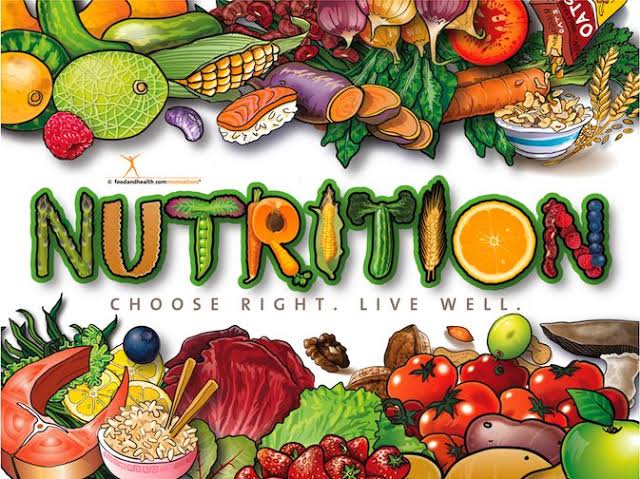
Eating is a part of everyday life, but nutrition is about more than simply having enough food. The meals eaten regularly can influence energy levels, concentration, digestion, immunity, growth, and overall well-being.
Eating healthy does not necessarily mean following a strict diet plan or giving up favourite foods. Good nutrition is generally about understanding what the body needs and making balanced choices most of the time.
What Is Healthy Eating?
Good nutrition means providing the body with a suitable balance of nutrients through food and, when appropriate, using supplements with professional guidance.
The body needs several important nutrients to function properly, including:
- Protein
- Carbohydrates
- Healthy fats
- Vitamins
- Minerals
- Fibre
- Water
Each nutrient has a different role. Protein helps build and repair body tissues, carbohydrates provide energy, healthy fats support important body functions, and vitamins and minerals contribute to processes such as immune function, bone health, and normal metabolism.
A balanced diet is therefore not about focusing heavily on one particular food or nutrient. It is about variety, balance, and consistency.
Why Is Nutrition Important?
Nutrition can influence many aspects of everyday health.
A balanced diet can support:
- Steady energy throughout the day
- Healthy digestion
- Normal immune function
- Strong bones and muscles
- Healthy growth and development
- Better concentration
- Healthy body weight
- Overall physical and mental well-being
Over time, poor eating habits can contribute to nutritional deficiencies and may increase the risk of certain health problems.
This does not mean every meal needs to be perfect. Overall eating patterns are generally more important than one individual meal or an occasional treat.
A Balanced Plate Can Make Meals Easier
With so much nutrition advice available, healthy eating can sometimes feel confusing. One simple approach is to include a variety of food groups in regular meals.
A balanced meal can include:
- Vegetables and fruits
- Whole grains or other sources of carbohydrates
- Protein such as eggs, beans, lentils, fish, dairy products, or suitable alternatives
- Healthy fats in appropriate amounts
Eating a variety of foods also makes it easier to obtain a wider range of nutrients.
Nutritional requirements can vary depending on age, activity level, health conditions, lifestyle, and individual needs.
The Role of Protein
Protein is an important nutrient that helps build, repair, and maintain body tissues.
Common sources of protein include:
- Eggs
- Dairy products
- Fish
- Poultry
- Beans
- Lentils
- Peas
- Soy products
- Nuts and seeds
Including a suitable source of protein in meals can also contribute to feelings of fullness and help support regular eating patterns.
Protein requirements differ from person to person, so individual dietary needs should be considered when planning meals.
Fibre and Digestive Health
Fibre is another important part of a balanced diet. It is naturally found in foods such as vegetables, fruits, whole grains, beans, lentils, nuts, and seeds.
Getting enough fibre can support normal digestion and bowel health. Fibre-rich foods can also help provide a feeling of fullness and make meals more satisfying.
When increasing fibre intake after a period of eating very little fibre, gradual changes along with adequate fluid intake can make the transition easier for the digestive system.
Nutrition Also Includes Water
Hydration is sometimes forgotten when discussing nutrition, but water is essential for normal body functions.
Fluid requirements can vary depending on factors such as weather, physical activity, age, diet, and individual health needs.
Drinking water regularly throughout the day can help maintain hydration. During hot weather or periods of increased physical activity, fluid requirements may also increase.
The Connection Between Nutrition and Daily Energy
Food provides the energy needed for everyday activities, from working and studying to walking, exercising, and completing household tasks.
Eating too little or relying heavily on foods that provide limited nutritional value may make it harder to maintain steady energy levels.
Meals containing a combination of carbohydrates, protein, healthy fats, and fibre can provide a wider range of nutrients and energy.
However, energy requirements are different for everyone. A person with a physically active lifestyle may require more energy than someone who spends most of the day sitting.
Healthy Eating Does Not Mean Giving Up Every Treat
Healthy eating is sometimes misunderstood as avoiding sweets, fried foods, desserts, or other favourite foods completely.
A balanced diet can still include foods that are enjoyed for pleasure. What matters most is the overall pattern of eating.
Including nutrient-rich foods regularly while limiting highly processed or high-sugar foods can create a more realistic and sustainable approach to healthy eating.
Excessive restriction can make healthy eating difficult to maintain over the long term.
Nutrition Through Different Life Stages
Nutritional needs can change throughout life.
Children need sufficient nutrients to support growth and development. Adults may have different requirements depending on activity levels, lifestyle, and overall health. Older adults may need particular attention to areas such as protein, fibre, hydration, and certain vitamins and minerals.
Pregnancy, breastfeeding, athletic training, and certain medical conditions can also change nutritional requirements.
Since nutritional needs vary from person to person, personalised advice from a qualified healthcare or nutrition professional may sometimes be appropriate.
When to Seek Professional Nutrition Advice
General nutrition information can be helpful for understanding healthy eating, but individual dietary needs may require professional guidance.
A qualified dietitian, nutritionist, doctor, or other healthcare professional can provide advice based on factors such as medical history, lifestyle, nutritional requirements, and specific health goals.
Professional guidance can be particularly useful when managing a health condition affected by diet or when considering significant changes to eating habits.

Creating Healthier Eating Habits
A healthier diet does not require completely changing everything at once.
Small changes can often be easier to maintain. Preparing more home-cooked meals, adding vegetables to regular meals, choosing whole grains more often, including suitable protein sources, drinking enough water, and paying attention to portion sizes can gradually improve overall eating habits.
Consistency is often more realistic than perfection.
Healthy eating should support everyday life rather than become another source of unnecessary stress.
Conclusion
Good nutrition is one of the foundations of long-term health. The food consumed regularly provides the nutrients and energy needed for normal body functions, growth, repair, and everyday activities.
Healthy eating does not have to be complicated or extreme. Eating a variety of foods, choosing appropriate portions, staying hydrated, and making balanced choices consistently can provide a practical foundation for better nutrition.
When specific health conditions or dietary requirements are involved, professional advice can help create an approach that is appropriate for individual needs.