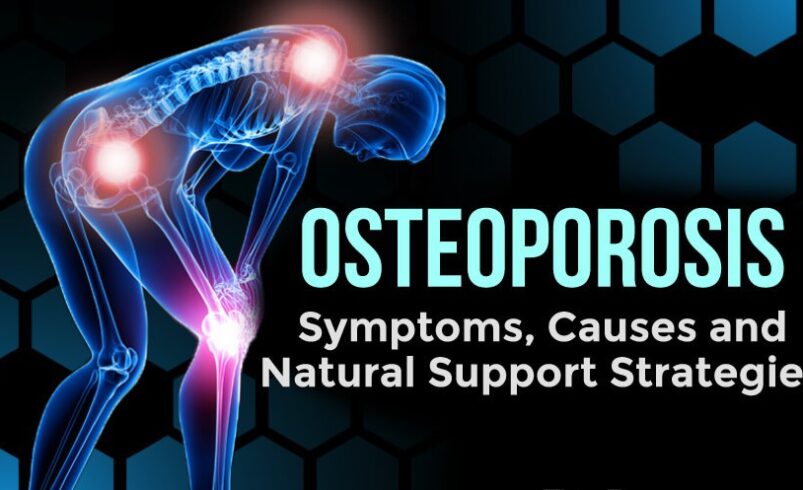
Osteoporosis is a common bone disease that causes bones to become weak, brittle, and more likely to fracture. It develops gradually over many years and often goes unnoticed until a minor fall or injury leads to a broken bone.
Although osteoporosis is more common in older adults, particularly women after menopause, it can affect men and younger people as well. Early diagnosis, proper treatment, and healthy lifestyle habits can help maintain bone strength and reduce the risk of fractures.
This guide explains everything you need to know about osteoporosis, including its causes, symptoms, diagnosis, treatment, and ways to keep your bones healthy throughout life.
What Is Osteoporosis?
Bones are living tissues that constantly break down and rebuild. During childhood and early adulthood, the body creates new bone faster than old bone is removed, resulting in stronger bones.
As people age, this balance changes. Bone loss begins to outpace bone formation, causing bones to become thinner and weaker. Over time, this loss of bone density can lead to osteoporosis.
The condition most commonly affects the:
Fractures in these areas can significantly affect mobility and quality of life.
What Causes Osteoporosis?
Osteoporosis develops when bone loss occurs faster than new bone can be formed.
Several factors contribute to this process, including:
- Natural aging
- Hormonal changes after menopause
- Low calcium intake
- Vitamin D deficiency
- Lack of physical activity
- Smoking
- Excessive alcohol consumption
- Long-term use of corticosteroid medications
- Certain hormonal disorders
- Family history of osteoporosis
Many people have more than one contributing factor.
Who Is Most at Risk?
Anyone can develop osteoporosis, but the risk is higher in people who:
- Are over 50 years of age
- Are women, especially after menopause
- Have a small body frame
- Have a family history of osteoporosis
- Smoke
- Consume excessive alcohol
- Have low calcium or vitamin D intake
- Have chronic medical conditions affecting bone health
- Use steroid medications for extended periods
Knowing your risk factors can help you take preventive action before significant bone loss occurs.
Symptoms of Osteoporosis
In its early stages, osteoporosis usually causes no noticeable symptoms.
As bones become weaker, symptoms may include:
- Back pain
- Loss of height over time
- Stooped posture
- Bones that fracture easily
- Reduced mobility after minor falls
- Persistent pain following a fracture
Many people discover they have osteoporosis only after breaking a bone.
Common Fractures Caused by Osteoporosis
Fragile bones are more likely to break even after minor injuries.
The most common osteoporosis-related fractures occur in the:
- Hip
- Wrist
- Spine
- Upper arm
- Pelvis
Hip and spinal fractures can have a significant impact on independence and long-term health.
How Is Osteoporosis Diagnosed?
Doctors use several methods to evaluate bone health.
These include:
Bone Density Scan (DEXA Scan)
A DEXA scan measures bone mineral density and is the most common test used to diagnose osteoporosis.
Medical History
Your healthcare provider will assess risk factors, previous fractures, medications, and family history.
Blood Tests
Blood tests may help identify vitamin D deficiency, calcium imbalance, thyroid disorders, or other conditions affecting bone health.
Fracture Risk Assessment
Healthcare providers may estimate your future fracture risk based on age, bone density, and other health factors.
Treatment Options
Treatment aims to strengthen bones, reduce bone loss, and prevent fractures.
Depending on the severity of the condition, treatment may include:
- Bone-strengthening medications
- Calcium supplements if needed
- Vitamin D supplements
- Fall-prevention strategies
- Weight-bearing exercise
- Balance and strength training
- Treatment of underlying medical conditions
Treatment plans should always be individualized based on medical advice.
Lifestyle Changes for Stronger Bones
Healthy daily habits play a major role in protecting bone health.
Eat Calcium-Rich Foods
Good sources include:
- Milk
- Yogurt
- Cheese
- Leafy green vegetables
- Almonds
- Tofu
- Sardines
- Fortified plant-based beverages
Get Enough Vitamin D
Vitamin D helps the body absorb calcium effectively.
Sources include:
- Safe sunlight exposure
- Fatty fish
- Egg yolks
- Fortified foods
- Supplements if recommended
Exercise Regularly
Weight-bearing and muscle-strengthening exercises help maintain bone density.
Examples include:
- Walking
- Climbing stairs
- Dancing
- Resistance training
- Light jogging
Prevent Falls
Reducing the risk of falls is an important part of osteoporosis management.
Helpful strategies include:
- Wearing supportive footwear
- Keeping walkways free of clutter
- Installing grab bars where needed
- Improving home lighting
- Having regular vision checks
Avoid Smoking and Limit Alcohol
Smoking and excessive alcohol intake contribute to bone loss and increase fracture risk.
Can Osteoporosis Be Prevented?
Although aging cannot be prevented, healthy habits can greatly reduce the risk of osteoporosis.
Preventive measures include:
- Eating a balanced diet rich in calcium
- Maintaining healthy vitamin D levels
- Staying physically active
- Avoiding smoking
- Limiting alcohol
- Maintaining a healthy body weight
- Discussing bone density screening with your healthcare provider if you are at increased risk
Building strong bones earlier in life also helps reduce future risk.
When Should You See a Doctor?
Arrange a medical appointment if you:
- Experience a fracture after a minor fall
- Notice loss of height
- Have persistent back pain
- Have multiple osteoporosis risk factors
- Are concerned about bone health after menopause
Early diagnosis allows treatment before additional fractures occur.
Frequently Asked Questions
Can osteoporosis be cured?
There is currently no cure, but treatment can slow bone loss, improve bone strength, and reduce the risk of fractures.
Is osteoporosis only a disease of older women?
No. Although women after menopause are at higher risk, men and younger adults can also develop osteoporosis.
Which exercise is best for osteoporosis?
Weight-bearing exercises such as walking and resistance training are generally recommended because they help maintain bone strength.
Should everyone take calcium supplements?
Not necessarily. Many people can meet their calcium needs through diet. Supplements should only be taken after discussing them with a healthcare professional.
Conclusion
Osteoporosis is often called a “silent disease” because it usually develops without symptoms until a fracture occurs. However, early diagnosis and healthy lifestyle habits can make a significant difference in preserving bone strength and reducing the risk of serious injuries.
Eating a calcium-rich diet, maintaining adequate vitamin D levels, exercising regularly, avoiding smoking, and attending recommended bone health screenings are all effective ways to support healthy bones throughout life. If you have risk factors or experience fractures after minor injuries, consult a healthcare professional for a thorough evaluation and personalized treatment plan.