Mental health is an essential part of overall health, but it is often overshadowed by physical health. While physical health may be easier to notice, emotional and psychological well-being can have a significant impact on everyday life, relationships, work, decision-making, and the ability to deal with difficult situations.
Mental health is not simply the absence of a mental health condition. It also involves the way thoughts, emotions, and behaviour are managed. Psychological wellness means being in a state of well-being that allows a person to function effectively, cope with everyday challenges, and maintain a healthy quality of life.
What Is Mental Health?
Mental health refers to a person’s psychological, emotional, and social well-being. It can influence how thoughts are processed, how emotions are experienced, and how different situations are handled.
Mental health can change throughout a person’s lifetime. Work-related stress, financial problems, relationship difficulties, major life events, loneliness, and lack of sleep can all affect emotional well-being.
Experiencing difficult emotions during challenging periods is a normal part of life. However, when symptoms continue for a long period, become severe, or begin interfering with everyday activities, professional support may be necessary.
Why Does Mental Health Matter?
Mental health affects almost every aspect of daily life. Good mental well-being can make it easier to manage responsibilities, maintain relationships, handle stress, and adapt to changes.
Healthy mental well-being can support:
- Improved focus and decision-making
- Better relationships
- More effective stress management
- Greater emotional stability
- Increased motivation and productivity
- Healthier ways of handling change and setbacks
- Improved overall quality of life
When mental health conditions are left unaddressed, everyday responsibilities may gradually become more difficult to manage. Work, education, relationships, sleep, eating habits, and physical health can all be affected.
For this reason, mental health deserves the same care and attention as physical health.
The Link Between Mental Health and Physical Health
Mental health and physical health are closely connected. Long-term stress can affect sleep, energy levels, appetite, concentration, and other aspects of physical functioning. At the same time, chronic physical health problems can contribute to emotional distress.
Looking after mental health is therefore not separate from looking after physical health. Overall well-being can be supported through regular physical activity, sufficient sleep, nutritious food, meaningful social connections, relaxation, and appropriate medical or psychological support.
A healthy approach to well-being considers both the mind and the body.
Common Signs That Mental Health May Need Attention
Mental health difficulties do not look the same for everyone. Some symptoms may develop gradually and may not be immediately noticeable.
Common signs that may indicate a need for additional support include:
- Persistent sadness or low mood
- Excessive worry or overthinking
- Frequent irritability or mood changes
- Losing interest in activities that were previously enjoyable
- Difficulty concentrating
- Changes in sleeping patterns
- Significant changes in appetite
- Persistent tiredness or low energy
- Social withdrawal or isolation
- Difficulty managing everyday activities
- Feelings of worthlessness or hopelessness
Experiencing one of these symptoms occasionally does not necessarily mean that a person has a mental health disorder. However, symptoms that persist, worsen, or interfere with daily functioning should not be ignored.
Ending the Stigma Around Mental Health
Stigma remains one of the major barriers to seeking mental health care. Fear of judgment, misunderstanding, and shame can prevent people from discussing emotional difficulties or seeking professional support.
Having a mental health condition does not mean that a person is weak or incapable of coping. Mental health conditions can affect people of different ages and backgrounds.
Open and respectful conversations can help reduce misconceptions surrounding mental health. Listening without judgment, avoiding harmful assumptions, and encouraging appropriate professional support can make it easier for people to seek help when needed.
Simple Ways to Support Better Mental Health
Improving mental health does not always require major lifestyle changes. Small and consistent habits can contribute to better emotional well-being over time.
A healthy routine may include:
- Getting sufficient sleep
- Staying physically active
- Eating nutritious and balanced meals
- Taking regular breaks from excessive screen use
- Maintaining meaningful social connections
- Making time for relaxation
- Taking part in enjoyable activities
- Developing activities that provide a sense of purpose
- Maintaining realistic expectations about daily responsibilities
Well-being should not be measured by constant productivity. Periods of stress, low motivation, sadness, or tiredness can happen as part of normal life.
However, when emotional difficulties become difficult to manage or begin affecting daily life, speaking with a qualified mental health professional can provide appropriate guidance and support.
The Importance of Professional Mental Health Support
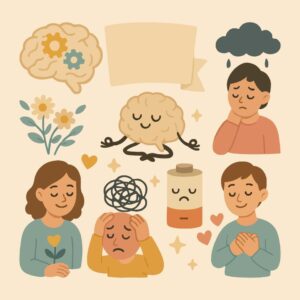
Mental health problems can be temporary or long-lasting, and their impact can vary from person to person. A psychologist, psychiatrist, counsellor, or other qualified professional can help identify underlying concerns and recommend appropriate forms of support.
Early professional support can make it easier to understand symptoms and explore suitable treatment options. Depending on individual circumstances, mental health care may involve counselling, psychotherapy, medication when clinically appropriate, lifestyle changes, or a combination of different approaches.
There is no single solution that works for everyone. Mental health support should be based on individual needs and professional assessment.
Mental Health Is Part of a Healthy Lifestyle
Mental health should not be viewed as something that only needs attention during a crisis. It is an ongoing part of overall health and well-being.
Taking care of mental health can support healthier relationships, clearer thinking, better stress management, and a more balanced approach to everyday challenges.
Most importantly, mental health deserves to be taken as seriously as physical health. Recognising concerns early, reducing stigma, maintaining healthy habits, and seeking professional support when necessary can help create a stronger foundation for long-term well-being.