High blood sugar, also known as hyperglycemia, doesn’t always cause obvious symptoms in its early stages. Many people continue with their daily lives without realizing that their blood glucose levels have been rising for weeks or even months. Because the symptoms often develop gradually, they are frequently mistaken for stress, lack of sleep, aging, or a busy lifestyle.
Unfortunately, ignoring these early warning signs can allow blood sugar levels to remain elevated for a long time, increasing the risk of developing Type 2 diabetes and its associated complications. The earlier high blood sugar is detected, the easier it is to manage through healthy lifestyle changes and appropriate medical treatment.
If you’ve noticed unusual changes in your body recently, here are ten early symptoms of high blood sugar that should never be ignored.
1. You Feel Thirsty All the Time
One of the earliest and most common signs of high blood sugar is persistent thirst.
When glucose levels rise, the kidneys work harder to remove the excess sugar through urine. This process causes the body to lose more water than usual, leaving you feeling dehydrated.
If you constantly reach for water but still feel thirsty, it’s worth discussing the symptom with a healthcare professional.
2. You’re Urinating More Frequently
Frequent trips to the bathroom, especially during the night, may be another early warning sign.
Because the kidneys filter extra glucose from the bloodstream, they also remove more water, increasing urine production.
Many people first notice that they wake up several times each night to urinate, even if this was never a problem before.
3. Constant Tiredness
Feeling exhausted after a busy day is normal, but ongoing fatigue without a clear reason may indicate high blood sugar.
Although glucose is present in the bloodstream, the body’s cells cannot use it efficiently because insulin is not working properly. As a result, your body struggles to produce enough energy.
Many people describe this as feeling tired even after getting a full night’s sleep.
4. Blurred Vision
High blood sugar can temporarily change the amount of fluid inside the eye, affecting the shape of the lens.
This may cause:
- Blurry vision
- Difficulty focusing
- Vision that changes throughout the day
Although vision often improves once blood sugar is controlled, persistent changes should always be evaluated by an eye care professional.
5. Cuts and Wounds Heal Slowly
If small cuts, blisters, or scratches take much longer than usual to heal, high blood sugar could be affecting your circulation and immune response.
Poor blood sugar control reduces the body’s ability to repair damaged tissues, making even minor injuries heal more slowly.
6. Frequent Skin or Fungal Infections
High blood sugar creates an environment where bacteria and fungi can grow more easily.
Some people experience:
- Recurring urinary tract infections
- Skin infections
- Fungal infections
- Itchy skin
- Gum infections
Repeated infections without an obvious cause should not be ignored.
7. Tingling or Numbness in Your Hands and Feet
Persistently elevated blood sugar may gradually damage nerves.
Early symptoms include:
- Tingling sensations
- Burning feelings
- Pins and needles
- Numbness in the fingers or toes
These symptoms often begin gradually and may become more noticeable at night.
8. Increased Hunger Despite Eating Normally
Many people are surprised to feel hungry shortly after eating.
Because glucose cannot enter the body’s cells effectively, the brain continues to receive signals that more energy is needed.
This can result in frequent hunger even after a satisfying meal.
9. Unexplained Weight Changes
Unexpected weight loss can occur when the body starts breaking down fat and muscle for energy because glucose is not being used efficiently.
On the other hand, some people gain weight due to insulin resistance and unhealthy eating habits.
Any unexplained weight change should be discussed with a healthcare professional.
10. Difficulty Concentrating
Many people with elevated blood sugar describe experiencing “brain fog.”
Symptoms may include:
- Difficulty focusing
- Poor concentration
- Forgetfulness
- Reduced productivity
- Mental fatigue
Stable blood sugar levels are important for maintaining normal brain function.
Why Do These Symptoms Often Go Unnoticed?
The symptoms of high blood sugar usually appear slowly rather than suddenly.
Many people assume they are experiencing:
- Stress
- Poor sleep
- Aging
- Dehydration
- Busy work schedules
Because the changes are gradual, they may not seem concerning until they begin affecting daily life.
This is one reason why routine health check-ups and blood glucose testing are so important, particularly for people with risk factors.
Who Should Be Especially Careful?
Some people have a higher likelihood of developing high blood sugar and Type 2 diabetes.
Risk factors include:
- Being overweight
- Family history of diabetes
- Physical inactivity
- High blood pressure
- High cholesterol
- Previous gestational diabetes
- Polycystic ovary syndrome (PCOS)
- Smoking
- Age over 45 years
Having these risk factors does not mean you will definitely develop diabetes, but regular screening is strongly recommended.
What Should You Do If You Notice These Symptoms?
Experiencing one symptom does not automatically mean you have diabetes.
However, if several symptoms occur together or continue for more than a few weeks, arrange an appointment with your healthcare provider.
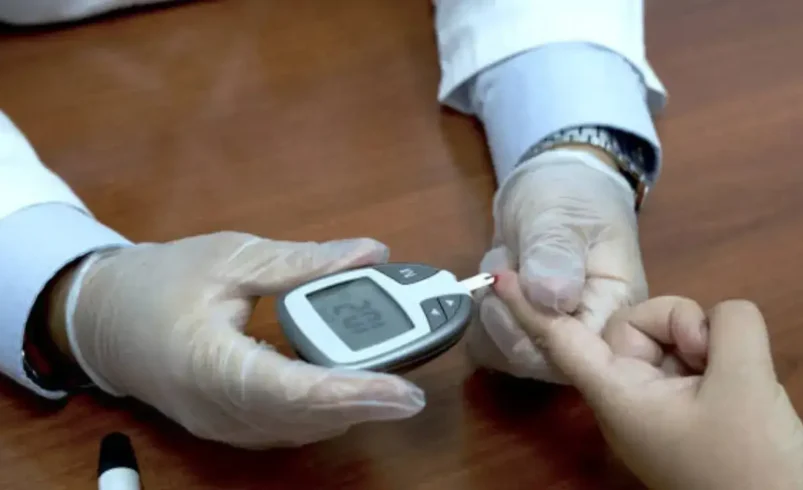
They may recommend blood tests such as:
- Fasting blood glucose
- HbA1c test
- Oral glucose tolerance test
- Random blood glucose test
Early diagnosis allows treatment to begin before complications develop.
Can High Blood Sugar Be Prevented?
In many cases, yes.
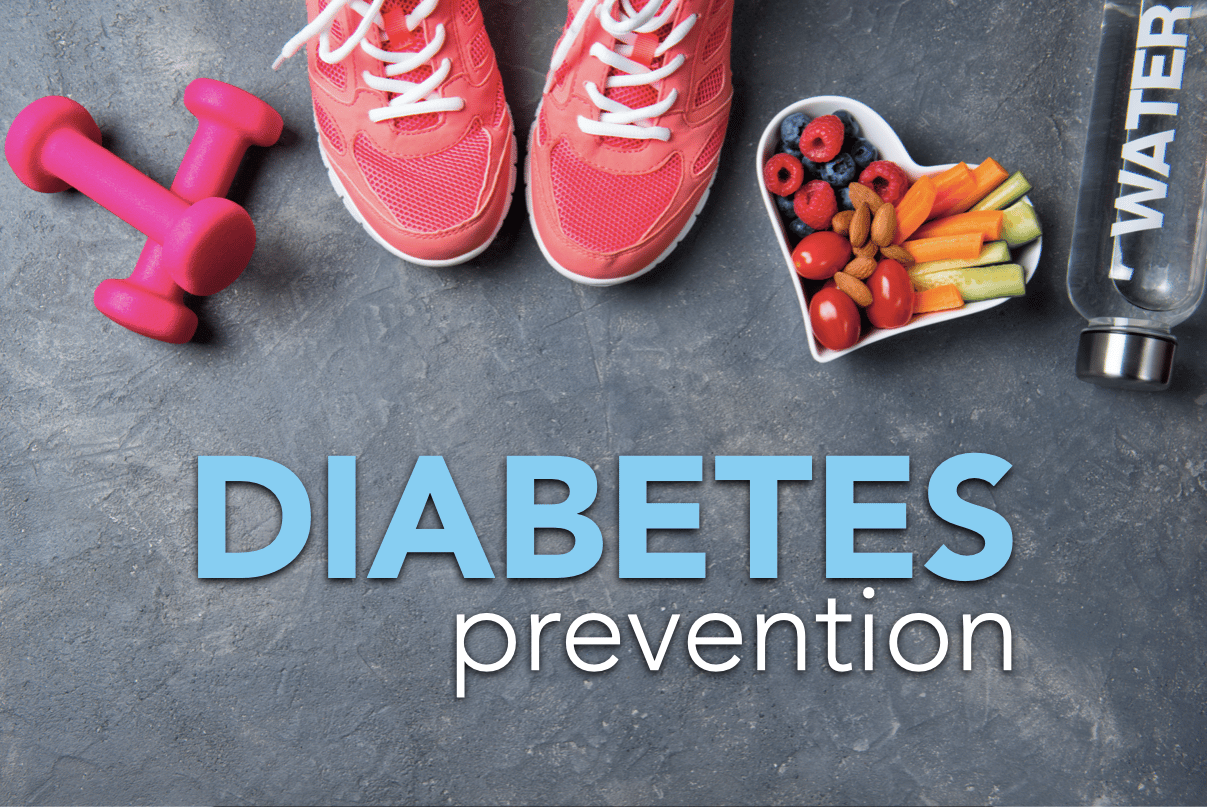
Healthy lifestyle choices can significantly reduce your risk.
Simple habits include:
- Maintaining a healthy body weight
- Exercising regularly
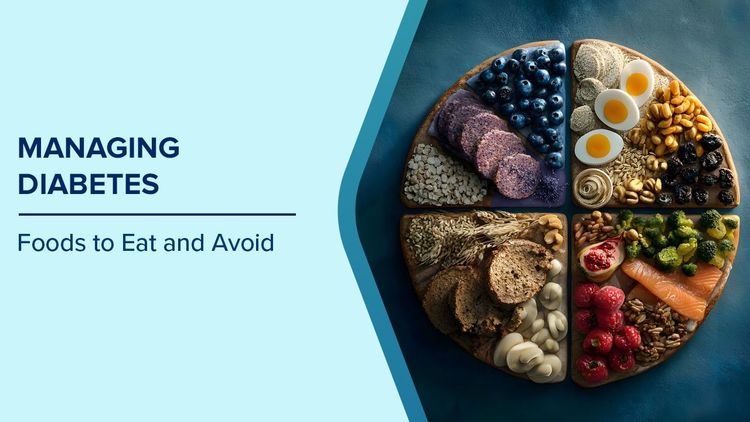
- Eating plenty of vegetables and whole grains
- Reducing sugary drinks
- Limiting processed foods
- Getting enough sleep
- Managing stress
- Avoiding smoking
- Scheduling regular health check-ups
These habits support healthy blood sugar levels and improve overall well-being.
Frequently Asked Questions
Can high blood sugar occur without diabetes?
Yes. Temporary increases in blood sugar can happen during illness, severe stress, or while taking certain medications. Persistent high blood sugar should always be evaluated by a healthcare professional.
Is thirst always caused by diabetes?
No. Thirst may also result from dehydration, hot weather, exercise, or other medical conditions. Persistent excessive thirst should not be ignored.
How often should adults have their blood sugar checked?
Adults with diabetes risk factors should discuss screening with their healthcare provider. Regular testing helps detect prediabetes and diabetes early.
Can lifestyle changes lower blood sugar?
Yes. Healthy eating, regular exercise, maintaining a healthy weight, and following medical advice can significantly improve blood sugar control for many people.
Conclusion
High blood sugar rarely develops overnight. Instead, it often sends small warning signals that are easy to dismiss until they become impossible to ignore. Persistent thirst, frequent urination, fatigue, blurred vision, slow-healing wounds, recurring infections, tingling sensations, increased hunger, unexplained weight changes, and difficulty concentrating are all symptoms that deserve attention.
Recognizing these early signs gives you the opportunity to seek medical advice before serious complications develop. Combined with regular health check-ups and healthy daily habits, early action can help protect your heart, kidneys, eyes, nerves, and overall quality of life. If you notice several of these symptoms, don’t wait—speak with a healthcare professional and take the first step toward better health.