Your heart works tirelessly every second of the day, pumping oxygen-rich blood throughout your body. When your heart isn’t functioning properly, it often sends warning signals long before a serious event like a heart attack or heart failure occurs. Unfortunately, many people ignore these symptoms or mistake them for less serious health problems.
Recognizing the early warning signs of an unhealthy heart can help you seek timely medical care and reduce the risk of life-threatening complications. Whether you have a family history of heart disease or simply want to stay informed, understanding these symptoms is an important step toward protecting your cardiovascular health.
Why Early Detection Matters
Heart disease remains one of the leading causes of death worldwide. Many heart conditions develop gradually, allowing damage to progress silently over time.
Early diagnosis can help:
- Reduce the risk of heart attacks
- Prevent heart failure
- Improve quality of life
- Reduce the need for emergency treatment
- Increase the effectiveness of treatment
Never ignore persistent or unexplained symptoms, especially if you have risk factors such as diabetes, high cholesterol, smoking, obesity, or high blood pressure.
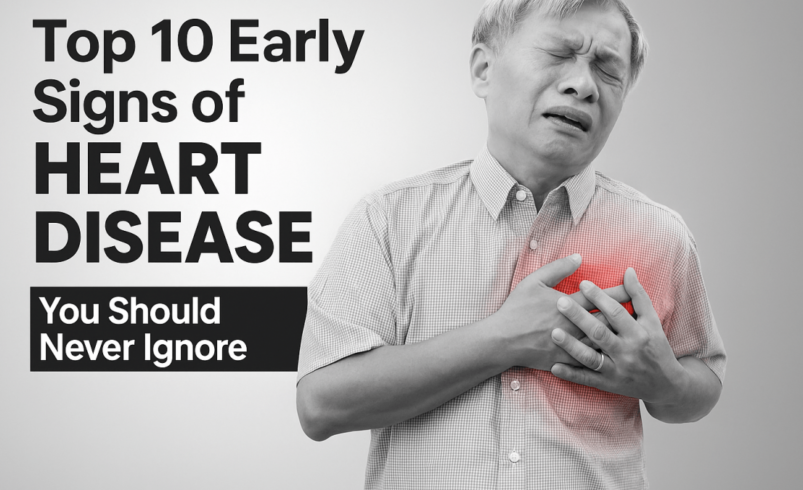
1. Chest Pain or Pressure
Chest pain is one of the best-known warning signs of heart disease.
People often describe it as:
- Pressure
- Tightness
- Squeezing
- Burning
- Heaviness
The discomfort may spread to the:
- Left arm
- Right arm
- Neck
- Jaw
- Back
- Shoulders
Although not every episode of chest pain is heart-related, any new or severe chest discomfort should be evaluated immediately.
2. Shortness of Breath
Feeling breathless during normal daily activities or while resting may indicate that your heart is struggling to pump blood efficiently.
You may notice:
- Difficulty climbing stairs
- Breathlessness while walking
- Waking up short of breath at night
- Needing extra pillows to sleep comfortably
Shortness of breath should never be ignored, particularly when accompanied by chest discomfort.
3. Unusual Fatigue
Persistent fatigue that cannot be explained by poor sleep or overwork may be an early sign of heart disease.
This is especially common in:
- Women
- Older adults
- People with heart failure
If everyday tasks suddenly become exhausting, it’s worth discussing your symptoms with a healthcare professional.
4. Irregular Heartbeat
Occasional skipped heartbeats are common, but frequent palpitations or an irregular heartbeat may indicate an underlying heart rhythm disorder.
Symptoms may include:
- Racing heartbeat
- Fluttering sensation
- Pounding heartbeat
- Feeling that the heart is skipping beats
Persistent or severe palpitations require medical evaluation.
5. Swelling in the Legs, Ankles, or Feet
When the heart cannot pump blood efficiently, fluid may accumulate in the lower limbs.
Common signs include:
- Swollen feet
- Puffy ankles
- Tight shoes
- Swollen legs
Swelling can also result from kidney or liver conditions, so proper diagnosis is essential.
6. Dizziness or Fainting
Frequent dizziness, lightheadedness, or fainting may indicate reduced blood flow to the brain.
Possible causes include:
- Heart rhythm disorders
- Heart valve disease
- Heart failure
- Low blood pressure
Repeated episodes should always be investigated.
7. Pain in the Neck, Jaw, Shoulder, or Arm
Heart-related pain isn’t always limited to the chest.
Some people experience discomfort in:
- Jaw
- Neck
- Left shoulder
- One or both arms
- Upper back
These symptoms may occur before or during a heart attack, particularly in women.
8. Persistent Cough or Wheezing
A cough that doesn’t improve, especially if it produces white or pink-tinged mucus, may be associated with heart failure.
Fluid can build up in the lungs when the heart isn’t pumping effectively.
Although respiratory illnesses are more common causes, ongoing symptoms deserve medical attention.
9. Cold Sweats
Breaking out into a cold sweat without physical activity or hot weather may be a warning sign of a heart attack.
Cold sweating accompanied by chest pain, nausea, or shortness of breath requires emergency medical care.
10. Nausea, Indigestion, or Stomach Discomfort
Some people, particularly women and older adults, experience digestive symptoms instead of typical chest pain.
Possible symptoms include:
- Nausea
- Vomiting
- Heartburn-like discomfort
- Stomach pain
- Loss of appetite
These symptoms should be evaluated if they occur alongside other warning signs of heart disease.
Who Is Most at Risk?
Your risk of heart disease increases if you:
- Have high blood pressure
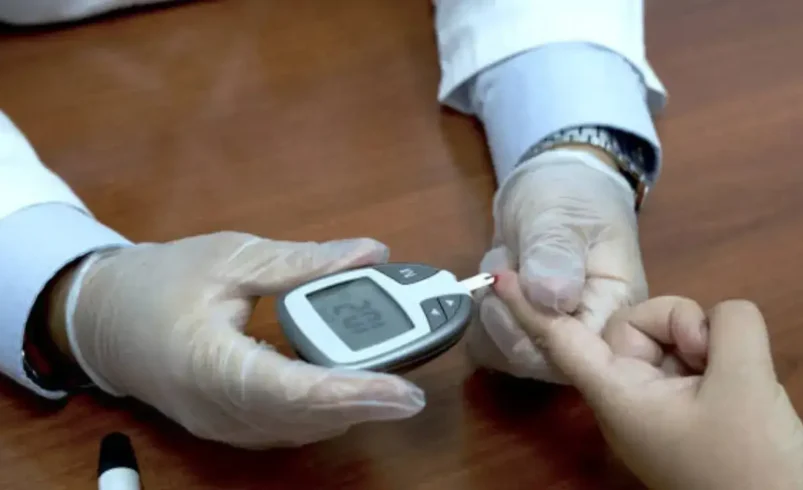
- Have diabetes
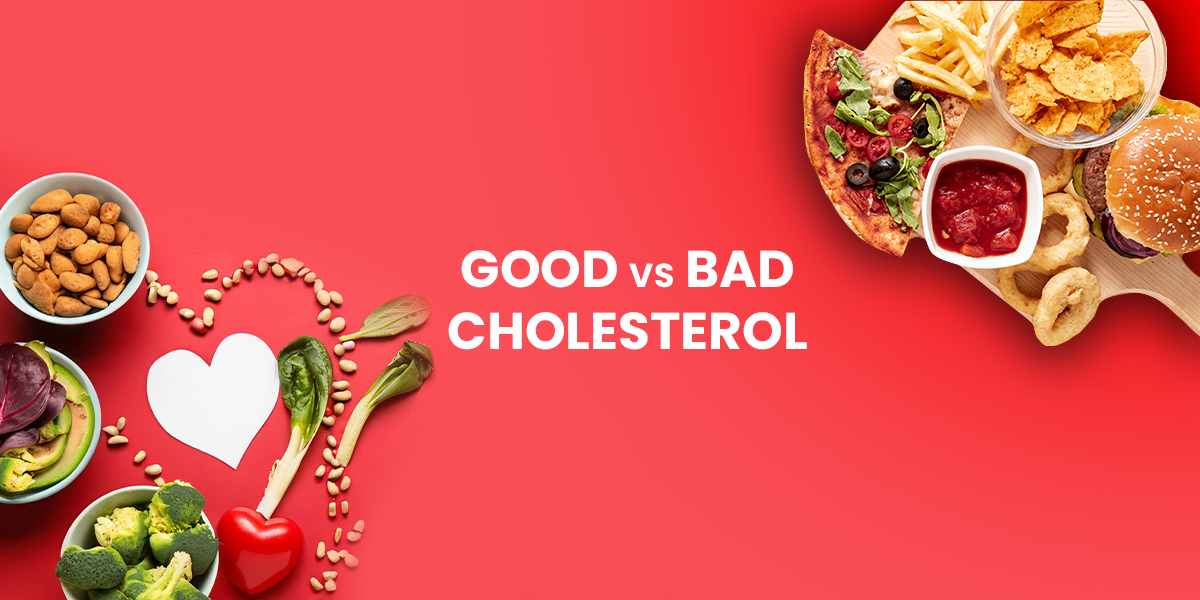
- Have high cholesterol
- Smoke or use tobacco products
- Are overweight or obese
- Exercise infrequently
- Have a family history of heart disease
- Experience chronic stress
- Are over the age of 45 for men or 55 for women
The presence of multiple risk factors further increases your likelihood of developing heart problems.
When Should You Seek Emergency Medical Care?
Call your local emergency services immediately if you experience:
- Chest pain lasting more than a few minutes
- Severe shortness of breath
- Pain spreading to the arm, jaw, or back
- Sudden collapse or loss of consciousness
- Cold sweating with chest discomfort
- Severe dizziness or fainting
Prompt treatment can significantly improve survival and reduce heart damage.
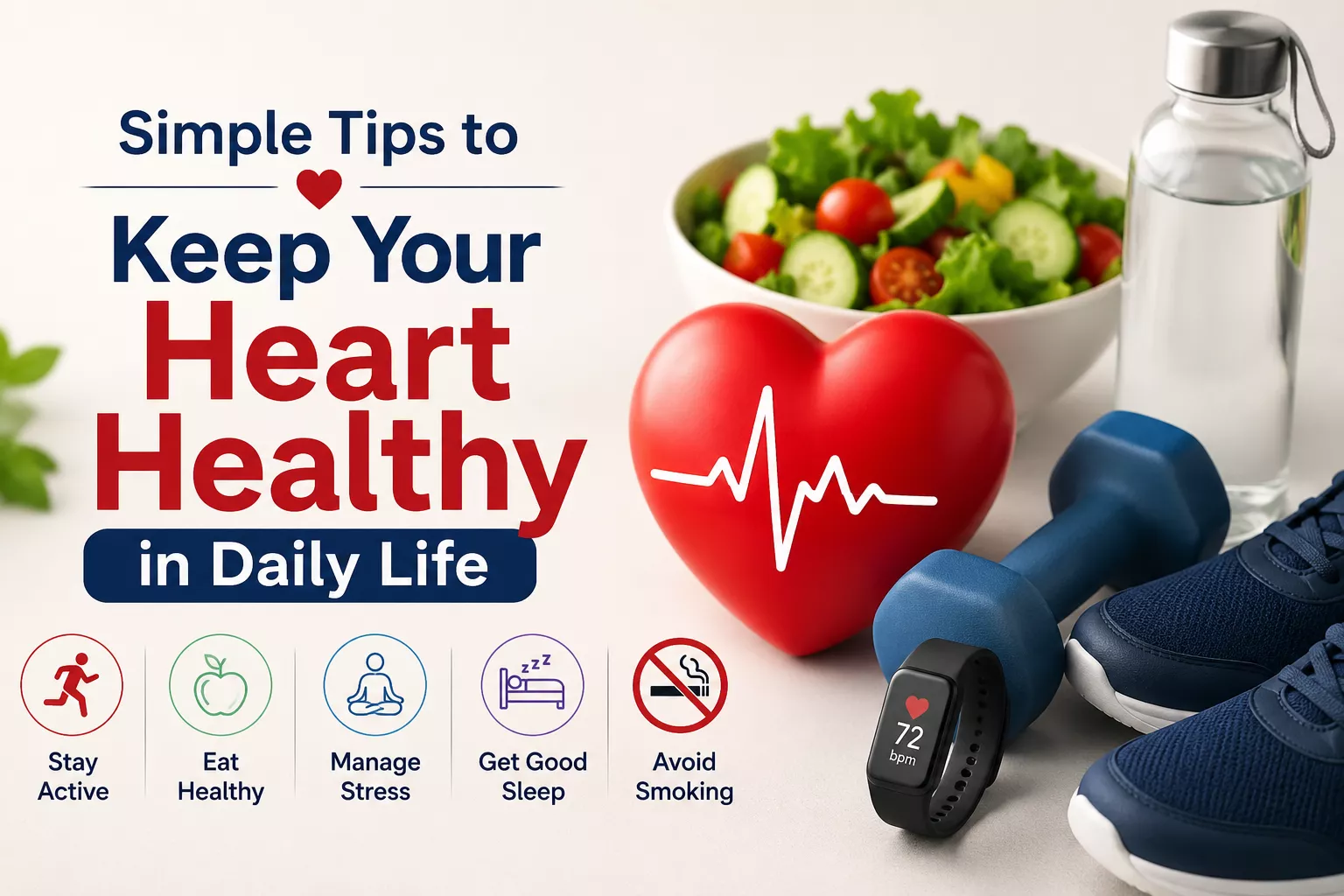
How to Protect Your Heart
Healthy lifestyle habits remain the best defense against heart disease.
Helpful steps include:
- Eat a heart-healthy diet rich in fruits, vegetables, and whole grains.
- Exercise for at least 150 minutes each week.
- Maintain a healthy weight.
- Avoid smoking and tobacco products.
- Limit alcohol intake.
- Get enough sleep each night.
- Manage stress through relaxation techniques or physical activity.
- Keep blood pressure, cholesterol, and blood sugar under control.
- Attend regular health check-ups.
Small, consistent lifestyle changes can greatly reduce your long-term risk.
Frequently Asked Questions
Can heart disease develop without symptoms?
Yes. Many heart conditions progress silently, which is why routine health screenings are important, especially for people with risk factors.
Are heart attack symptoms different in women?
Yes. Women are more likely to experience symptoms such as unusual fatigue, nausea, jaw pain, shortness of breath, or back pain rather than severe chest pain alone.
Can anxiety cause symptoms similar to heart disease?
Yes. Anxiety and panic attacks can cause chest discomfort, rapid heartbeat, and shortness of breath. However, these symptoms should never be assumed to be anxiety without medical evaluation.
Can healthy young adults develop heart disease?
Although less common, younger adults can develop heart disease due to genetics, smoking, obesity, diabetes, high cholesterol, or certain underlying medical conditions.
Conclusion
Your heart often provides warning signs before a serious cardiovascular event occurs. Symptoms such as chest pain, shortness of breath, unusual fatigue, swelling in the legs, dizziness, or an irregular heartbeat should never be ignored, particularly if you have known risk factors for heart disease.
Maintaining a healthy lifestyle, attending regular medical check-ups, and seeking prompt medical care when symptoms appear can significantly reduce the risk of heart attacks, heart failure, and other cardiovascular complications. Paying attention to your heart today is one of the most important investments you can make in your long-term health.