Type 2 diabetes is one of the fastest-growing chronic health conditions worldwide, affecting millions of adults every year. The condition develops gradually, which means many people live with high blood sugar for months—or even years—without realizing it. Because the symptoms often appear slowly, they can easily be mistaken for stress, aging, or everyday fatigue.
The encouraging news is that Type 2 diabetes can often be detected early. Recognizing the warning signs and seeking medical advice as soon as possible can help prevent serious complications affecting the heart, kidneys, eyes, and nerves.
If you have been feeling unusually tired, thirsty, or have noticed changes in your weight or vision, this guide explains the signs you should never ignore.
What Is Type 2 Diabetes?
Type 2 diabetes is a long-term condition that affects how the body uses glucose, commonly known as blood sugar.
Normally, the hormone insulin helps move glucose from the bloodstream into the body’s cells, where it is used for energy. In people with Type 2 diabetes, the body becomes resistant to insulin or does not produce enough of it. As a result, glucose builds up in the blood instead of being used efficiently.
Over time, consistently high blood sugar can damage blood vessels and organs if left untreated.
Who Is Most at Risk?
Although anyone can develop Type 2 diabetes, certain factors increase the risk.
These include:
- Being overweight or obese
- Having a family history of diabetes
- Being physically inactive
- Increasing age
- High blood pressure
- High cholesterol levels
- Previous gestational diabetes during pregnancy
- Polycystic ovary syndrome (PCOS)
- Smoking
- An unhealthy diet high in processed foods and sugary drinks
Having one or more risk factors does not guarantee that you will develop diabetes, but it does increase the importance of regular health check-ups.
Early Warning Signs of Type 2 Diabetes
The symptoms usually develop gradually and may be mild at first.
Here are some of the most common warning signs.
1. Feeling Extremely Thirsty
One of the earliest symptoms is excessive thirst. High blood sugar causes the kidneys to work harder to remove excess glucose through urine, leading to increased fluid loss.
2. Frequent Urination
If you find yourself waking up several times during the night to use the bathroom or urinating more often than usual during the day, it could be a sign of elevated blood sugar.
3. Constant Fatigue
Many people with undiagnosed diabetes feel tired even after getting enough sleep. Because glucose cannot enter the cells efficiently, the body struggles to produce enough energy.
4. Blurred Vision
High blood sugar can temporarily affect the shape of the eye’s lens, leading to blurred or fluctuating vision.
5. Slow-Healing Cuts and Wounds
If small cuts, scratches, or bruises take longer than usual to heal, poor blood sugar control may be affecting circulation and the body’s healing process.
6. Frequent Infections
Recurring skin infections, urinary tract infections, or fungal infections may sometimes be linked to high blood sugar.
7. Unexplained Weight Loss
Although more common in Type 1 diabetes, some people with Type 2 diabetes lose weight without trying because the body begins using muscle and fat for energy.
8. Tingling or Numbness in the Hands and Feet
Persistently high blood sugar can gradually damage nerves, causing tingling, burning sensations, or numbness in the extremities.
Could These Symptoms Be Something Else?
Many of these symptoms can also occur due to other medical conditions.
For example:
- Fatigue may result from poor sleep, anemia, or stress.
- Frequent urination can be caused by urinary tract infections or certain medications.
- Weight changes may be linked to thyroid disorders.
- Blurred vision may have several eye-related causes.
This is why symptoms alone cannot confirm diabetes. Proper medical testing is always necessary.
How Is Type 2 Diabetes Diagnosed?
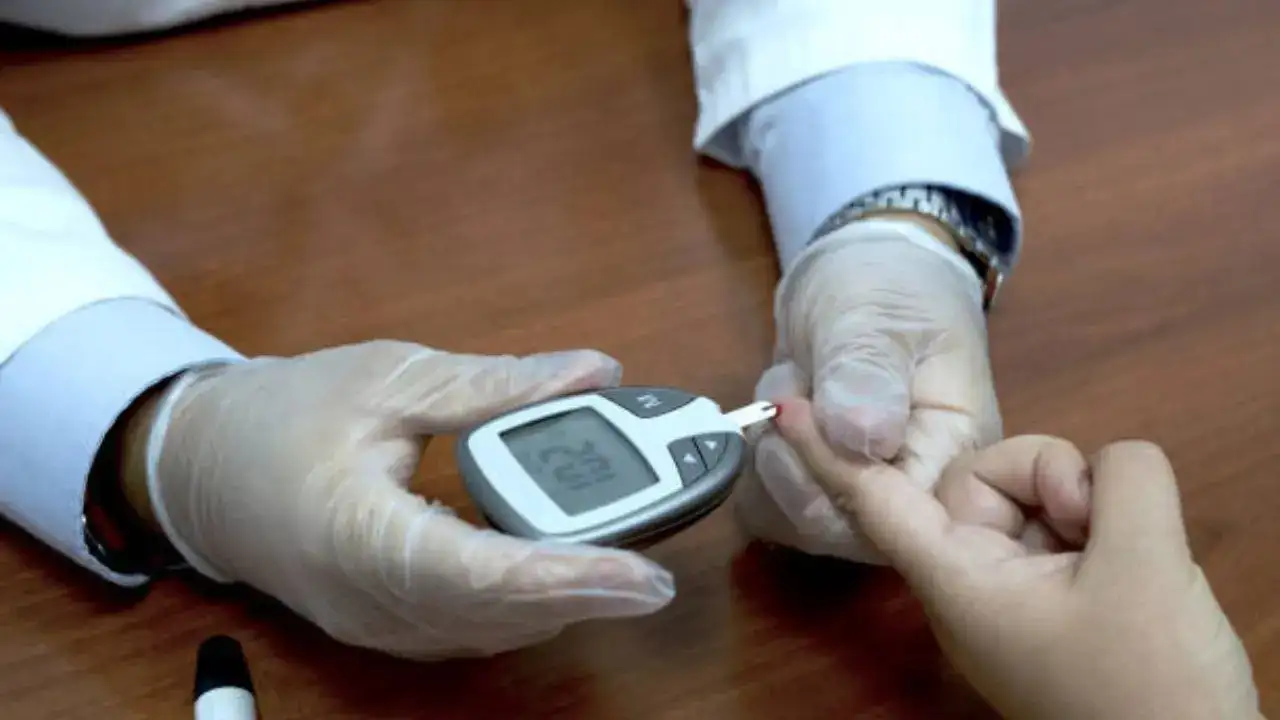
If diabetes is suspected, a healthcare professional may recommend one or more blood tests.
Common diagnostic tests include:
- Fasting blood glucose test
- HbA1c (glycated hemoglobin) test
- Oral glucose tolerance test
- Random blood glucose test
These tests measure blood sugar levels and help determine whether diabetes or prediabetes is present.
What Happens If Diabetes Is Left Untreated?
Ignoring the early signs of diabetes can lead to long-term health complications.
Poorly controlled blood sugar may increase the risk of:
- Heart disease
- Stroke
- Kidney disease
- Nerve damage
- Vision loss
- Foot problems
- Poor wound healing
The earlier diabetes is diagnosed, the easier it is to reduce the risk of these complications through healthy lifestyle changes and appropriate medical care.
Can Type 2 Diabetes Be Prevented?
In many cases, yes.
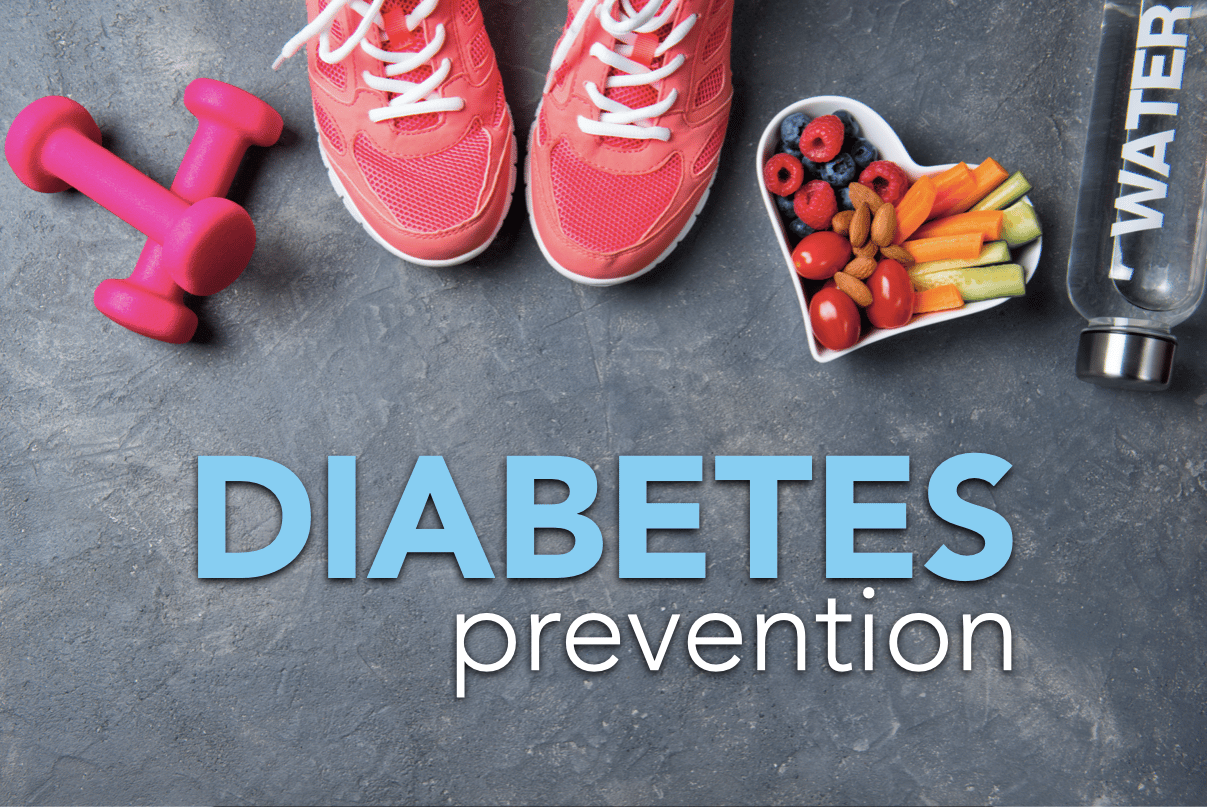
Healthy daily habits can significantly lower the risk.
Simple steps include:
- Maintaining a healthy body weight
- Eating a balanced diet rich in vegetables, fruits, whole grains, and lean protein
- Limiting sugary drinks and highly processed foods
- Exercising for at least 150 minutes each week
- Getting enough sleep
- Managing stress effectively
- Avoiding smoking
- Having regular health screenings if you have risk factors
Even small lifestyle improvements can have a meaningful impact over time.
When Should You See a Doctor?
Do not ignore symptoms that continue for several weeks.
Arrange a medical appointment if you experience:
- Persistent thirst
- Frequent urination
- Ongoing fatigue
- Blurred vision
- Slow-healing wounds
- Unexplained weight loss
- Recurrent infections
Early diagnosis allows treatment to begin before serious complications develop.
Frequently Asked Questions
Can young adults develop Type 2 diabetes?
Yes. Although the condition is more common in older adults, increasing rates of obesity and sedentary lifestyles have led to more cases among younger adults and even teenagers.
Is Type 2 diabetes curable?
There is currently no permanent cure, but many people successfully manage the condition through healthy eating, regular exercise, weight management, and prescribed medications. Some individuals may achieve remission under medical supervision.
Does eating too much sugar directly cause diabetes?
No. Diabetes develops due to a combination of genetic, lifestyle, and metabolic factors. However, regularly consuming large amounts of sugary foods and drinks can contribute to weight gain, which increases the risk.
Should I check my blood sugar at home?
People with risk factors or symptoms should first speak with a healthcare professional. Home glucose monitoring may be recommended depending on individual circumstances.
Conclusion
Type 2 diabetes often develops quietly, making it easy to overlook the early warning signs. Symptoms such as excessive thirst, frequent urination, constant fatigue, blurred vision, and slow-healing wounds should never be ignored, especially if they persist or occur together.
The good news is that early diagnosis can make a significant difference. Through regular health check-ups, healthy lifestyle choices, and timely medical care, many people can successfully manage Type 2 diabetes and reduce their risk of serious complications. If you recognize any of the symptoms discussed in this article, consider speaking with a healthcare professional for proper evaluation and testing. Early action today can help protect your health for years to come.