Prediabetes is often described as the “warning stage” before Type 2 diabetes develops. It means your blood sugar levels are higher than normal but not yet high enough to be diagnosed as diabetes. Many people are surprised to learn they have prediabetes because it usually causes no obvious symptoms.
The good news is that prediabetes doesn’t have to progress to Type 2 diabetes. In many cases, healthy lifestyle changes can lower blood sugar levels and even return them to a normal range. The earlier prediabetes is detected, the greater the chance of preventing future health complications.
If you’ve recently been told you have prediabetes or you’re concerned about your risk, this guide explains everything you need to know—from causes and diagnosis to practical steps you can take to protect your health.
What Is Prediabetes?
Prediabetes is a condition where blood glucose levels are consistently higher than normal but still below the threshold for Type 2 diabetes.
This happens because the body begins to develop insulin resistance, meaning insulin becomes less effective at moving glucose from the bloodstream into the body’s cells.
To compensate, the pancreas produces more insulin. Over time, however, it may struggle to keep up, allowing blood sugar levels to continue rising.
Without intervention, many people with prediabetes eventually develop Type 2 diabetes.
Why Is Prediabetes Often Missed?
One of the biggest challenges is that prediabetes rarely causes noticeable symptoms.
Most people feel completely healthy, which is why many cases are discovered during routine blood tests or health check-ups.
In some cases, subtle signs may include:
- Feeling tired more often
- Increased thirst
- Slightly more frequent urination
- Gradual weight gain
- Darkened patches of skin around the neck or underarms (acanthosis nigricans)
However, many individuals experience no symptoms at all.
Who Is Most at Risk?
Certain factors increase the likelihood of developing prediabetes.
These include:
- Being overweight or obese
- Lack of regular physical activity
- A family history of Type 2 diabetes
- High blood pressure
- High cholesterol
- Being over 45 years of age
- Previous gestational diabetes
- Polycystic ovary syndrome (PCOS)
- Smoking
- Poor dietary habits
Having one or more risk factors doesn’t guarantee you’ll develop prediabetes, but it does mean regular screening is especially important.
How Is Prediabetes Diagnosed?
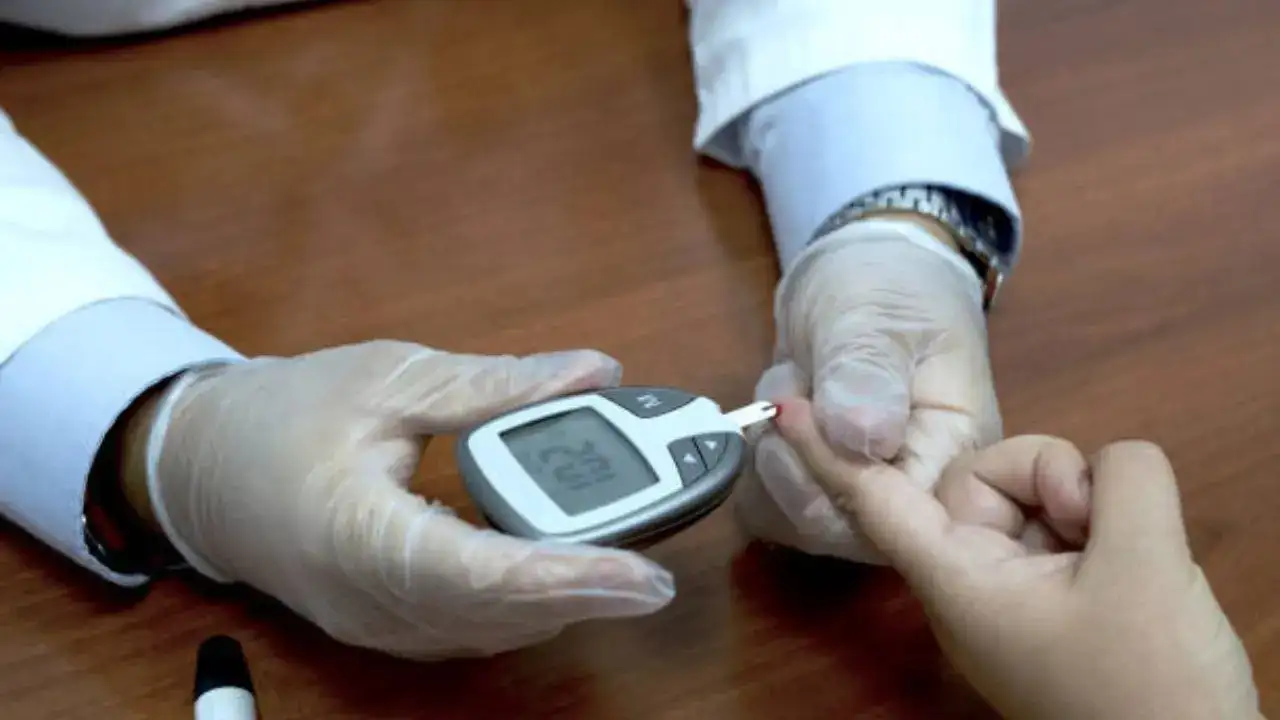
Prediabetes can only be confirmed through blood tests.
Healthcare providers commonly use:
HbA1c Test
This measures your average blood sugar over the previous two to three months.
Fasting Blood Glucose Test
Blood sugar is measured after fasting for at least eight hours.
Oral Glucose Tolerance Test
This measures how well your body processes glucose after drinking a sugary solution.
Your healthcare provider will interpret the results and explain whether your blood sugar is normal, in the prediabetes range, or indicates diabetes.
Why Should You Take Prediabetes Seriously?
Because symptoms are often absent, some people believe prediabetes isn’t a significant health concern.
However, elevated blood sugar can begin affecting the body long before diabetes is diagnosed.
Prediabetes increases the risk of:
- Type 2 diabetes
- Heart disease
- Stroke
- High blood pressure
- Kidney disease
- Fatty liver disease
Taking action early may significantly reduce these risks.
Can Prediabetes Be Reversed?
For many people, yes.
Unlike Type 2 diabetes, prediabetes can often be reversed through consistent lifestyle improvements.
The goal is to improve insulin sensitivity and lower blood sugar levels naturally.
Although everyone’s situation is different, many individuals successfully return to healthy blood sugar levels with long-term lifestyle changes.
Lifestyle Changes That Can Make a Difference
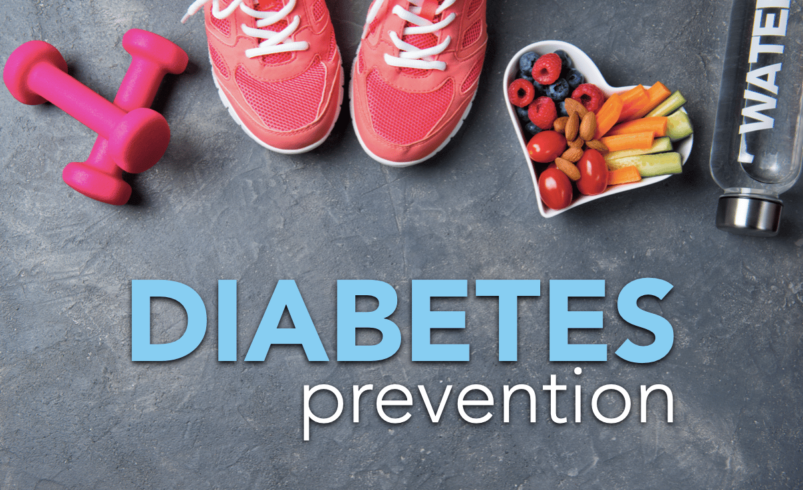
Small improvements made consistently are often more effective than extreme diets or short-term fitness programs.
Maintain a Healthy Weight
Even modest weight loss can improve insulin sensitivity and reduce blood sugar levels.
Choose a Balanced Diet
Focus on:
- Vegetables
- Fruits
- Whole grains
- Lean protein
- Healthy fats
- High-fibre foods
Reduce intake of sugary drinks, processed snacks, refined carbohydrates, and excessive fast food.
Stay Physically Active
Aim for at least 150 minutes of moderate physical activity each week.
Walking, cycling, swimming, and strength training are all excellent options.
Get Enough Sleep
Poor sleep may increase insulin resistance and make blood sugar more difficult to control.
Most adults should aim for 7–9 hours of quality sleep each night.
Manage Stress
Long-term stress can affect hormones that influence blood sugar.
Helpful stress-management techniques include:
- Walking outdoors
- Meditation
- Deep breathing exercises
- Yoga
- Spending time with family and friends
Should You Take Medication?
Not everyone with prediabetes requires medication.
For many people, healthy eating, regular exercise, and weight management are enough to improve blood sugar levels.
However, individuals with a higher risk of developing diabetes may be advised by their healthcare provider to consider medication alongside lifestyle changes.
Treatment decisions should always be made with medical guidance.
How Often Should You Check Your Blood Sugar?
If you’ve been diagnosed with prediabetes, your healthcare provider may recommend repeating blood tests every 6 to 12 months to monitor your progress.
Regular monitoring helps determine whether lifestyle changes are working and whether additional treatment is needed.
Frequently Asked Questions
Does everyone with prediabetes develop Type 2 diabetes?
No. Many people successfully prevent or delay Type 2 diabetes by making healthy lifestyle changes.
Can young adults develop prediabetes?
Yes. Although it is more common with increasing age, younger adults and even teenagers can develop prediabetes, particularly if they have obesity or a family history of diabetes.
Is prediabetes permanent?
Not necessarily. Many people return their blood sugar to normal through long-term improvements in diet, physical activity, and weight management.
Can I eat carbohydrates if I have prediabetes?
Yes. The focus should be on choosing healthier carbohydrates such as whole grains, legumes, vegetables, and fruits while limiting refined sugars and highly processed foods.
Conclusion
Prediabetes is an early warning sign that should never be ignored, but it is also an opportunity to take control of your health before Type 2 diabetes develops. Because the condition often causes few or no symptoms, regular health screenings are essential, especially for people with known risk factors.
The encouraging news is that healthy eating, regular physical activity, weight management, quality sleep, and routine medical check-ups can significantly reduce the risk of progression to Type 2 diabetes. Small, sustainable lifestyle changes made today can lead to long-term improvements in blood sugar control and overall health, helping you protect your heart, kidneys, and future well-being.