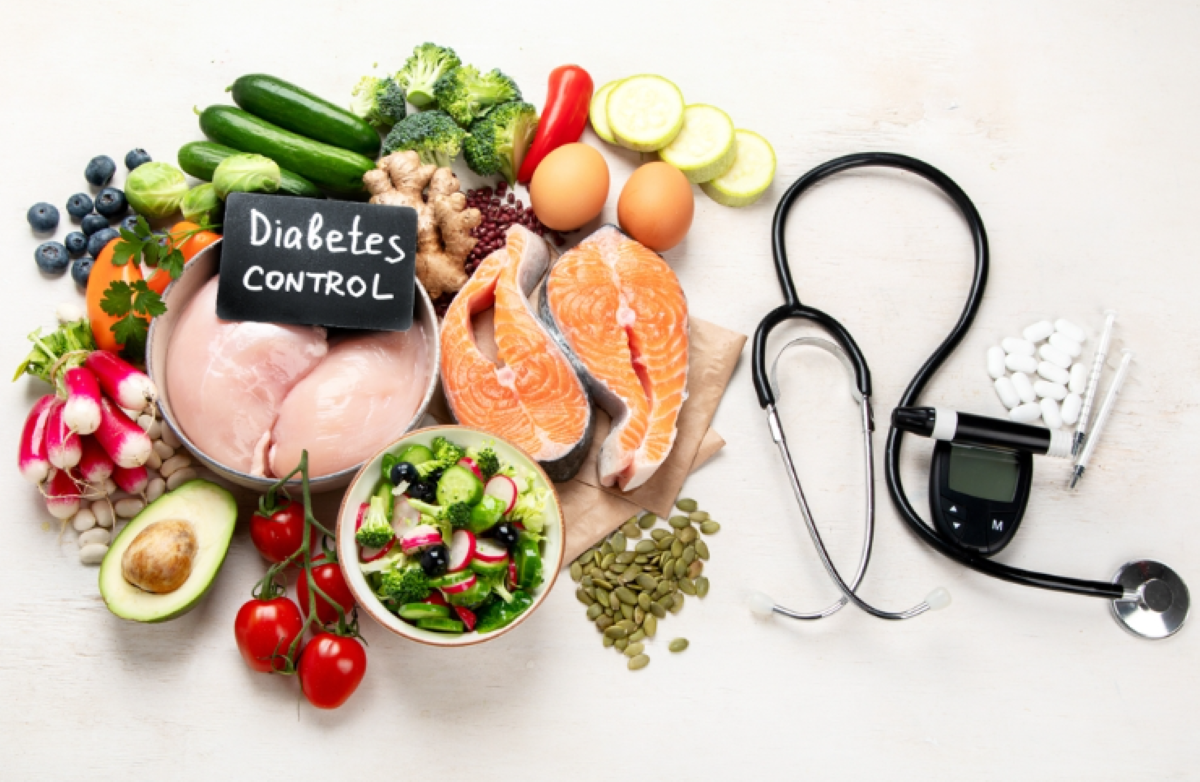
A Beginner’s Guide to the Best Foods for Managing Diabetes
- June 19, 2026
- 0
Being diagnosed with diabetes doesn’t mean you have to give up your favorite foods or follow a restrictive diet forever. In fact, one of the most effective ways

Being diagnosed with diabetes doesn’t mean you have to give up your favorite foods or follow a restrictive diet forever. In fact, one of the most effective ways
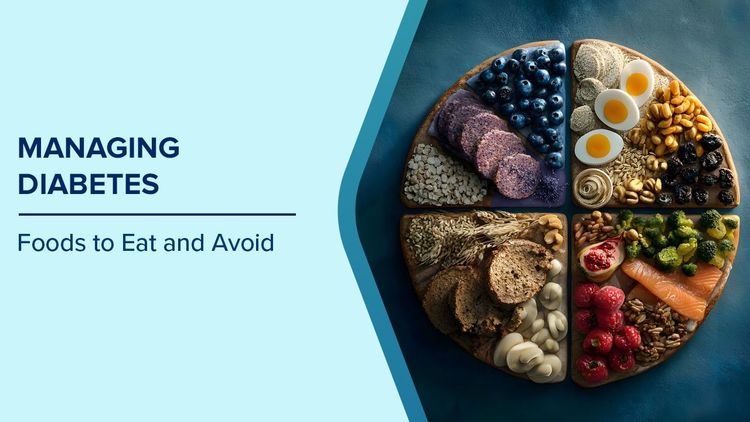
Being diagnosed with diabetes doesn’t mean you have to give up your favorite foods or follow a restrictive diet forever. In fact, one of the most effective ways to manage blood sugar is by making balanced, sustainable food choices rather than following short-term diet trends.
A healthy diabetes meal plan focuses on nutrient-rich foods that provide steady energy, support heart health, and help prevent sudden spikes in blood sugar. Combined with regular physical activity and medical treatment when needed, healthy eating plays a major role in managing both Type 1 and Type 2 diabetes.
If you’re unsure what to put on your plate, this beginner-friendly guide explains the best foods to include in a diabetes-friendly diet and why they matter.
Every meal affects your blood sugar levels.
Carbohydrates are broken down into glucose, which enters the bloodstream. While carbohydrates are an important source of energy, choosing the right types and eating balanced portions can help prevent large fluctuations in blood sugar.
A balanced diet can help:
Healthy eating is one of the most powerful tools for long-term diabetes management.
Vegetables should make up a significant portion of every meal.
They are naturally low in calories and carbohydrates while providing vitamins, minerals, antioxidants, and fiber.
Excellent choices include:
Aim to fill at least half of your plate with non-starchy vegetables whenever possible.
Unlike refined grains, whole grains contain more fiber, which slows the absorption of glucose into the bloodstream.
Healthier options include:
Choosing whole grains instead of refined carbohydrates may help improve blood sugar control.
Protein helps you stay full longer and supports muscle health.
Good choices include:
Including protein in each meal can also help reduce blood sugar spikes after eating.
Not all fats are unhealthy.
Unsaturated fats support heart health, which is particularly important because people with diabetes have a higher risk of cardiovascular disease.
Healthy fat sources include:
Even healthy fats should be eaten in moderation because they are calorie-dense.
Many people mistakenly believe they should completely avoid fruit after being diagnosed with diabetes.
In reality, whole fruits provide vitamins, minerals, antioxidants, and fiber.
Better choices include:
Choose whole fruit instead of fruit juice whenever possible, as juice can raise blood sugar more quickly.
Beans, lentils, and peas are excellent foods for people with diabetes.
They are rich in:
Because they digest more slowly, legumes can help support steadier blood sugar levels.
If you consume dairy, choose lower-fat options with little or no added sugar.
Examples include:
These foods provide calcium and protein while fitting into a balanced meal plan.
No food needs to be completely banned, but some foods should be eaten less often because they can cause rapid increases in blood sugar or contribute to weight gain.
Try to limit:
Enjoying these foods occasionally is usually more realistic than trying to eliminate them entirely.
A simple way to plan meals is to use the healthy plate method.
Fill your plate with:
Complete the meal with water or another sugar-free beverage.
This balanced approach helps support stable blood sugar while providing a wide range of nutrients.
Even healthy foods can affect blood sugar if eaten in very large amounts.
Pay attention to:
Eating regular meals rather than skipping meals can also help maintain more consistent blood sugar levels.
Water is the best drink for most people with diabetes.
Aim to drink enough fluids throughout the day and limit beverages containing added sugar.
Better drink choices include:
Good hydration supports overall health and helps the body function efficiently.
Yes. Potatoes can be included in moderation as part of a balanced meal. Portion size and preparation method matter, with boiled or baked potatoes generally being healthier than fried options.
No. Whole fruits provide important nutrients and fiber. The key is choosing whole fruits instead of fruit juice and being mindful of portion sizes.
No. Carbohydrates are an important source of energy. Choosing high-fiber, minimally processed carbohydrates is generally a healthier approach than eliminating them entirely.
Healthy eating is a cornerstone of diabetes management, but it should not replace prescribed medication unless advised by your healthcare provider.
Managing diabetes begins with making informed food choices, not following extreme diets or cutting out entire food groups. A balanced diet rich in vegetables, whole grains, lean proteins, healthy fats, legumes, and whole fruits can help support stable blood sugar levels while improving overall health.
Remember that no single food can cure diabetes, but consistent healthy eating habits can make a significant difference over time. Combined with regular physical activity, routine medical care, and monitoring your blood sugar when recommended, a nutritious diet can help you live well and reduce the risk of long-term complications.