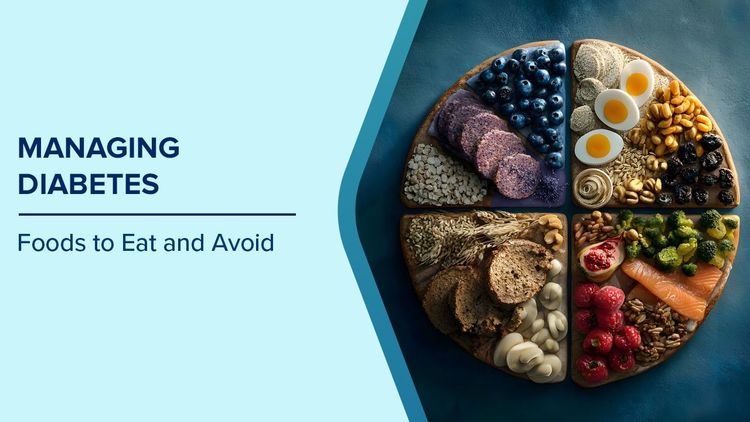
12 Foods People With Diabetes Should Limit or Avoid
- July 1, 2026
- 0
Managing diabetes isn’t about eliminating every food you enjoy—it’s about making informed choices that help keep your blood sugar within a healthy range. While many foods can fit

Managing diabetes isn’t about eliminating every food you enjoy—it’s about making informed choices that help keep your blood sugar within a healthy range. While many foods can fit

Managing diabetes isn’t about eliminating every food you enjoy—it’s about making informed choices that help keep your blood sugar within a healthy range. While many foods can fit into a balanced diabetes meal plan, some are more likely to cause rapid spikes in blood glucose or contribute to weight gain and heart disease.
Understanding which foods to limit can make it easier to build healthy eating habits that support long-term diabetes management. The goal isn’t perfection but consistency. Occasional treats are usually fine for many people when enjoyed in moderation as part of an overall balanced diet.
Here are twelve foods that people with diabetes should consider limiting and healthier alternatives that can support better blood sugar control.
Regular soft drinks are one of the biggest sources of added sugar in many diets.
Because they contain large amounts of rapidly absorbed sugar without fiber or protein, they can cause blood glucose levels to rise quickly.
Healthier alternatives include:
Although fruit juice contains vitamins, it lacks the fiber found in whole fruit.
Without fiber, natural sugars are absorbed much more quickly, which may lead to sharp increases in blood sugar.
Choosing whole fruits instead provides more fiber and helps you feel fuller for longer.
White bread is made from refined flour, which is digested quickly.
This can lead to faster increases in blood sugar compared with whole-grain options.
A healthier choice is:
White rice has a higher glycemic impact than many whole grains.
Replacing it occasionally with foods such as:
may help improve blood sugar management.
These baked goods often contain large amounts of:
Regular consumption may contribute to weight gain and poor blood sugar control.
Save these treats for special occasions rather than everyday snacks.
Hard candies, chocolates with high sugar content, gummies, and other sweets provide little nutritional value while causing rapid increases in blood glucose.
If you’re craving something sweet, consider:
Many breakfast cereals marketed to children and adults contain surprisingly high amounts of added sugar.
Instead, choose:
Always read the nutrition label before buying packaged cereals.
Fried chicken, chips, fries, and other deep-fried foods are often high in unhealthy fats and calories.
Eating these foods regularly may increase the risk of:
Whenever possible, choose grilled, baked, steamed, or air-fried alternatives.
Foods such as:
often contain high amounts of sodium and saturated fat.
Frequent consumption has been linked to an increased risk of cardiovascular disease, which is already more common in people with diabetes.
Lean poultry, fish, beans, and lentils are healthier protein choices.
Many café-style coffees contain flavored syrups, whipped cream, and added sugar.
A single drink may contain as much sugar as a dessert.
Better options include:
Ice cream combines sugar and saturated fat, making it a food best enjoyed occasionally.
If you want a frozen treat, consider:
Portion size is just as important as the type of dessert.
Packaged snacks such as crisps, crackers, sugary biscuits, and packaged pastries are often high in refined carbohydrates, unhealthy fats, and added salt.
Instead, try healthier snacks like:
These options provide more nutrients and help keep you satisfied between meals.
Not necessarily.
For many people, diabetes management is about moderation rather than complete restriction.
Completely banning favorite foods can make healthy eating difficult to maintain over time.
Instead:
Speak with your healthcare provider or a registered dietitian if you need personalized dietary advice.
Making healthy choices often starts before you get home.
When shopping:
Small shopping habits can have a big impact on your overall diet.
Living with diabetes doesn’t mean your meals have to be boring.
Aim to build meals around:
A balanced diet is easier to maintain than an overly restrictive one and supports both blood sugar management and overall health.
Yes. Sweets can usually be enjoyed occasionally and in moderation as part of a balanced meal plan. Portion control is key.
No. White rice can still be eaten, but choosing smaller portions and pairing it with vegetables and lean protein may help reduce blood sugar spikes.
Many approved artificial sweeteners are considered safe when consumed within recommended limits. If you have concerns, discuss them with your healthcare provider.
Absolutely. Choosing grilled dishes, vegetables, whole grains, and watching portion sizes can help you enjoy restaurant meals while managing diabetes.
Managing diabetes is not about giving up every food you enjoy—it’s about understanding how different foods affect your blood sugar and making healthier choices more often. Sugary drinks, refined carbohydrates, fried foods, processed meats, and heavily processed snacks are best limited because they can contribute to blood sugar spikes and increase the risk of long-term health complications.
Instead of focusing on restrictions, build your diet around nutrient-rich foods such as vegetables, whole grains, lean proteins, legumes, healthy fats, and whole fruits. Combined with regular physical activity, routine health check-ups, and following your healthcare provider’s advice, these simple dietary changes can help you maintain healthier blood sugar levels and improve your overall well-being.