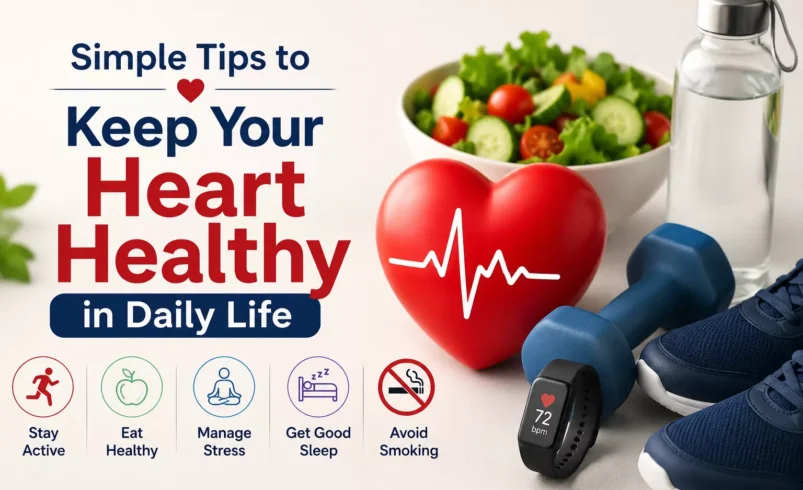
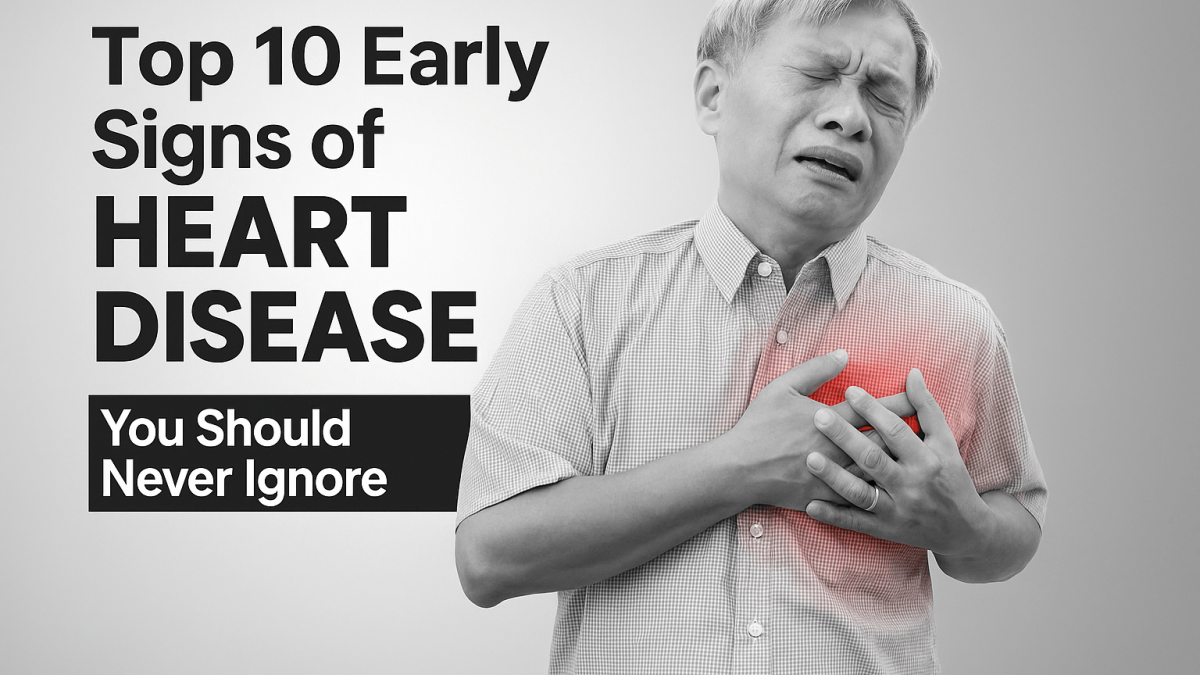
Your heart beats around 100,000 times every day, supplying oxygen and nutrients to every part of your body. Keeping your heart healthy isn’t about making one major lifestyle change—it’s about consistently following healthy habits that protect your cardiovascular system over time.
Heart disease remains one of the leading causes of death worldwide, but many cases are preventable. Eating well, staying active, managing stress, and attending regular health check-ups can significantly lower your risk of heart attacks, strokes, and other cardiovascular conditions.
Whether you’re in your twenties or your seventies, these daily habits can help you maintain a strong and healthy heart.
Why Heart Health Matters
A healthy heart allows your body to function efficiently by pumping blood, delivering oxygen, and supporting every organ.
Protecting your heart can help:
- Reduce the risk of heart disease
- Lower blood pressure
- Improve cholesterol levels
- Increase energy
- Support brain health
- Improve overall quality of life
- Promote healthy aging
Small improvements made consistently often produce lasting health benefits.
1. Eat More Fruits and Vegetables
Fruits and vegetables are rich in vitamins, minerals, fiber, and antioxidants that support heart health.
Aim to include a variety of colorful produce every day, such as:
- Leafy greens
- Berries
- Tomatoes
- Carrots
- Broccoli
- Citrus fruits
These foods may help lower blood pressure and reduce inflammation.
2. Choose Whole Grains
Replace refined grains with healthier options like:
- Oats
- Brown rice
- Whole wheat bread
- Quinoa
- Barley
Whole grains provide fiber that supports healthy cholesterol levels and digestive health.
3. Include Heart-Healthy Proteins
Choose lean protein sources such as:
- Fish
- Skinless poultry
- Beans
- Lentils
- Chickpeas
- Tofu
- Eggs in moderation
Fatty fish like salmon, sardines, and mackerel provide omega-3 fatty acids that support cardiovascular health.
4. Stay Physically Active
Regular exercise strengthens the heart and improves circulation.
Aim for at least 150 minutes of moderate-intensity exercise each week.
Good options include:
- Walking
- Cycling
- Swimming
- Dancing
- Jogging
- Strength training
Even short walks throughout the day contribute to better heart health.
5. Maintain a Healthy Weight
Carrying excess body weight increases the risk of:
- Heart disease
- High blood pressure
- Type 2 diabetes
- High cholesterol
Losing even a modest amount of excess weight can improve cardiovascular health.
6. Limit Salt Intake
Too much sodium may contribute to high blood pressure.
Reduce salt by:
- Cooking more meals at home
- Reading nutrition labels
- Limiting processed foods
- Choosing fresh ingredients whenever possible
Flavor foods with herbs and spices instead of extra salt.
7. Cut Back on Added Sugar
Frequent consumption of sugary foods and beverages can contribute to obesity, diabetes, and heart disease.
Limit:
- Soft drinks
- Energy drinks
- Candy
- Cakes
- Sweetened breakfast cereals
- Packaged desserts
Choose water or unsweetened beverages whenever possible.
8. Don’t Smoke
Smoking damages blood vessels, reduces oxygen levels, and greatly increases the risk of heart attacks and strokes.
Quitting smoking offers immediate and long-term health benefits regardless of your age.
9. Limit Alcohol Consumption
Excessive alcohol can raise blood pressure and increase the risk of heart disease.
If you drink alcohol, do so in moderation and follow your healthcare provider’s advice.
10. Get Enough Sleep
Adults generally need 7–9 hours of quality sleep each night.
Poor sleep may increase the risk of:
- High blood pressure
- Obesity
- Diabetes
- Heart disease
Establishing a consistent sleep routine supports both heart and overall health.
11. Manage Stress
Long-term stress can negatively affect heart health.
Healthy ways to manage stress include:
- Meditation
- Deep breathing exercises
- Yoga
- Spending time outdoors
- Reading
- Listening to music
- Talking with family or friends
Finding healthy coping strategies benefits both your mind and heart.
12. Know Your Blood Pressure
High blood pressure often develops without symptoms.
Regular monitoring allows early detection and treatment before complications occur.
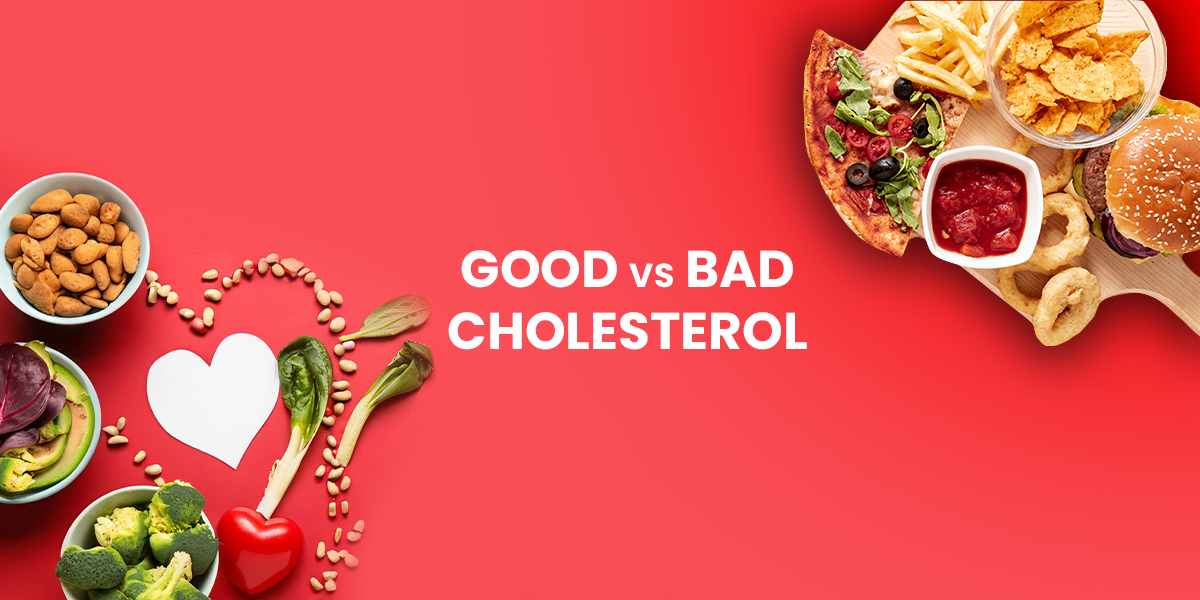
13. Keep Cholesterol Under Control
High cholesterol can cause plaque buildup inside arteries, increasing the risk of heart attacks and strokes.
Healthy eating, exercise, and medication when prescribed help maintain healthy cholesterol levels.
14. Control Blood Sugar
Diabetes significantly increases the risk of cardiovascular disease.
Managing blood sugar through healthy eating, physical activity, and regular medical care protects both your heart and blood vessels.
15. Schedule Regular Health Check-Ups
Routine medical examinations help detect risk factors before they become serious.
Regular health screenings may include:
- Blood pressure checks
- Cholesterol testing
- Blood sugar testing
- Weight assessment
- Lifestyle counseling
Early intervention often leads to better long-term outcomes.
Foods That Support Heart Health
A heart-friendly diet should include:
- Fruits
- Vegetables
- Whole grains
- Nuts
- Seeds
- Beans
- Olive oil
- Fatty fish
- Low-fat dairy products
Try to limit foods that are high in saturated fat, trans fat, sodium, and added sugar.
Frequently Asked Questions
Can exercise alone prevent heart disease?
Exercise is extremely beneficial, but it works best when combined with healthy eating, adequate sleep, stress management, and avoiding smoking.
Which diet is best for heart health?
A balanced eating pattern that emphasizes vegetables, fruits, whole grains, healthy fats, and lean proteins is widely recommended for cardiovascular health.
Is walking good for the heart?
Yes. Brisk walking is an excellent form of moderate exercise that supports heart health, improves circulation, and helps maintain a healthy weight.
At what age should I start protecting my heart?
Heart-healthy habits should begin as early as possible. Developing healthy routines in young adulthood can significantly reduce the risk of cardiovascular disease later in life.
Conclusion
Protecting your heart doesn’t require drastic changes. Small daily habits—such as eating nutritious foods, staying physically active, sleeping well, avoiding smoking, managing stress, and attending regular health screenings—can make a significant difference over time.
The choices you make each day directly influence your heart health for years to come. By adopting these 15 healthy habits, you can lower your risk of heart disease, improve your overall well-being, and enjoy a healthier, more active life.