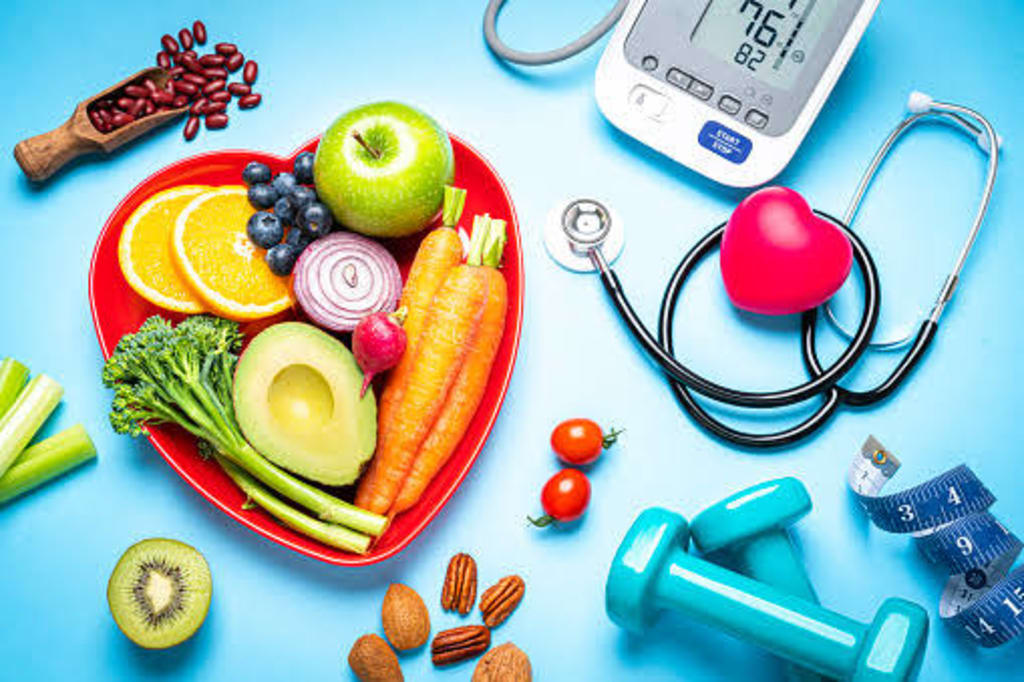
Good health is rarely about just one thing. Physical health, mental wellness, nutrition, preventive care, treatment, and everyday habits all influence one another. When one area is neglected, other parts of health can sometimes be affected as well.
Finding reliable health information can also be difficult. There is a huge amount of advice available online, but not every article is accurate, relevant, or based on trustworthy information. Clear and easy-to-understand health information can make it easier to learn about common health concerns and make more informed decisions.
Health Information for Different Needs
Health concerns are different for everyone. Some people may be looking for information about diabetes management, while others may want to understand heart health, children’s health, skin concerns, medications, or different treatment options.
A useful health information service brings different areas of health and wellness together in one place.
Common areas of health information and support include:
- Diabetes and blood sugar management
- Cardiovascular and heart health
- Children’s health
- Common illnesses and health conditions
- Medication information
- Skincare and skin health
- Medical treatments and recovery
- Preventive care and healthy living
- Nutrition and lifestyle
- Mental and emotional well-being
Access to information across these areas can help people understand health concerns more clearly before discussing them with an appropriate healthcare professional.
Helping People Understand Health Conditions
Medical terminology can sometimes make health information difficult to understand. The average reader may not be familiar with all the terms used when discussing symptoms, diagnoses, medications, and treatments.
Well-organised health information can explain these subjects in simpler language while covering important areas such as symptoms, possible causes, risk factors, diagnosis, treatment, and prevention.
For example, understanding the early signs of high blood sugar may encourage someone to speak with a healthcare professional sooner. Learning about heart health may encourage healthier daily habits. Information about children’s health can also help parents recognise when a particular situation may require medical attention.
The purpose of reliable health information is not to replace professional diagnosis. Instead, it can help people become better informed about their health and prepare useful questions for a healthcare professional.
The Importance of Preventive Health
Healthcare is about more than treating an illness after it develops. Prevention is also an important part of maintaining long-term health.
Regular physical activity, balanced nutrition, sufficient sleep, stress management, healthy habits, and appropriate health screenings can all contribute to better overall well-being.
Preventive health information can help people understand potential risk factors and encourage healthier choices before a problem becomes more serious.
Sometimes, small changes can make a meaningful difference when they become a consistent part of a daily routine.

Supporting Children’s Health
Children have different health needs from adults, and changes in symptoms may sometimes require particular attention.
Parents and caregivers may look for information about childhood illnesses, fever, dehydration, sleep, vaccinations, nutrition, and other common health concerns.
Clear and reliable information can help parents understand what a symptom might mean and recognise when professional medical advice may be appropriate.
Health information should not create unnecessary fear. Instead, it should provide useful context and help families make informed decisions about when further medical attention may be needed.
Understanding Medications and Treatments
Information about medications and treatments can sometimes be confusing. Different medicines may have different purposes, precautions, possible interactions, and instructions.
Reliable educational resources can provide general information about medications and treatment approaches in a way that is easier to understand.
However, medication decisions should always be based on appropriate professional advice. Information found online should not be used to start, stop, or change the dosage of a prescription medication without consulting a doctor or qualified healthcare professional.
The same principle applies to treatments and recovery. Understanding a treatment can help people prepare better questions and have more informed conversations with their healthcare providers.
Skin and Personal Health
Skin health is another important part of overall well-being. The skin can be influenced by environmental factors, age, lifestyle, everyday habits, and underlying health conditions.
Reliable skincare information can help explain common skin concerns, everyday care practices, and situations where professional advice may be necessary.
Instead of following every trending skincare recommendation, evidence-based information can help people understand which approaches may be appropriate for different skin concerns.
Mental and Emotional Well-Being
Physical health is only one part of overall well-being. Mental and emotional health also deserve regular attention.
Stress, poor sleep, anxiety, emotional exhaustion, and difficult life circumstances can affect everyday functioning. Recognising possible warning signs can make it easier to seek appropriate support when necessary.
Reliable information about mental health can also help reduce stigma by encouraging more open and informed conversations about emotional well-being.
Mental health should be treated as an important part of overall health rather than something that only deserves attention during a crisis.
The Importance of Trustworthy Health Information
The quality of health information matters because health-related decisions can have long-term consequences.
Useful health content should be:
- Clear and easy to understand
- Based on trustworthy information
- Practical without making unrealistic promises
- Responsible when discussing medical claims
- Focused on helping readers understand their options
- Clear about when professional medical advice may be necessary
Reliable health information does not attempt to diagnose every symptom. Instead, it provides useful context, improves health awareness, and encourages appropriate professional care when needed.
Making Health a Long-Term Priority
Health should not only become a priority when something goes wrong. Consistent attention to physical and mental well-being can help develop healthier habits over time.
Understanding common health conditions, learning about preventive care, developing healthy routines, and knowing when to seek professional help can all contribute to better health awareness.
Access to reliable health services and educational resources can make this process easier by bringing useful information together in one accessible place.
Conclusion
Good information can be an important starting point for better health decisions.
Whether the concern involves diabetes, heart health, children’s health, medications, skincare, treatments, mental well-being, or general lifestyle habits, clear and reliable information can help people better understand their health.
Health information is not a substitute for professional medical advice. However, it can help people understand their concerns, prepare informed questions, recognise potential warning signs, and take a more active role in their long-term health and well-being.