What Causes Dry Skin? Common Causes and Simple Ways to Stay Hydrated
- August 9, 2026
- 0
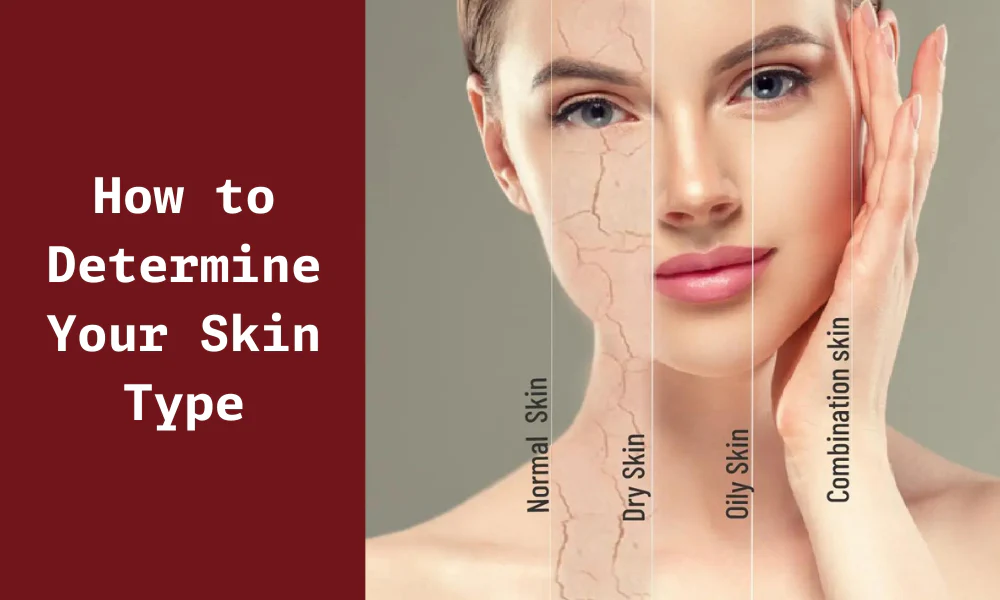
Dry skin can show up out of nowhere. The face may feel tight after washing, the hands can become rough, or small patches of flaky skin may appear

Dry skin can show up out of nowhere. The face may feel tight after washing, the hands can become rough, or small patches of flaky skin may appear

Dry skin can show up out of nowhere. The face may feel tight after washing, the hands can become rough, or small patches of flaky skin may appear around the cheeks and nose. The problem can become even more noticeable during colder months when indoor air tends to be dry.
Dry skin can usually be managed with a few simple changes. Understanding what causes it can also make an everyday skincare routine much easier.
Healthy skin needs a protective barrier to help keep moisture in. When this barrier becomes weakened, water can escape more easily, leaving the skin feeling dry, tight, rough or irritated.
Several everyday factors can contribute to dry skin.
A long, hot shower may feel relaxing, but very hot water can remove some of the natural oils that help protect the skin. This may leave the skin feeling tight and uncomfortable after bathing.
Lukewarm water is generally a better choice, particularly for dry or sensitive skin.
Some strong soaps and heavily fragranced cleansers can be drying. Frequent washing may also make dryness worse, especially on the hands and face.
A mild, fragrance-free cleanser can help remove dirt and excess oil without leaving the skin feeling stripped.
Weather can have a noticeable effect on the skin. Cold temperatures and low humidity can reduce moisture in the outer layer of the skin. Indoor heating can contribute to dryness as well.
This is one reason skin may feel rougher and more uncomfortable during winter.
Moisturisers help support the skin barrier and reduce moisture loss. Skipping moisturiser, particularly after washing, can leave already-dry skin feeling uncomfortable.
Applying moisturiser while the skin is still slightly damp can help retain moisture.
Managing dry skin does not always require a complicated routine. A few simple habits can help keep the skin comfortable and hydrated.
Moisturising products often contain ingredients such as ceramides, glycerin, hyaluronic acid and petrolatum. These ingredients can help support the skin barrier and reduce moisture loss.

A little dryness is common, but persistent or severe symptoms may need more attention. Cracking, intense redness, swelling, bleeding, severe itching or painful areas can sometimes indicate an underlying skin condition rather than simple dryness.
If gentle skincare does not improve the dryness, a dermatologist can help identify the possible cause and recommend appropriate treatment.
A large collection of skincare products is not always necessary. Gentle cleansing, regular moisturising and protection from environmental factors can provide a good foundation for everyday skincare.
Paying attention to how the skin feels can also help identify habits that may be causing unnecessary dryness. Small, consistent changes are often more useful than constantly switching from one new product to another.