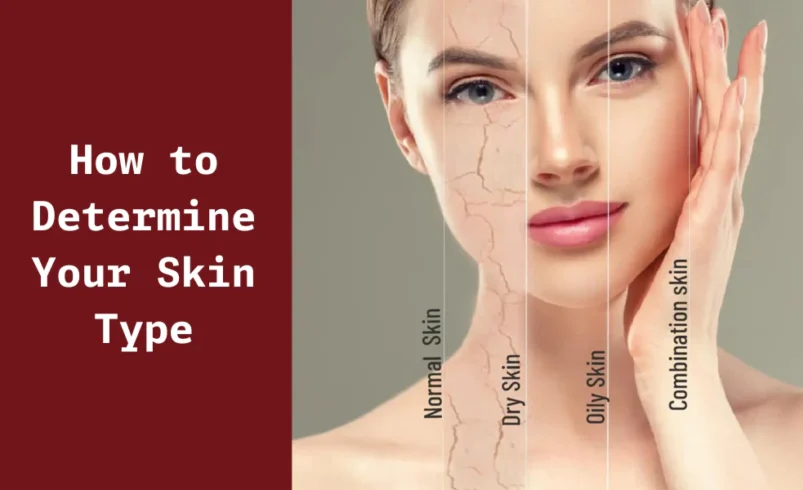
Buying skincare products without knowing your skin type is like buying shoes without knowing your size. A product that works perfectly for someone else may leave your skin feeling dry, irritated, or excessively oily.
The good news is that you don’t need expensive equipment or a dermatologist’s office to get a good understanding of your skin type. With a few simple observations, you can identify how your skin behaves and choose products that are better suited to your needs.
Let’s start with a quick skin assessment.
Step 1: Wash Your Face
Before beginning, wash your face using a gentle cleanser.
Avoid applying:
- Moisturizer
- Toner
- Serum
- Sunscreen
- Makeup
Pat your face dry with a clean towel.
Now wait 30 to 60 minutes without applying anything to your skin.
This allows your skin to return to its natural state.
Step 2: Look in the Mirror
Stand in front of a mirror with natural lighting and ask yourself the following questions.
Question 1
Does your face feel tight or rough?
✅ Yes → Continue to Question 2.
❌ No → Continue to Question 3.
Question 2
Do you notice flaking, rough patches, or dull-looking skin?
✔ If yes, your skin is most likely Dry Skin.
Question 3
Is your entire face shiny, especially your forehead, nose, cheeks, and chin?
✔ If yes, your skin is likely Oily Skin.
❌ No → Continue.
Question 4
Is your forehead, nose, and chin oily, but your cheeks feel normal or dry?
✔ Yes → You probably have Combination Skin.
❌ No → Continue.
Question 5
Does your skin often sting, burn, itch, or become red after trying new skincare products?
✔ Yes → You may have Sensitive Skin.
❌ No → Continue.
Question 6
Does your skin feel comfortable throughout the day without becoming too oily or too dry?
✔ Yes → You most likely have Normal Skin.
Your Results
You Have Dry Skin If…
Your skin usually feels:
- Tight after washing
- Rough to the touch
- Dull
- Flaky during colder months
Your main goal:
Restore moisture and protect the skin barrier.
Look for ingredients like:
- Ceramides
- Glycerin
- Hyaluronic acid
- Shea butter
Avoid:
- Harsh cleansers
- Alcohol-heavy products
- Over-exfoliating
You Have Oily Skin If…
Your skin often appears:
- Shiny
- Greasy
- Prone to enlarged pores
- More likely to develop acne
Your main goal:
Control excess oil without stripping the skin.
Look for:
- Lightweight gel moisturizers
- Niacinamide
- Salicylic acid
- Non-comedogenic products
Avoid:
- Heavy oils
- Thick pore-clogging creams
You Have Combination Skin If…
You notice:
- Oily forehead and nose
- Dry or normal cheeks
- Different areas needing different care
Your main goal:
Balance oil while keeping dry areas hydrated.
Combination skin often benefits from using different products on different parts of the face.
You Have Sensitive Skin If…
Your skin reacts easily with:
- Redness
- Burning
- Itching
- Irritation
Your main goal:
Reduce irritation and strengthen the skin barrier.
Choose:
- Fragrance-free products
- Gentle cleansers
- Simple ingredient lists
Always patch-test new skincare products first.
You Have Normal Skin If…
Your skin feels:
- Smooth
- Comfortable
- Balanced
- Neither too oily nor too dry
Your focus should be maintaining healthy skin rather than trying to “fix” it.
Continue using:
- Gentle cleanser
- Daily moisturizer
- Sunscreen
Skin Type vs. Skin Condition
Many people confuse skin type with skin conditions.
They’re different.
| Skin Type |
Skin Condition |
| Dry |
Acne |
| Oily |
Rosacea |
| Combination |
Eczema |
| Normal |
Dehydration |
| Sensitive |
Sunburn |
For example:
Someone with oily skin can still have dehydrated skin.
Someone with dry skin can also develop acne.
Understanding this difference helps you choose more suitable skincare products.
Five Mistakes That Can Mislead You
Even if you know your skin type, certain habits can temporarily change how your skin behaves.
These include:
- Washing your face too often.
- Using harsh exfoliants every day.
- Skipping moisturizer.
- Using products designed for another skin type.
- Ignoring seasonal changes.
Your skin may need different care during winter compared with summer.
Seasonal Skin Changes
During Winter
You may notice:
- Increased dryness
- Tightness
- Flaking
A richer moisturizer may be helpful.
During Summer
You may notice:
- More oil production
- Increased sweating
- More frequent breakouts
Lightweight skincare products often work better during warmer months.
Quick Product Guide
| Skin Type |
Best Product Choice |
| Dry |
Rich moisturizing cream |
| Oily |
Oil-free gel moisturizer |
| Combination |
Lightweight lotion |
| Sensitive |
Fragrance-free moisturizer |
| Normal |
Simple daily moisturizer |
Remember that skincare should be adjusted based on your individual needs and any advice from a dermatologist.
Frequently Asked Questions
Can my skin type change over time?
Yes. Age, hormones, climate, medications, and lifestyle changes can all affect your skin.
Can oily skin still need moisturizer?
Absolutely. Skipping moisturizer may actually encourage your skin to produce more oil.
Is sensitive skin a permanent skin type?
Not always. Sensitivity may develop temporarily because of weather, certain skincare products, allergies, or underlying skin conditions.
How often should I reassess my skin type?
Checking every six to twelve months—or whenever you notice significant changes—is usually sufficient.
Your Next Step
Knowing your skin type is the foundation of good skincare. Once you understand how your skin naturally behaves, choosing cleansers, moisturizers, sunscreens, and treatments becomes much easier.
Instead of buying products based on trends or social media recommendations, choose skincare that matches your skin’s actual needs. A simple, consistent routine designed for your skin type is often more effective than using multiple expensive products that aren’t right for you.