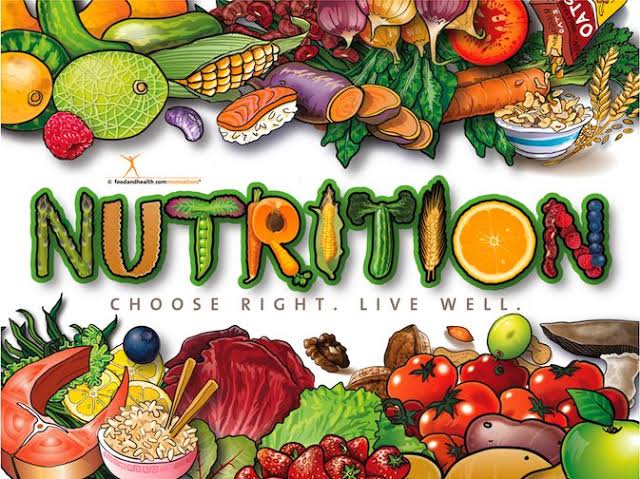
Eating healthy can sometimes be more complicated than it is.
There are new diets, food trends and conflicting opinions about what should or should not be on the plate always. There is so much information out there that it is easy to lose sight of the basics.
You don’t have to eat perfectly to eat well.
A balanced eating pattern that incorporates a variety of foods can deliver the nutrients the body needs and still allow for enjoyable meals.
Begin With Diversity
No single food provides all the nutrients our bodies require.
Eating a variety of foods helps ensure you get a wider range of vitamins, minerals, fiber, protein and other nutrients.
The pattern of eating that is balanced can include fruits, vegetables, whole grains, legumes, nuts, seeds and appropriate sources of protein. The WHO recommends a varied diet, based largely on minimally processed foods.
Variety doesn’t mean every meal has to have everything.
It’s often more helpful to think about the overall eating pattern for a few days rather than stressing that every meal has to be perfect.
Eat More Fruits And Vegetables
Fruit and vegetables have fiber, vitamins, minerals and other useful compounds.
Fresh produce is the obvious choice, but frozen and canned produce can be handy, too. Frozen vegetables are particularly useful when fresh ingredients are unavailable or you wish to reduce food waste.
It is easier to add another portion to a meal than to change the meal entirely.
Soups, pasta, rice dishes, sandwiches and omelets can all have vegetables added to them. Fruit can be a snack, a breakfast item, or an easy dessert.
Small additions can lead to better habits over time.
Select More Nutritious Carbohydrates
Carbohydrates serve as an important energy source.
It’s not so much about trying to remove carbohydrates from the diet, it’s about the type of carbohydrate.
Wholegrains, vegetables, fruit and pulses provide useful nutrients and fiber. Regular meals can include foods such as oats, whole grain bread, brown rice, beans and lentils.
You don’t need to entirely eliminate carbs. You can still reduce your intake of highly processed and refined carbohydrate-rich foods.
Get Your Protein
Your muscles and other important functions in the body are supported by protein.
You can find it in a variety of foods, such as fish, eggs, dairy products, lean meats, beans, lentils, nuts and other plant-based foods.
Meals that contain a source of protein can also be more filling.
The best choice will depend on individual dietary needs, preferences and circumstances.
Beware of Fats
Fat is an important part of a healthy diet, but the type of fat matters.
In general, diets high in saturated fats and industrial trans fats are not as good for you as those high in unsaturated fats, found in foods such as nuts, seeds, fish, avocados and certain vegetable oils.
That doesn’t mean you should avoid all fats.
Alternatively, one can concentrate on selecting healthier sources more often and reducing foods that are especially high in saturated or industrially produced trans fats.
Added Sugar Watch
Sweet foods can very easily become part of everyday eating without much thought.
Sugary drinks, desserts, sweets and highly processed snacks can add large amounts of free sugar to the diet.
The WHO recommends reducing free sugars to less than 10% of total daily energy intake and further reduction for additional health benefits.
Not all sweet foods have to go from the kitchen.
The more practical approach is to make these foods an occasional choice, rather than the main source of energy for the day.
Don’t Underestimate Fiber
A well-rounded diet includes fiber.
Fiber is found in wholegrains, vegetables, fruit, beans, lentils, nuts and seeds.
Gradually add more fiber and drink enough fluids to make it easier to comfortably add more high-fibre foods.
Eating more fiber doesn’t mean a whole new diet; simple changes like swapping refined grains for whole grains or adding beans and lentils to meals can boost your fiber intake.
Beware of Salt
Another part of the diet that adds up so easily is salt.
Not just the salt shaker. Processed foods, ready meals, processed meats, salty snacks and sauces contain a lot of salt. WHO recommends that adults consume less than 5 grams of salt a day.
You can find products with especially high amounts of sodium by reading food labels.
Herbs, spices, garlic, lemon or other seasonings can also add flavor and cut the need for salt.
Make Water Your Go-To Drink
When things get busy, it’s easy to forget to drink water.
Water is an easy choice for every day and doesn’t have the added sugars of many sweetened beverages.
Tea and other non-sweetened drinks also contribute to fluid intake.
If you’re drinking sugary drinks often throughout the day, it’s best to save them for special occasions.
Meal Planning When You’re Not Hungry
Food choices are often different without a plan.
When hunger gets bad, convenience can easily be the deciding factor. Keeping a few basic ingredients on hand can help make it easier to prepare balanced meals.
A simple weekly plan doesn’t mean you plan every meal in detail.
Having a few staples on hand, such as vegetables, whole grains, eggs, beans, fruit and a good source of protein, can make you flexible enough to create a few different meals.
Don’t Make Healthy Eating an All-or-Nothing Rule
Healthy eating is making good choices most of the time, not being perfect all the time.
Likewise, there’s no requirement that every meal be perfectly nutritious.
Food is also associated with pleasure, culture and social events. Choosing a balanced approach allows for foods that may not be the most nutrient dense, but are still fun.
It’s the overall pattern that matters more than one meal.

Build Habits That Actually Stick
Usually, the best health plan is one you can stick with over the long haul.
Severe restrictions can bring about rapid change, but they can also be hard to sustain.
A more practical way is incremental improvements. You can develop regular habits of eating more vegetables at meals, more whole grains, adequate protein, less added sugar and reasonable portions without making food feel restrictive.
Healthy eating doesn’t have to be difficult.
A varied diet, sensible choices and consistency provide a good foundation for good nutrition and individual dietary needs can be discussed with a qualified healthcare professional when needed.