Many people use the terms heart attack and cardiac arrest interchangeably, but they are not the same medical emergency. While both affect the heart and require immediate attention, they happen for different reasons and demand different responses.
Knowing the difference could help you recognize a life-threatening emergency and act quickly. Prompt treatment can save lives and improve recovery outcomes.
Let’s break down the differences in a simple and practical way.
At a Glance: Heart Attack vs. Cardiac Arrest
| Heart Attack |
Cardiac Arrest |
| Blood flow to the heart is blocked |
The heart suddenly stops beating effectively |
| The person is usually awake and breathing initially |
The person becomes unconscious within seconds |
| Caused by blocked coronary arteries |
Usually caused by an abnormal heart rhythm |
| Medical emergency requiring urgent treatment |
Medical emergency requiring immediate CPR and emergency services |
| Can sometimes lead to cardiac arrest |
Often occurs without warning |
Although different, a severe heart attack can sometimes trigger cardiac arrest.
What Happens During a Heart Attack?
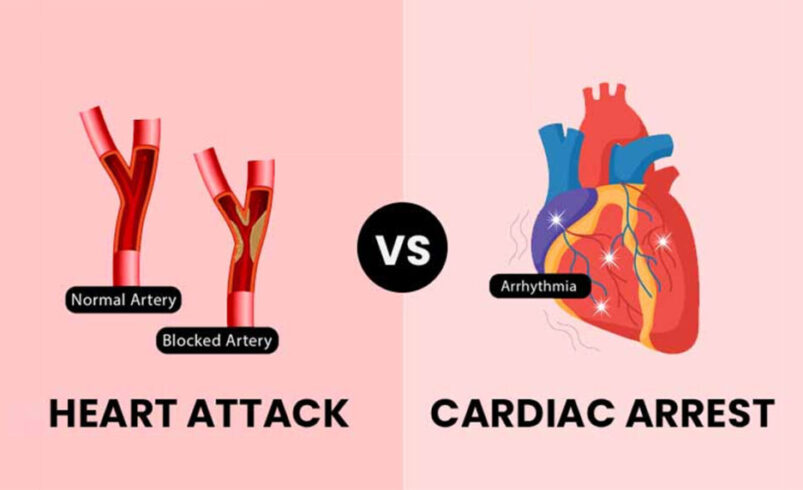
A heart attack, also called a myocardial infarction, occurs when blood flow through one or more coronary arteries becomes blocked.
Without enough oxygen, part of the heart muscle begins to suffer damage.
The blockage is commonly caused by:
- Cholesterol plaque buildup
- Blood clot formation
- Narrowed coronary arteries
The faster treatment begins, the more heart muscle can be saved.
What Happens During Cardiac Arrest?
Cardiac arrest occurs when the heart suddenly stops pumping blood effectively.
This usually happens because of a dangerous disturbance in the heart’s electrical system, causing the heart to stop beating normally.
As a result:
- Blood flow stops
- Oxygen no longer reaches the brain
- Breathing stops or becomes abnormal
- Loss of consciousness occurs within seconds
Without immediate treatment, cardiac arrest is often fatal.
Recognizing the Warning Signs
Signs of a Heart Attack
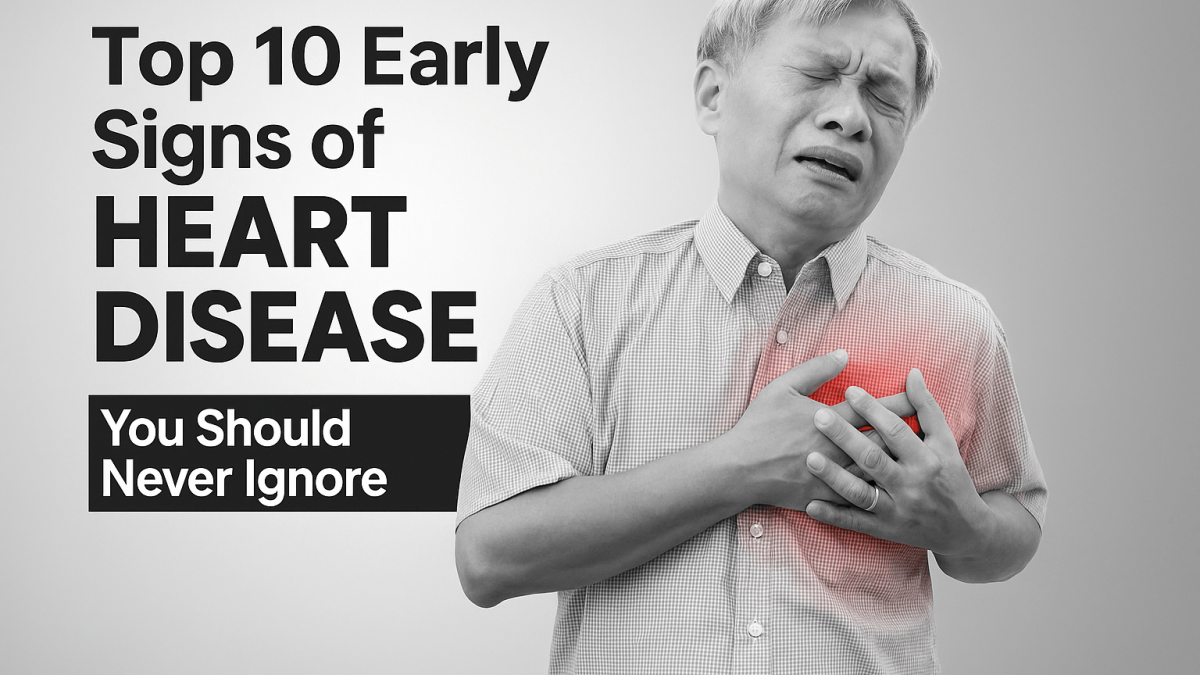
Symptoms often develop over several minutes and may include:
- Chest pressure or pain
- Pain spreading to the arm, jaw, neck, shoulder, or back
- Shortness of breath
- Cold sweating
- Nausea
- Dizziness
- Unusual fatigue
Some people experience mild symptoms, while others develop sudden, severe chest pain.
Signs of Cardiac Arrest
Cardiac arrest usually occurs suddenly.
Warning signs include:
- Sudden collapse
- No response when spoken to
- No normal breathing
- No detectable pulse
- Blue lips or skin
- Loss of consciousness
Immediate action is critical.
Emergency Response: What Should You Do?
If You Suspect a Heart Attack
Take these steps immediately:
- Call your local emergency medical services.
- Keep the person calm and seated.
- Loosen tight clothing.
- Do not allow the person to drive themselves to the hospital.
- Follow emergency medical instructions while waiting for help.
If You Suspect Cardiac Arrest
Every second counts.
You should:
- Call emergency medical services immediately.
- Begin CPR if you are trained or instructed to do so.
- Ask someone to locate an Automated External Defibrillator (AED), if available.
- Continue CPR until emergency responders arrive or the person begins breathing normally.
Early CPR and defibrillation greatly improve survival.
Why Quick Treatment Matters
Time is critical in both emergencies.
For a heart attack:
- Early treatment can restore blood flow.
- Less heart muscle is permanently damaged.
- Recovery is often better.
For cardiac arrest:
- Brain damage can begin within minutes without oxygen.
- Survival depends on immediate CPR and rapid defibrillation when appropriate.
Never wait to see if symptoms improve on their own.
Can One Cause the Other?
Yes.
A severe heart attack may damage the heart muscle enough to trigger a dangerous abnormal rhythm, leading to cardiac arrest.
However, cardiac arrest can also occur without a heart attack.
Other possible causes include:
- Heart rhythm disorders
- Severe heart failure
- Cardiomyopathy
- Congenital heart conditions
- Electrocution
- Drug overdose
- Major trauma
Who Is at Higher Risk?
People with the following conditions have a greater risk of serious heart emergencies:
- Coronary artery disease
- High cholesterol
- High blood pressure
- Diabetes
- Smoking
- Obesity
- Family history of heart disease
- Previous heart attack
- Heart failure
- Certain inherited heart rhythm disorders
Managing these risk factors can significantly reduce the likelihood of future cardiac events.
How Can You Reduce Your Risk?
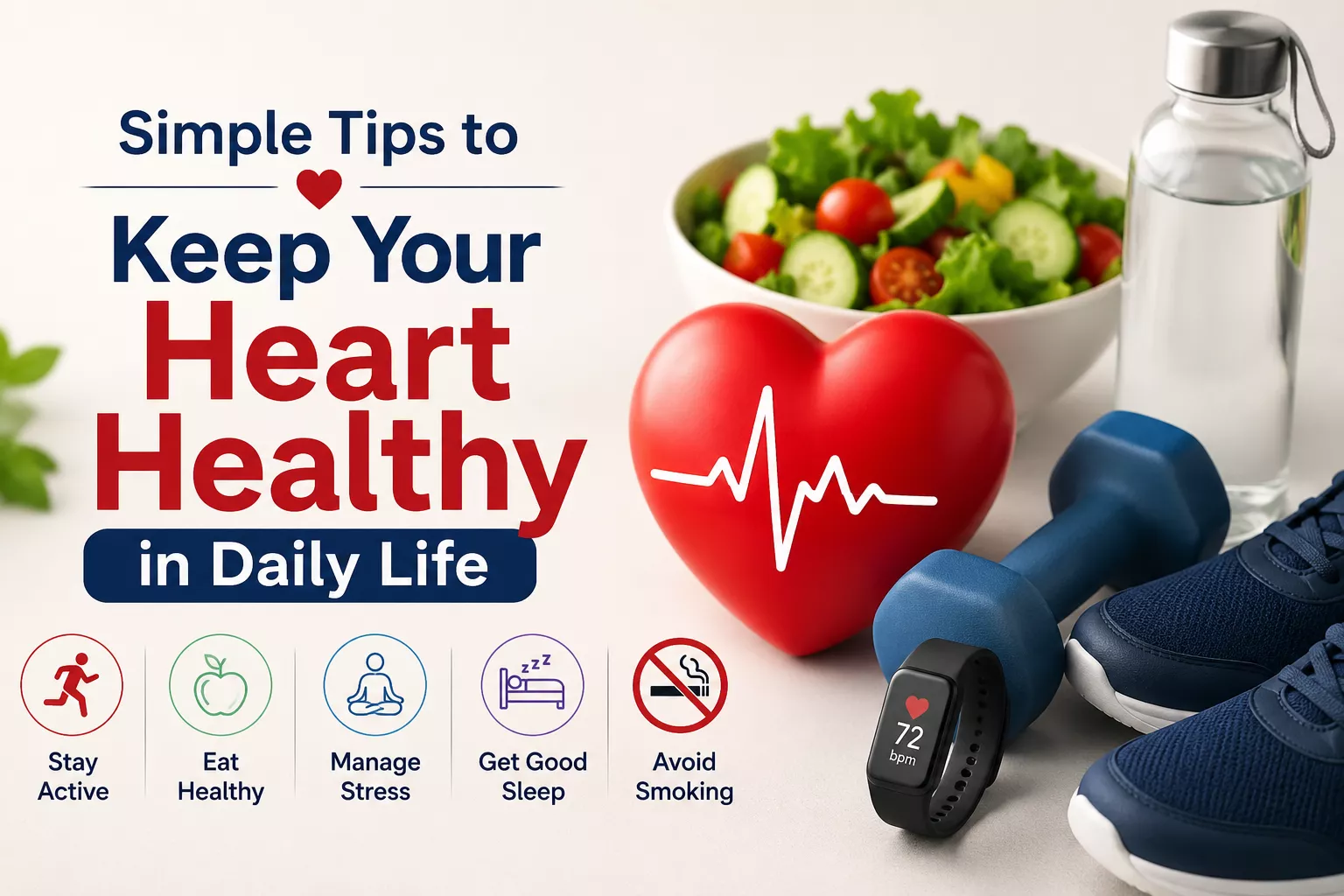
Simple lifestyle choices can protect your heart over the long term.
Consider these habits:
- Eat a heart-healthy diet.
- Exercise regularly.
- Avoid smoking.
- Maintain a healthy body weight.
- Control blood pressure and cholesterol.
- Manage diabetes effectively.
- Limit alcohol intake.
- Get enough sleep.
- Attend regular medical check-ups.
Learning CPR is also a valuable life skill that can help save someone’s life during a cardiac emergency.
Frequently Asked Questions
Is every heart attack followed by cardiac arrest?
No. Most heart attacks do not result in cardiac arrest, especially when treated promptly.
Can someone survive cardiac arrest?
Yes. Survival is possible if CPR and defibrillation begin quickly and emergency medical care is provided without delay.
Is chest pain always a heart attack?
No. Chest pain can have many causes, but any new, severe, or persistent chest pain should be evaluated immediately by a healthcare professional.
Which emergency is more dangerous?
Both are life-threatening. However, cardiac arrest causes the heart to stop pumping blood immediately and requires instant CPR and emergency medical care.
Remember These Key Differences
If you’re ever unsure whether someone is having a heart attack or cardiac arrest, it’s safest to treat the situation as a medical emergency and call for immediate help.
Remember:
- A heart attack is a circulation problem.
- Cardiac arrest is an electrical problem.
- Heart attack symptoms often develop while the person is still conscious.
- Cardiac arrest usually causes sudden collapse and unconsciousness.
- Rapid treatment saves lives in both situations.
Understanding these differences helps you respond faster and more confidently if an emergency occurs. Early recognition, quick action, and immediate medical care can make the difference between life and death.