Understanding Diabetes: Prevention, Early Signs, and Health Tips
- August 27, 2026
- 0
Diabetes is a health problem that can creep up quietly. Symptoms may not appear until blood sugar has been elevated for some time. That is why routine health

Diabetes is a health problem that can creep up quietly. Symptoms may not appear until blood sugar has been elevated for some time. That is why routine health

Diabetes is a health problem that can creep up quietly. Symptoms may not appear until blood sugar has been elevated for some time. That is why routine health screening and healthy daily habits are important, especially for people who have a higher risk of developing type 2 diabetes.
Diabetes is a condition in which the body cannot properly regulate blood glucose, an important source of energy. When blood glucose remains too high over time, it can damage blood vessels, nerves, kidneys and eyes and affect cardiovascular health. Diabetes also increases the risk of heart disease and stroke.
Diabetes is not one single disease. The three major types are type 1 diabetes, type 2 diabetes and gestational diabetes.
Type 1 diabetes occurs when the immune system destroys the insulin-producing cells in the pancreas. It is not generally caused by lifestyle choices and cannot currently be prevented.
Type 2 diabetes is much more common. It develops when the body does not respond effectively to insulin and, over time, may not produce enough insulin to keep blood glucose at healthy levels.
Several factors can increase the risk, including being overweight, physical inactivity, family history and certain genetic and environmental factors. The positive side is that type 2 diabetes can often be prevented or delayed through healthier lifestyle choices.
Gestational diabetes can develop during pregnancy. Blood sugar may return to normal after delivery, but having gestational diabetes increases the risk of developing type 2 diabetes later in life. Continued health monitoring can therefore be important after pregnancy.
Avoiding diabetes does not require a perfect lifestyle. Small changes, when maintained consistently, can make a meaningful difference.
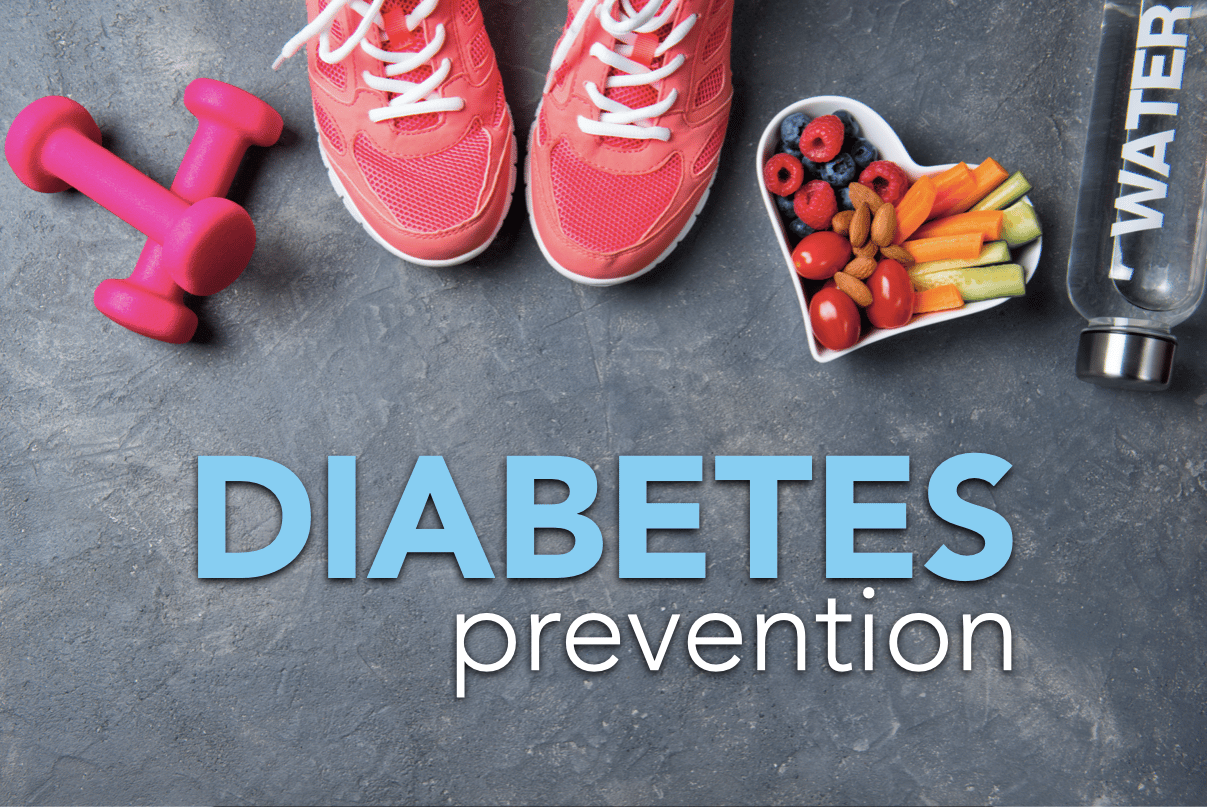
Important preventive measures for type 2 diabetes include maintaining a healthy body weight, staying physically active, following a balanced diet and avoiding tobacco.
Type 2 diabetes can be particularly difficult to notice because it may develop with few or no obvious symptoms. Blood glucose can gradually increase while a person continues to feel relatively well. Detecting the condition early provides more opportunity to make appropriate lifestyle changes and begin medical treatment when necessary.
Dietary choices play an important role in blood sugar management and diabetes prevention. Healthy eating does not mean eliminating carbohydrates or following the latest restrictive diet. Food quality, variety and sensible portions are more important.
A balanced eating pattern can include:
Highly processed foods, foods high in free sugars and products containing large amounts of saturated fat are best limited. Healthy dietary patterns should largely be based on minimally processed foods, including vegetables, fruits, whole grains and legumes.
Sugar-sweetened beverages deserve particular attention because they can provide substantial amounts of sugar without creating the same feeling of fullness as solid foods. Choosing water or unsweetened drinks instead can be a simple change to make every day.
Physical activity helps the body use glucose more efficiently and supports a healthy body weight. Staying active does not necessarily require spending hours in a gym.
Walking, cycling, swimming, gardening, household activities and other forms of regular movement can all contribute to an active lifestyle. Adults are generally advised to aim for 150–300 minutes of moderate-intensity physical activity each week, along with muscle-strengthening activities on at least two days each week.
For someone who spends most of the day sitting, starting gradually may be more realistic than making a drastic change. Taking the stairs, getting up and moving during long periods of sitting, or going for a daily walk can help create a more active routine.
Being overweight, particularly carrying excess weight around the waist, is associated with a higher risk of type 2 diabetes. Maintaining a healthy weight can therefore be an important part of prevention.
This does not mean that every person with diabetes is overweight, or that body weight alone determines whether someone will develop diabetes. Genetics, age, family history and other factors also play a role.
The focus should be on sustainable habits rather than quick weight-loss programmes. Healthy eating and regular physical activity are generally more useful over the long term than restrictive diets followed for only a short period.
Smoking is harmful to cardiovascular health and is also associated with an increased risk of diabetes. Avoiding tobacco can therefore support both diabetes prevention and overall health.
Blood pressure and cholesterol are important factors as well, particularly for people who already have diabetes. Keeping these factors under control can help reduce the risk of cardiovascular complications.
Possible symptoms of diabetes include increased thirst, frequent urination, unexplained weight loss, tiredness and blurred vision.
However, type 2 diabetes can develop with few or no noticeable symptoms. Waiting for symptoms is therefore not always a reliable way to identify the condition.
Persistent or unexplained symptoms should be discussed with a healthcare professional. Blood tests can help identify elevated blood glucose and support an appropriate diagnosis.
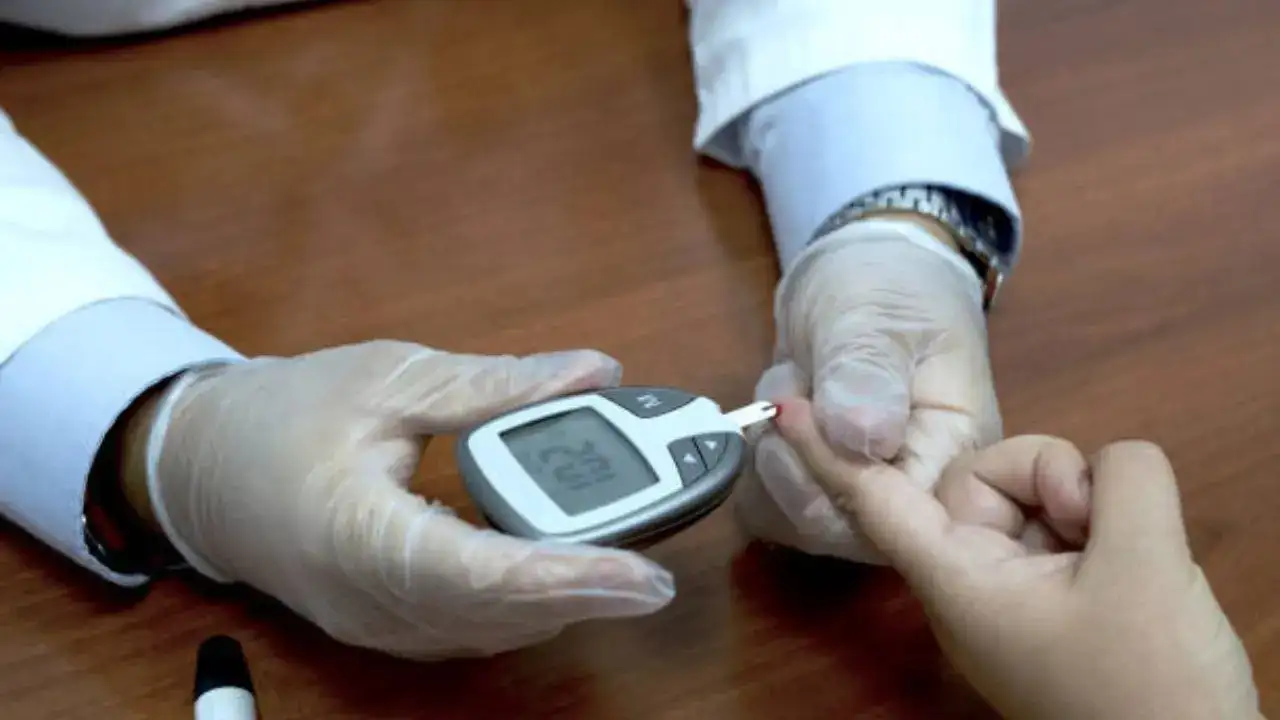
Knowing about diabetes early is an important part of managing the condition. Blood glucose testing and other appropriate health assessments can help identify problems before they develop into serious complications.
People who already have diabetes may also require regular checks of blood pressure, cholesterol, kidney function, eyes and feet. These assessments can help identify potential complications earlier, when treatment and lifestyle adjustments may be more effective.
People with a family history of diabetes, a history of gestational diabetes, excess weight or other risk factors may benefit from discussing appropriate screening with a healthcare professional.
A diabetes diagnosis does not mean that a healthy and active lifestyle is no longer possible. With appropriate treatment, regular monitoring, nutritious food choices and physical activity, blood glucose can often be managed effectively.
Some people with type 2 diabetes may be able to manage their condition through lifestyle changes, while others may require medication or insulin. Treatment should always be based on individual medical needs rather than social media advice, restrictive dietary trends or unproven online remedies.
Consistency is one of the most important parts of long-term diabetes care. A balanced meal, a regular walk, taking prescribed medication correctly and attending routine health appointments may seem like small steps, but together they can make a meaningful difference over time.

Preventing diabetes is rarely about making one major change. More often, it is the result of many ordinary choices repeated consistently over months and years.
Eating a balanced diet, staying physically active, maintaining a healthy weight, avoiding tobacco and attending appropriate health checks can all help reduce the risk of type 2 diabetes.
These same principles remain valuable for people who already live with diabetes, alongside the treatment plan provided by a healthcare professional. Early attention, regular monitoring and sustainable lifestyle habits can help reduce the risk of serious complications and support better long-term health.