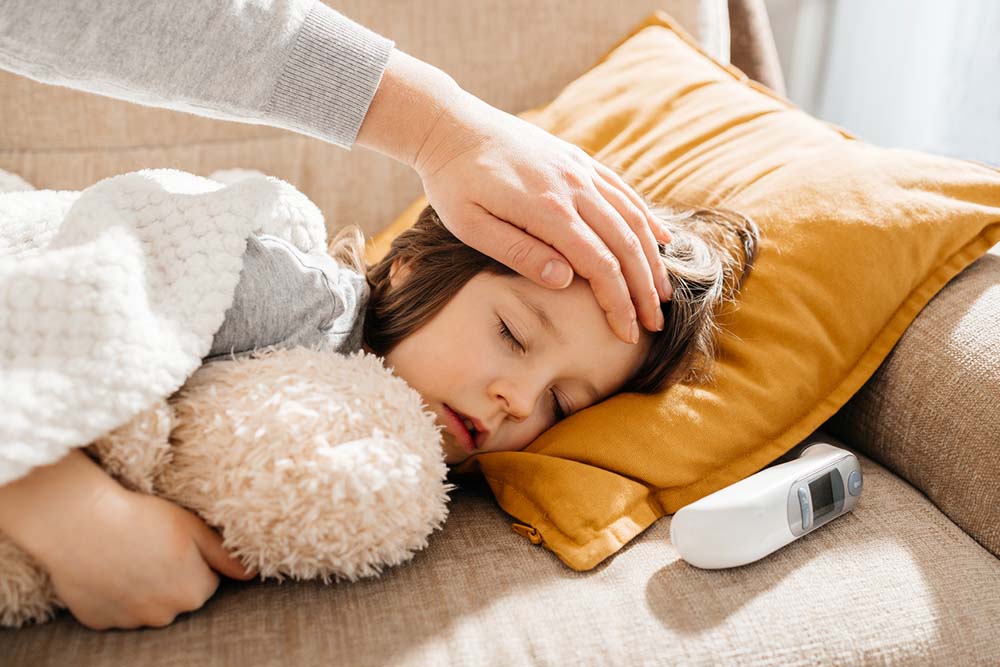
Sleep plays a vital role in a child’s physical growth, emotional well-being, and brain development. While many parents focus on healthy meals and regular exercise, quality sleep is just as important for raising a healthy child. During sleep, the body repairs tissues, strengthens the immune system, supports learning, and releases growth hormones that are essential during childhood.
Despite its importance, many children do not get enough sleep. Busy schedules, increased screen time, irregular bedtimes, and stressful routines can all affect sleep quality. Poor sleep may lead to tiredness, mood swings, difficulty concentrating, and reduced academic performance.
The good news is that healthy sleep habits can be developed with simple daily routines. Understanding your child’s sleep needs and creating a consistent bedtime schedule can improve both their health and your family’s well-being.
Why Is Sleep So Important for Children?
Sleep is much more than simply resting. While children sleep, their bodies perform several important functions that support healthy growth and development.
Quality sleep helps:
- Support brain development
- Improve memory and learning
- Strengthen the immune system
- Promote healthy physical growth
- Improve mood and emotional regulation
- Increase concentration and attention
- Reduce the risk of obesity
- Help children stay active throughout the day
Children who regularly get enough sleep are often happier, healthier, and better prepared for school and daily activities.
How Much Sleep Does a Child Need?
The amount of sleep a child requires changes as they grow.
General recommendations include:
- Infants (4–12 months): 12 to 16 hours (including naps)
- Toddlers (1–2 years): 11 to 14 hours
- Preschool children (3–5 years): 10 to 13 hours
- School-age children (6–12 years): 9 to 12 hours
- Teenagers (13–18 years): 8 to 10 hours
Every child is different, but consistently sleeping less than these recommendations may affect health and development.
Signs Your Child May Not Be Getting Enough Sleep
Children do not always say they are tired. Instead, lack of sleep often appears through changes in behaviour.
Watch for these signs:
- Difficulty waking up in the morning
- Frequent yawning during the day
- Trouble concentrating at school
- Irritability or mood swings
- Hyperactive behaviour
- Falling asleep during car rides
- Reduced interest in play
- Poor academic performance
If these symptoms occur regularly, it may be time to review your child’s bedtime routine.
Common Reasons Children Have Trouble Sleeping
Many sleep problems have simple explanations.
Some of the most common causes include:
Too Much Screen Time
Using smartphones, tablets, or televisions before bedtime exposes children to blue light, which can interfere with the body’s natural sleep hormone, melatonin.
Inconsistent Bedtimes
Going to bed at different times every night makes it harder for children to develop a healthy sleep rhythm.
Sugary Foods Before Bed
Chocolate, sugary snacks, and caffeinated drinks can make children feel more alert when they should be winding down.
Anxiety or Stress
School worries, family changes, or social pressures may make it difficult for children to fall asleep.
Illness or Allergies
A blocked nose, cough, ear pain, or itchy skin can interrupt sleep throughout the night.
How to Create a Healthy Bedtime Routine
A predictable bedtime routine helps children understand that it is time to relax and prepare for sleep.
A simple evening routine may include:
- Taking a warm bath
- Brushing teeth
- Putting on comfortable sleepwear
- Reading a story together
- Listening to calming music
- Turning off electronic devices at least one hour before bedtime
- Keeping lights dim in the bedroom
Repeating the same routine each evening can help children fall asleep more easily.
Creating the Perfect Sleep Environment
The bedroom itself plays an important role in sleep quality.
Parents can improve sleep by making sure the room is:
- Quiet
- Dark
- Cool but comfortable
- Free from unnecessary electronic devices
- Equipped with a supportive mattress and pillow
A peaceful sleep environment helps children remain asleep for longer periods.
When Should Parents Be Concerned?
Occasional sleep difficulties are normal, especially during illness or stressful life events.
However, medical advice should be considered if your child:
- Snores loudly every night
- Frequently stops breathing during sleep
- Has regular nightmares or night terrors
- Walks during sleep often
- Has difficulty falling asleep for several weeks
- Appears extremely tired despite enough hours in bed
- Struggles with daytime behaviour due to poor sleep
A healthcare professional can identify whether an underlying sleep disorder or medical condition is affecting your child.
Healthy Habits That Improve Sleep
Small lifestyle changes often produce significant improvements.
Encourage your child to:
- Stay physically active during the day
- Spend time outdoors in natural daylight
- Eat balanced meals
- Avoid caffeine-containing drinks
- Maintain regular bedtimes, even on weekends
- Limit screen time before bed
Consistency is one of the most effective ways to improve long-term sleep quality.
Frequently Asked Questions
Is it normal for children to wake up during the night?
Yes. Many children briefly wake during the night. Most return to sleep without assistance. Frequent or prolonged waking should be discussed with a healthcare professional.
Should children nap during the day?
Young children often benefit from daytime naps, but older school-age children usually no longer need them unless advised otherwise.
Can too much screen time affect sleep?
Yes. Screen exposure before bedtime can delay sleep and reduce sleep quality. Experts recommend avoiding screens for at least one hour before bed.
What should I do if my child is afraid of sleeping alone?
A calm bedtime routine, reassurance, and a consistent sleep schedule often help children feel more secure. Persistent anxiety should be discussed with a healthcare professional.
Conclusion
Healthy sleep is one of the foundations of childhood development. It supports learning, emotional well-being, physical growth, and a strong immune system. By creating consistent bedtime routines, limiting screen time before bed, and providing a comfortable sleep environment, parents can help their children develop lifelong healthy sleep habits.
While occasional sleep problems are common, ongoing difficulties should not be ignored. If your child regularly struggles to fall asleep, snores heavily, experiences interrupted breathing, or seems unusually tired during the day, seeking medical advice is the best next step. A well-rested child is more likely to be energetic, focused, and ready to enjoy every stage of growing up.