Why Is Heart Health Important for Everyday Life?
- September 3, 2026
- 0
Everyday habits that keep the heart healthy The heart silently works from morning till nite. Each beat sends blood through the body, providing oxygen and nutrients to organs

Everyday habits that keep the heart healthy The heart silently works from morning till nite. Each beat sends blood through the body, providing oxygen and nutrients to organs
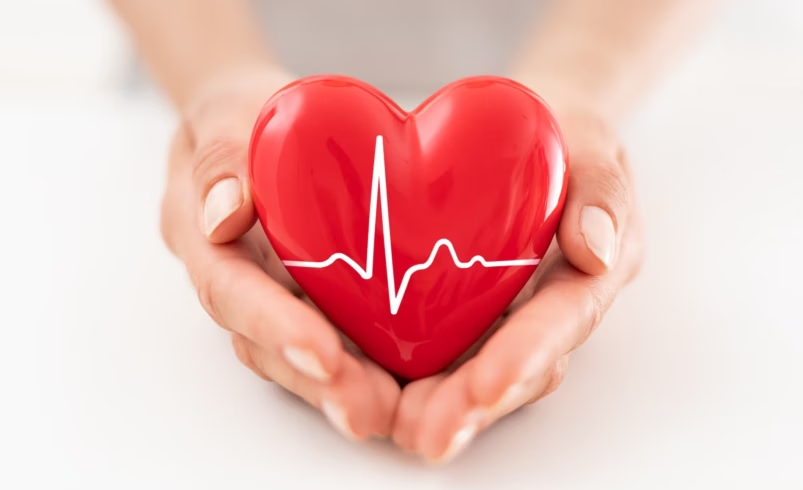
The heart silently works from morning till nite. Each beat sends blood through the body, providing oxygen and nutrients to organs and tissues. Usually this process takes place without any thought at all. The importance of heart health becomes obvious only when something goes wrong.
Different ages can be affected by heart problems and there are several risk factors that can build up over time, slowly. Some are connected to family history and age, while others are formed by daily habits. By knowing these factors, you can make heart health a daily habit and not something you only think about when a health problem occurs.
The heart and blood vessels are an important system that keep the body working. If this system is affected it can have repercussions throughout the body.
Cardiovascular diseases affect the heart and blood vessel systems. These can include coronary heart disease, heart failure, problems with the heart rhythm and diseases affecting blood vessels.
Some heart problems need time. Early on, changes like high blood pressure or high cholesterol may not cause any obvious symptoms. Therefore, regular health checks may provide useful information about factors that may increase cardiovascular risk.
Blood pressure is one of the main indicators related to heart health. It describes the pressure of blood moving through the arteries.
If you have high blood pressure for a long time, it can put extra strain on your heart and blood vessels. High blood pressure can also raise the risk of serious heart problems.
For one thing, high blood pressure doesn’t always have obvious symptoms, so it can be difficult to detect. Measuring it regularly can help us to identify changes before problems arise.
Blood pressure can be influenced by factors like age, genetics, body weight, physical activity, diet, stress, and some medical conditions.
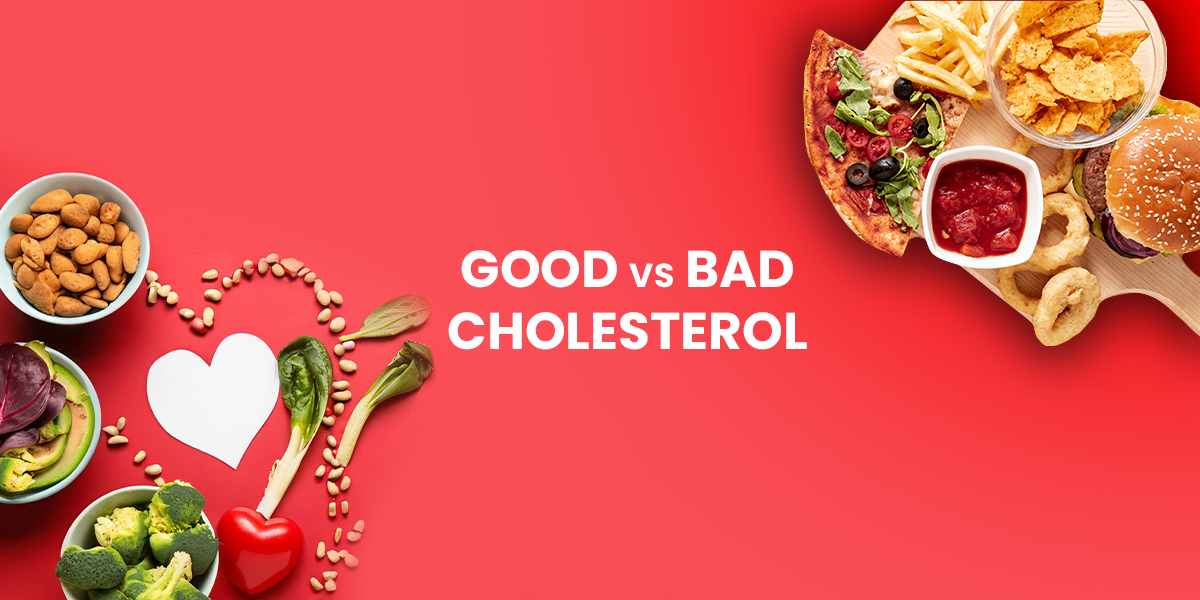
Cholesterol is something the body needs to do many important jobs. But too much of certain types of cholesterol can help to create fatty build-up inside blood vessels.
This buildup over time can narrow the arteries and make it harder for blood to flow normally.
Cholesterol level can be checked through blood testing. If levels fall outside the healthy range, medical advice can help determine if lifestyle changes, monitoring, or treatment may be appropriate.
The heart is a muscle, and regular activity can help to support cardiovascular fitness.
Walking, cycling, swimming, dancing and other moderate activities can be part of a healthy routine. You don’t always have to do intense workouts to get exercise. Consistent movement throughout the week can also be helpful.
Regular physical activity is good for your blood pressure, your body weight, your blood sugar levels and your cholesterol levels. It can also help to improve overall fitness, and make daily activities easier.
For individuals who have been inactive for a long period of time or have an underlying health condition, the right level of exercise may need to be discussed with a healthcare professional.
No one food can protect the heart from all diseases. It’s overall eating patterns that matter instead.
A well-rounded diet may include vegetables, fruits, whole grains, beans, nuts, seeds and other nutrient-dense foods. Fish, eggs, dairy products or suitable substitutes can also provide useful nutrients depending on individual dietary choices.
Limiting too much salt, added sugars and highly processed foods can also help promote a healthier eating pattern.
Portion size and regular eating are important too. In general it is easier to maintain a more balanced approach than extreme restrictions.
Tobacco use is a leading risk factor for cardiovascular disease. The chemicals in tobacco smoke can damage blood vessels and the way your blood carries oxygen.
Even years after smoking cessation cardiovascular risk can be reduced. Support from health care professionals and structured smoking cessation programs can help with quitting.
Therefore, avoiding tobacco exposure is one of the important measures for protecting heart and blood vessel health.
Heart health isn’t just about food and fitness. Stress and sleep can also affect your overall health.
Long periods of stress can affect things like blood pressure, sleep, eating and physical activity. Taking care of yourself and finding ways of dealing with everyday pressure can be good for your overall wellbeing.
And sleep is equally important. The body needs time to recover, and getting plenty of regular sleep may help support healthy metabolism and cardiovascular functioning.
No routine is perfect for everyone. Work schedules, family responsibilities, age and other circumstances can influence sleep and stress levels.
Family history puts some people at greater risk for cardiovascular disease.
Having a close relative with heart disease does not guaranty that you will develop the condition as well. But family history can be a useful piece of information in a medical consultation.
You can’t do anything about age and inherited factors, but knowing these risks can help you to have regular health checks and pay attention to other factors that can be managed.
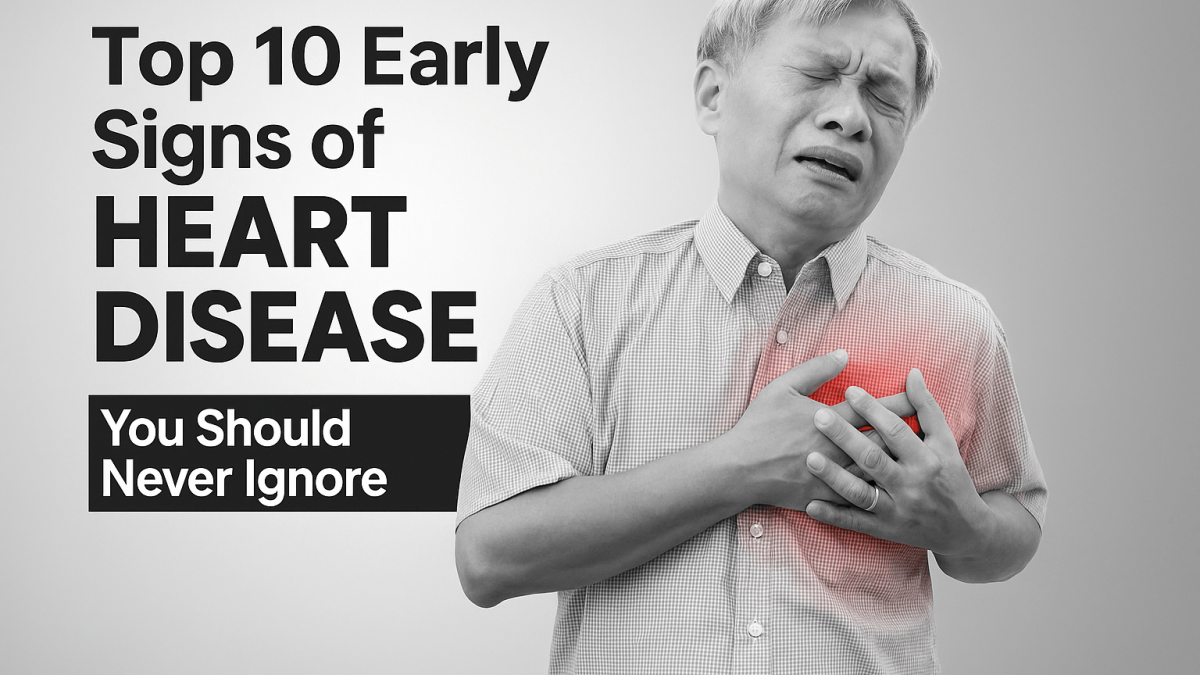
Some heart problems can develop without clear symptoms. Others can cause sudden and serious warning signs.
You may have a heart-related emergency if you experience severe chest discomfort, difficulty breathing, sudden weakness, fainting, or unusual pain that radiates to your arm, back, neck, or jaw.
Serious symptoms should not be taken lightly and may need urgent medical attention.
Unusual breathlessness, chest discomfort or dizziness that occurs repeatedly during physical activity, though less severe, also warrant medical attention.
Heart health rarely relies on one meal, one workout or one day off. It is composed of patterns that continue in time.
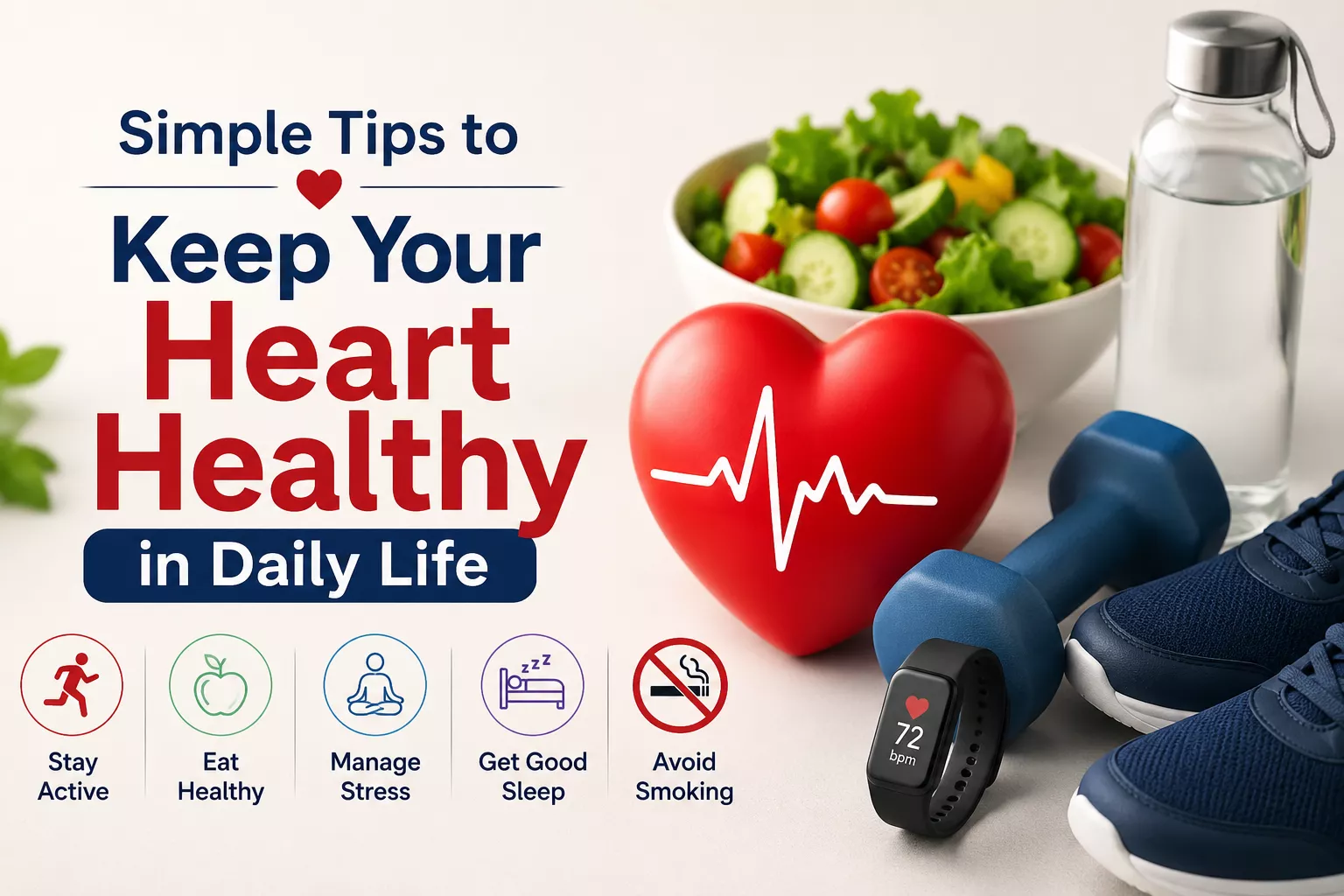
Regular physical activity, a nutritious diet, healthy sleep, avoiding tobacco, managing stress and monitoring key health metrics can all help keep your heart and blood vessels healthy.
Preventive health care also plays an important role. Routine medical exams can identify risk factors such as high blood pressure, high cholesterol or high blood sugar.
A healthy heart improves just about every aspect of life. You don’t need to have perfect lifestyle or complicated routine to protect it.
The most useful approach is often a practical one: stay active, eat nutritious foods most of the time, avoid tobacco, get enough rest and take unusual symptoms seriously.
Some heart problems cannot be prevented, especially if genetics or other unavoidable factors are involved. In some cases, early diagnosis and appropriate medical care can make a big difference.
So, heart health is not something for the later years. It is a continuing part of general health, bolstered by small decisions that are repeated over the course of life.