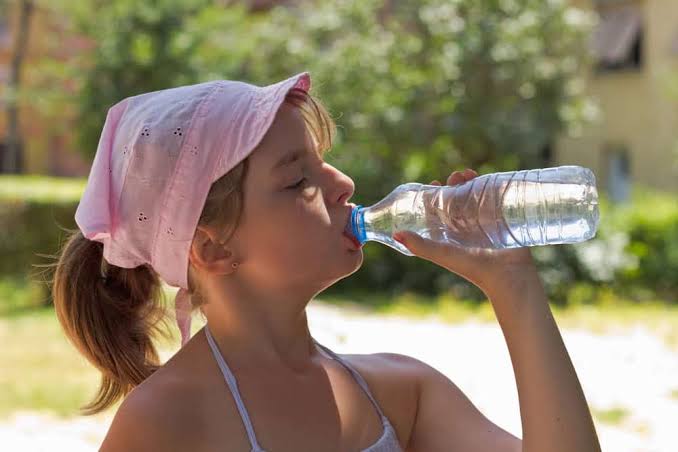
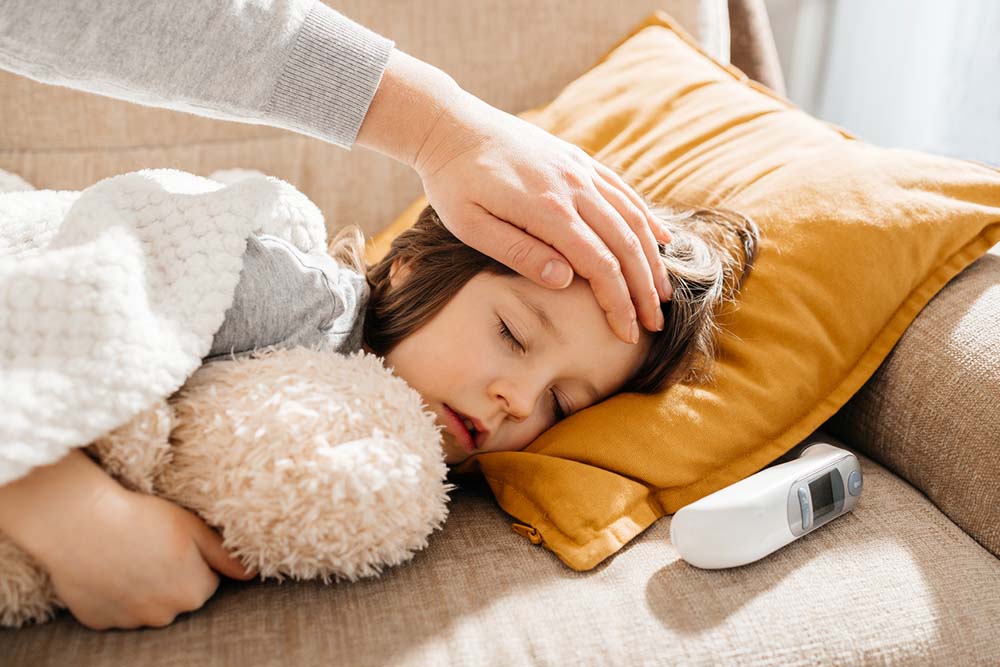
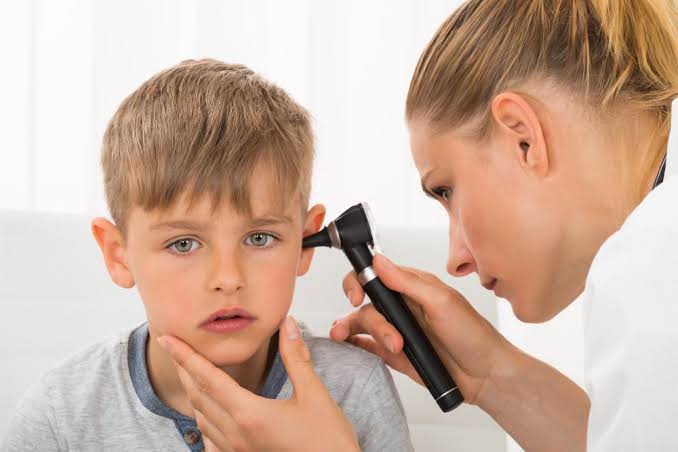
Children lose fluids much faster than adults, making dehydration one of the most common health concerns among infants, toddlers, and school-aged children. A child can become dehydrated after a fever, vomiting, diarrhea, spending time outdoors on a hot day, or even after hours of active play without drinking enough water.
Many parents assume dehydration only becomes a problem when a child is seriously ill, but even mild dehydration can affect energy levels, concentration, mood, and overall health. If left untreated, it can quickly become a medical emergency, especially in babies and young children.
The good news is that dehydration is often preventable. By recognizing the early warning signs and encouraging regular fluid intake, parents can usually manage mild dehydration at home and know when professional medical care is needed.
What Is Dehydration?
Dehydration occurs when the body loses more fluids than it receives. Water is essential for almost every function in the body. It helps regulate body temperature, transport nutrients, support digestion, protect organs, and maintain healthy blood circulation.
Children have a higher percentage of water in their bodies compared to adults. Because of this, they lose fluids more quickly and have fewer reserves, making them more vulnerable to dehydration.
Even a small loss of body fluids can make a child feel tired, irritable, or weak.
Why Are Children More Prone to Dehydration?
Children are naturally more active and often forget to drink water while playing. They also have faster metabolisms and smaller bodies, meaning they lose fluids more rapidly.
Common causes of dehydration include:
- Vomiting
- Diarrhea
- High fever
- Excessive sweating
- Hot weather
- Poor fluid intake
- Sore throat that makes swallowing painful
- Respiratory infections
- Long periods of outdoor activities
- Intense sports or exercise
Babies and toddlers are particularly at risk because they cannot always communicate when they feel thirsty.
What Are the Early Signs of Dehydration?
Early recognition is the key to preventing serious complications.
Watch for these symptoms:
- Dry lips and mouth
- Feeling thirsty
- Dark yellow urine
- Urinating less often than usual
- Fewer wet diapers in babies
- Dry skin
- Mild headache
- Low energy
- Irritability
- Loss of appetite
If your child shows these signs but is still alert and able to drink fluids, dehydration can often be corrected at home.
How Can Parents Check for Dehydration?
Parents can perform a simple assessment before deciding whether medical care is necessary.
Ask yourself:
- Has my child urinated during the past few hours?
- Is the urine pale yellow?
- Is my child asking for water?
- Does my child have moist lips and tongue?
- Are tears present when crying?
- Is my child alert and responding normally?
If the answer to most of these questions is yes, your child is likely only mildly dehydrated or not dehydrated at all.
When Does Dehydration Become Dangerous?
As dehydration worsens, symptoms become more noticeable and may require immediate medical attention.
Seek medical advice if your child develops:
- Sunken eyes
- No tears when crying
- Very dry mouth
- Cold hands or feet
- Fast heartbeat
- Rapid breathing
- Extreme tiredness
- Confusion
- Dizziness
- Very little urine for several hours
These symptoms indicate that the body is struggling to replace lost fluids.
How Can You Treat Mild Dehydration at Home?
Most children recover well if dehydration is recognized early.
Offer Fluids Frequently
Instead of giving a large glass of water at once, encourage your child to take small sips every five to ten minutes. This is especially helpful if they are feeling nauseous.
Continue Breastfeeding or Formula
For babies, continue breastfeeding or formula feeding regularly. These provide both fluids and essential nutrients.
Use Oral Rehydration Solutions
If your child has vomiting or diarrhea, an oral rehydration solution can help replace lost water and electrolytes more effectively than plain water.
Offer Water-Rich Foods
Foods with a high water content can also help improve hydration.
Good choices include:
- Watermelon
- Oranges
- Strawberries
- Cucumber
- Soup
- Yogurt
These foods are often easier to tolerate than heavy meals.
What Drinks Should Children Avoid?
Not every drink helps during dehydration.
Avoid giving:
- Sugary soft drinks
- Energy drinks
- Excessive fruit juice
- Drinks with caffeine
These beverages may worsen dehydration or upset the stomach.
Water, milk (when appropriate), and oral rehydration solutions remain the best options for most children.
When Should You Go to the Hospital?
Although many cases improve at home, some situations require emergency medical care.
Go to the nearest hospital immediately if your child:
- Cannot keep any fluids down
- Has continuous vomiting
- Has severe diarrhea
- Becomes unusually sleepy
- Is difficult to wake up
- Has a seizure
- Has not urinated for many hours
- Shows signs of confusion
- Has blood in the vomit or stool
- Has difficulty breathing
Prompt treatment can prevent serious complications and speed recovery.
How Can Parents Prevent Dehydration?
The best treatment is prevention.
Simple habits include:
- Encourage children to drink water regularly throughout the day.
- Offer extra fluids during hot weather.
- Pack a water bottle for school and outdoor activities.
- Give fluids after sports and physical exercise.
- Increase fluid intake during fever or illness.
- Teach children to drink before they become thirsty.
- Include fruits and vegetables with high water content in daily meals.
Making hydration part of your child’s daily routine can greatly reduce the risk of dehydration.
Frequently Asked Questions
How much water should children drink each day?
The amount varies depending on age, weather, and activity level. Most children should drink water regularly throughout the day, especially during warm weather and physical activity.
Can dehydration happen without diarrhea?
Yes. Fever, excessive sweating, vomiting, and simply not drinking enough fluids are all common causes of dehydration.
Are sports drinks recommended for children?
Most children do not need sports drinks. Water is usually the best choice unless a healthcare professional recommends an oral rehydration solution.
How quickly can dehydration develop?
Young children and babies can become dehydrated within a few hours if they have repeated vomiting, severe diarrhea, or high fever. Early monitoring is very important.
Conclusion
Dehydration is one of the most common yet preventable health problems in children. Whether caused by illness, hot weather, or inadequate fluid intake, recognizing the early signs can make a significant difference. Parents should pay close attention to changes in urine output, energy levels, thirst, and overall behavior, as these often provide the first clues that a child needs more fluids.
Most cases of mild dehydration can be treated successfully at home by encouraging frequent sips of water or oral rehydration solutions and allowing the child to rest. However, symptoms such as persistent vomiting, confusion, severe drowsiness, difficulty breathing, or no urine output for several hours require immediate medical attention.
By making hydration a daily habit and responding quickly when signs of dehydration appear, parents can help keep their children healthy, active, and protected throughout the year.