12 Natural Ways to Lower Blood Sugar and Improve Your Health
- July 17, 2026
- 0
Keeping your blood sugar within a healthy range is one of the most important steps you can take to protect your long-term health. Whether you’ve been diagnosed with

Keeping your blood sugar within a healthy range is one of the most important steps you can take to protect your long-term health. Whether you’ve been diagnosed with

Keeping your blood sugar within a healthy range is one of the most important steps you can take to protect your long-term health. Whether you’ve been diagnosed with prediabetes, Type 2 diabetes, or you’re simply looking to reduce your risk, healthy lifestyle habits can make a significant difference.
While medication may be necessary for some people, everyday choices such as eating a balanced diet, staying active, sleeping well, and managing stress all play a key role in blood sugar control. The best results usually come from combining several healthy habits rather than relying on a single solution.
In this guide, we’ll explore 12 natural ways to help lower blood sugar and support your overall health.
Dietary fiber slows the digestion and absorption of carbohydrates, helping to prevent rapid spikes in blood sugar after meals.
Foods rich in fiber include:
Aim to include high-fiber foods in most meals throughout the day.
Exercise helps your muscles use glucose more efficiently, reducing the amount of sugar circulating in your bloodstream.
Activities that support healthy blood sugar include:
Most adults should aim for at least 150 minutes of moderate physical activity each week.
Even modest weight loss can improve insulin sensitivity and make it easier for your body to regulate blood sugar.
You don’t need to achieve a perfect weight overnight. Small, sustainable improvements often lead to lasting results.
Carbohydrates are an important source of energy, but choosing the right types matters.
Instead of refined carbohydrates, choose:
These foods are generally digested more slowly and may help support steadier blood sugar levels.
Good hydration supports normal kidney function and helps the body remove excess glucose through urine when necessary.
Water is the best choice for most people.
Try to limit:
Long-term stress can increase hormones such as cortisol, which may make blood sugar harder to control.
Healthy stress-management techniques include:
Even a few minutes of relaxation each day can have positive effects.
Poor sleep has been linked to insulin resistance and increased appetite.
Aim for 7 to 9 hours of quality sleep each night by:
Good sleep supports both blood sugar control and overall health.
Skipping meals may lead to large fluctuations in blood sugar and increase the likelihood of overeating later in the day.
Instead:
Consistency often leads to better blood sugar management.
Added sugars can contribute to weight gain and make blood sugar management more difficult.
Read nutrition labels carefully and limit foods such as:
Choosing naturally sweet foods like fresh fruit is often a healthier alternative.
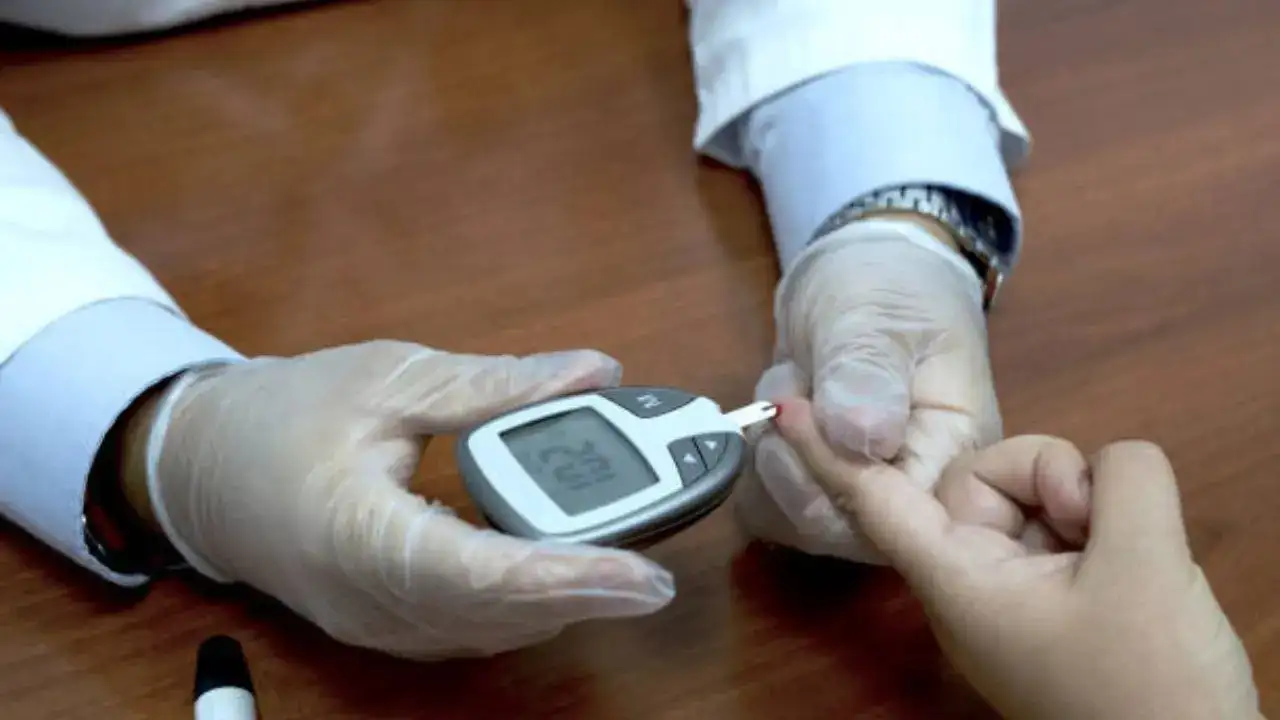
If your healthcare provider recommends blood glucose monitoring, checking your levels regularly can help you understand how food, exercise, stress, and medication affect your body.
Keeping a simple record may also help identify patterns that can guide future lifestyle changes.
Smoking increases the risk of cardiovascular disease and may worsen diabetes-related complications.
Alcohol can also affect blood sugar in different ways depending on the amount consumed and whether it is consumed with food.
If you smoke, consider seeking professional support to quit. If you drink alcohol, follow your healthcare provider’s advice regarding safe limits.
Routine health check-ups are essential for monitoring diabetes and preventing complications.
Regular appointments may include:
Early detection of any changes allows treatment plans to be adjusted promptly.
There is no single “magic” solution for lowering blood sugar naturally.
The greatest benefits usually come from combining several healthy habits, including:
Small improvements made consistently often lead to meaningful long-term results.
Many people unintentionally make choices that can make blood sugar harder to control.
Some common mistakes include:
Building sustainable habits is usually more effective than making drastic short-term changes.
Physical activity often helps lower blood sugar, although the response varies from person to person. People taking diabetes medications should follow their healthcare provider’s advice regarding exercise and blood sugar monitoring.
Staying hydrated supports overall health, but water alone cannot replace healthy eating, physical activity, or prescribed treatment.
Yes. Chronic stress can influence hormones that affect blood sugar regulation, making diabetes management more challenging.
No. Never stop or adjust prescribed medication without consulting your healthcare provider.
Lowering blood sugar naturally isn’t about finding a quick fix—it’s about building healthy habits that support your body every day. Eating a balanced diet, staying active, getting enough sleep, managing stress, maintaining a healthy weight, and attending regular health check-ups all contribute to better blood sugar control and overall well-being.
While lifestyle changes can have a powerful impact, they work best alongside professional medical care when needed. By making small, consistent improvements and monitoring your progress, you can reduce your risk of complications and take meaningful steps toward a healthier future.