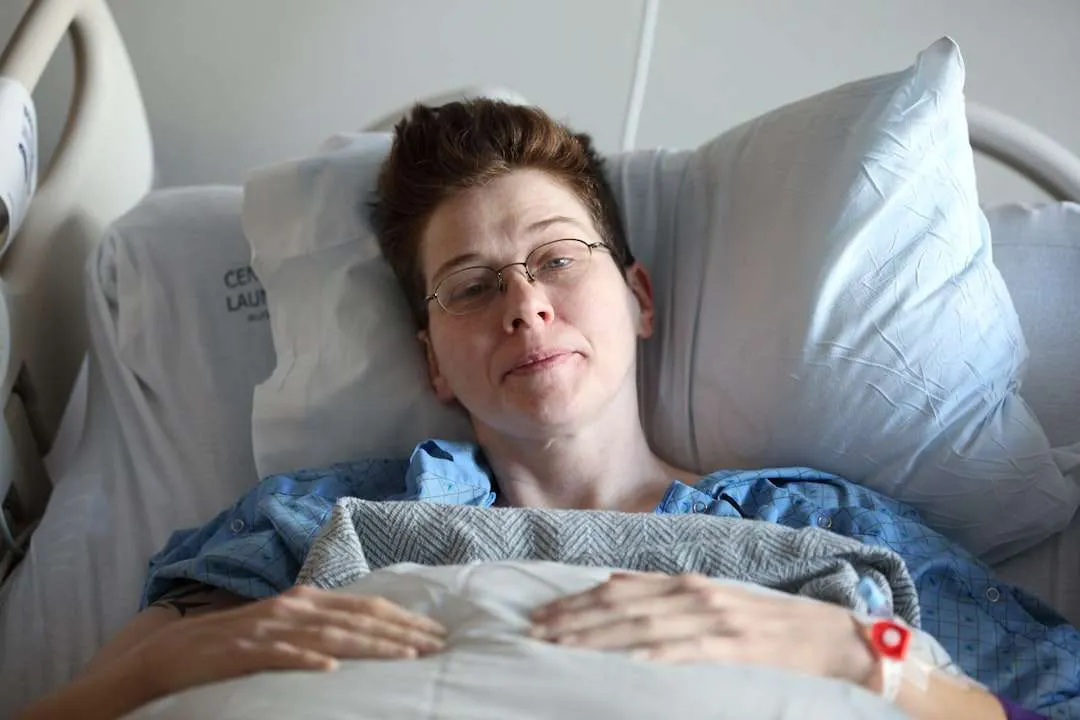
Leaving the hospital or finishing a medical procedure doesn’t always mean your recovery is complete. In many cases, the healing process continues for days, weeks, or even months at home. The choices you make during this period can have a significant impact on how well and how quickly your body recovers.
Whether you’ve been treated for an infection, undergone surgery, completed therapy, or received treatment for a chronic condition, having a structured recovery plan can help you stay on track.
Use this checklist as a practical guide to support your recovery at home.
✅ Recovery Checklist #1: Follow Your Treatment Plan
Your healthcare provider created a treatment plan based on your specific medical condition.
Make sure you:
- Take medications exactly as prescribed.
- Complete the full course of treatment when required.
- Follow wound care or rehabilitation instructions.
- Attend all scheduled follow-up appointments.
Consistency is one of the most important factors in successful recovery.
✅ Recovery Checklist #2: Prioritize Quality Sleep
Your body performs much of its repair work while you sleep.
Good sleep supports:
- Tissue healing
- Immune function
- Energy levels
- Mental well-being
Aim for 7 to 9 hours of quality sleep each night whenever possible.
✅ Recovery Checklist #3: Stay Hydrated
Water supports many important body functions during recovery.
Proper hydration helps with:
- Circulation
- Digestion
- Temperature regulation
- Nutrient transport
Drink fluids regularly throughout the day unless your healthcare provider has advised otherwise.
✅ Recovery Checklist #4: Choose Nutritious Meals
Your body needs nutrients to repair damaged tissues.
Include foods such as:
- Vegetables
- Fruits
- Whole grains
- Lean protein
- Fish
- Eggs
- Beans
- Nuts
A balanced diet supports both healing and overall health.
✅ Recovery Checklist #5: Move Safely
Depending on your condition, gentle movement may improve circulation and reduce stiffness.
Examples include:
- Short walks
- Light stretching
- Rehabilitation exercises recommended by your therapist
Avoid strenuous activity until your healthcare provider says it is safe.
✅ Recovery Checklist #6: Care for Your Wound Properly
If you have a surgical incision or wound:
- Keep it clean and dry.
- Follow dressing change instructions.
- Watch for signs of infection.
- Avoid scratching or picking at the area.
Contact your healthcare provider if you notice unusual redness, swelling, or drainage.
✅ Recovery Checklist #7: Watch for Warning Signs
Healing is not always straightforward.
Seek medical advice if you develop:
- High fever
- Increasing pain
- Difficulty breathing
- Persistent vomiting
- Heavy bleeding
- Severe swelling
- Pus or foul-smelling wound drainage
Early treatment may help prevent complications.
✅ Recovery Checklist #8: Don’t Skip Follow-Up Appointments
Even if you’re feeling better, follow-up visits remain important.
They allow your healthcare provider to:
- Check your recovery
- Adjust medications if needed
- Remove stitches when appropriate
- Monitor for complications
These appointments are part of your treatment—not an optional extra.
✅ Recovery Checklist #9: Protect Your Mental Well-Being
Recovery can sometimes feel frustrating.
It’s normal to experience:
- Worry
- Fatigue
- Mood changes
- Temporary stress
Helpful strategies include:
- Talking with family or friends
- Practicing relaxation techniques
- Spending time outdoors if appropriate
- Seeking professional support if emotional difficulties persist
Mental recovery is just as important as physical recovery.
✅ Recovery Checklist #10: Avoid Smoking and Excess Alcohol
Smoking may reduce blood flow and slow healing.
Excessive alcohol can interfere with recovery and may interact with certain medications.
Giving your body the healthiest possible environment supports better healing.
✅ Recovery Checklist #11: Keep a Recovery Journal
Tracking your progress can help you notice improvements and identify concerns early.
Consider recording:
- Pain levels
- Temperature
- Medication schedule
- Appetite
- Sleep quality
- Physical activity
- New symptoms
Bring your notes to follow-up appointments if needed.
✅ Recovery Checklist #12: Be Patient With Yourself
Recovery is rarely the same for everyone.
Some days you may feel energetic, while other days you may feel tired.
Small improvements over time are often more meaningful than expecting immediate results.
Allow your body the time it needs to heal.
A One-Minute Daily Recovery Review
Before ending your day, ask yourself:
☐ Did I take my medication correctly?
☐ Did I drink enough water?
☐ Did I eat balanced meals?
☐ Did I get some gentle movement?
☐ Did I notice any new symptoms?
☐ Am I sleeping enough?
☐ Do I need to contact my healthcare provider?
Completing this quick review each evening can help you stay focused on your recovery goals.
Recovery Red Flags
While many symptoms improve gradually, some require immediate medical attention.
Contact a healthcare professional promptly if you experience:
🔴 Severe chest pain
🔴 Difficulty breathing
🔴 Sudden confusion
🔴 Heavy or uncontrolled bleeding
🔴 High fever that does not improve
🔴 Severe allergic reactions
🔴 Loss of consciousness
Never ignore symptoms that feel significantly worse than expected.
Recovery Myths
Myth: Staying in bed all day speeds recovery.
Reality: Depending on your condition, gentle movement may support circulation and reduce stiffness. Always follow your healthcare provider’s advice.
Myth: If you feel better, you can stop your medication.
Reality: Many treatments should be completed exactly as prescribed.
Myth: Pain always means something is wrong.
Reality: Mild discomfort can be a normal part of healing, but increasing or severe pain should be assessed by a healthcare professional.
Myth: Recovery should happen at the same speed for everyone.
Reality: Healing varies depending on age, overall health, the medical condition, and the type of treatment received.
Frequently Asked Questions
How long does recovery usually take?
Recovery time depends on the illness, treatment, and individual health. Some people recover within days, while others require weeks or months.
Can diet really influence healing?
Yes. A balanced diet provides nutrients that support tissue repair, immune function, and overall recovery.
Is it normal to feel tired after treatment?
Yes. Fatigue is common during recovery, but persistent or worsening exhaustion should be discussed with your healthcare provider.
Should I exercise during recovery?
Only follow the activity recommendations provided by your healthcare provider or rehabilitation team. Too much activity too soon may delay healing.
Your Recovery Is Part of Your Treatment
Medical treatment doesn’t end when you leave the clinic or hospital. The recovery period at home is an essential part of the healing process. Following your treatment plan, eating well, staying hydrated, getting enough rest, moving safely, and attending follow-up appointments all work together to support a successful recovery.
Progress may sometimes feel slow, but steady improvements are often a sign that your body is healing. By following this simple checklist and staying in close contact with your healthcare team, you can give yourself the best opportunity for a safe and healthy recovery.