Allergies have become increasingly common among children worldwide, affecting millions of families every year. From food allergies to seasonal pollen reactions, allergies can range from mild discomfort to life-threatening emergencies. While some children outgrow certain allergies, others may continue to experience symptoms into adulthood.
For parents, recognizing the signs of an allergy early can make a significant difference. Prompt identification helps reduce the risk of complications and allows children to enjoy school, sports, and everyday activities with greater confidence.
This guide explains the seven most common childhood allergies, how to recognize their symptoms, and what parents can do to manage them effectively.
What Is an Allergy?
An allergy occurs when the body’s immune system mistakenly identifies a harmless substance as a threat. Instead of ignoring the substance, the immune system releases chemicals such as histamine, causing symptoms that can affect the skin, nose, lungs, digestive system, or even the entire body.
These allergy-triggering substances are known as allergens.
Children may develop allergies at any age, although many first appear during infancy or early childhood.
1. Food Allergies
Food allergies are among the most common allergies in children.
Some of the foods most likely to trigger allergic reactions include:
- Cow’s milk
- Eggs
- Peanuts
- Tree nuts
- Soy
- Wheat
- Fish
- Shellfish
Symptoms may appear within minutes or a few hours after eating.
Common signs include:
- Skin rash
- Hives
- Swollen lips or face
- Vomiting
- Stomach pain
- Difficulty breathing
A severe allergic reaction, known as anaphylaxis, is a medical emergency and requires immediate treatment.
2. Pollen Allergy (Hay Fever)
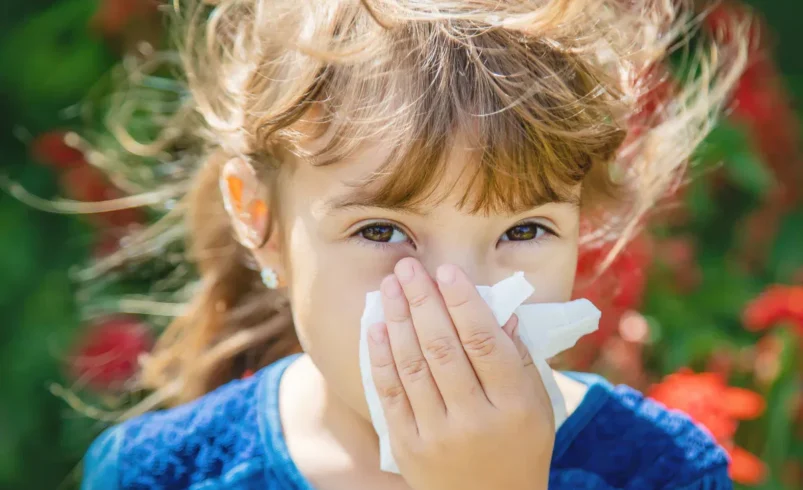
Seasonal allergies often develop when children become sensitive to pollen released by trees, grasses, or weeds.
Typical symptoms include:
- Sneezing
- Runny nose
- Blocked nose
- Itchy eyes
- Watery eyes
- Frequent rubbing of the nose
Symptoms usually become worse during spring and summer when pollen levels are highest.
3. Dust Mite Allergy
Dust mites are tiny organisms that live in mattresses, carpets, pillows, and soft furniture.
Although invisible to the naked eye, they are one of the leading causes of indoor allergies.
Children with dust mite allergies may experience:
- Sneezing every morning
- Stuffy nose
- Persistent cough
- Itchy eyes
- Difficulty sleeping
- Worsening asthma symptoms
Keeping bedrooms clean and reducing dust can help improve symptoms.
4. Pet Allergies
Many children are allergic to proteins found in a pet’s skin flakes, saliva, or urine rather than the animal’s fur itself.
Cats and dogs are the most common sources.
Symptoms include:
- Sneezing
- Red, itchy eyes
- Runny nose
- Skin rash
- Wheezing
- Coughing
Not every child who loves animals develops a pet allergy, but symptoms should be evaluated if they consistently appear after contact with pets.
5. Insect Sting Allergies
Bee and wasp stings usually cause temporary pain and swelling. However, some children experience much stronger allergic reactions.
Warning signs include:
- Large swelling around the sting
- Difficulty breathing
- Swelling of the face or throat
- Dizziness
- Rapid heartbeat
Emergency medical care is necessary if these symptoms occur.
6. Skin Allergies (Eczema and Contact Dermatitis)
Some children develop allergic skin conditions after touching certain materials or using specific skincare products.
Common triggers include:
- Soaps
- Fragrances
- Nickel jewelry
- Certain fabrics
- Cleaning products
Symptoms often include:
- Dry skin
- Red patches
- Itching
- Small blisters
- Cracked skin
Keeping the skin moisturized and avoiding known triggers can reduce flare-ups.
7. Medicine Allergies
Although less common, some children develop allergic reactions to medications.
Possible symptoms include:
- Rash
- Hives
- Swelling
- Fever
- Difficulty breathing
Parents should never stop or restart prescription medication without consulting a healthcare professional.
How Are Childhood Allergies Diagnosed?
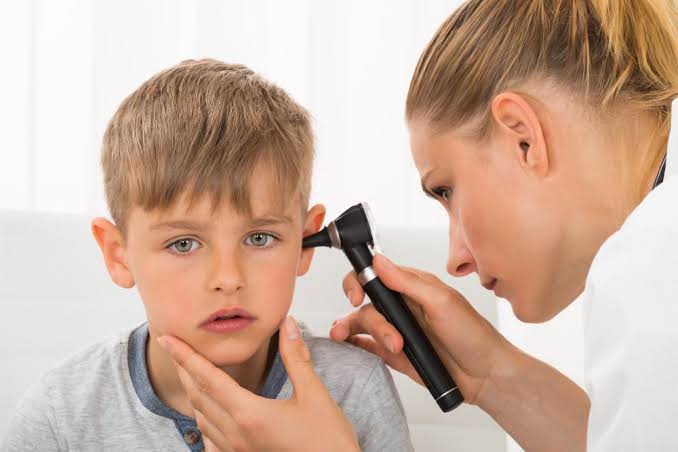
If an allergy is suspected, a healthcare professional may recommend further evaluation.
Diagnosis may include:
- Reviewing your child’s medical history
- Discussing when symptoms occur
- Physical examination
- Skin prick testing
- Blood tests
- Food elimination diets in selected cases
Accurate diagnosis helps identify the specific allergen and avoid unnecessary dietary or lifestyle restrictions.
How Are Allergies Treated?
Treatment depends on the type and severity of the allergy.
Common management options include:
- Avoiding known allergens
- Taking allergy medications when recommended
- Using moisturizing creams for skin allergies
- Carrying emergency medication if prescribed
- Following an allergy action plan at school or daycare
Many children successfully manage allergies and continue to lead active, healthy lives.
Practical Tips for Parents
Simple daily habits can make a big difference.
- Read food labels carefully.
- Inform teachers and caregivers about your child’s allergies.
- Keep emergency medication easily accessible if prescribed.
- Wash hands after outdoor activities during pollen season.
- Vacuum and clean bedrooms regularly.
- Wash bedding in hot water to reduce dust mites.
- Encourage children not to share food at school.
Being prepared helps reduce anxiety and improves safety.
Frequently Asked Questions
Can children outgrow allergies?
Yes. Some allergies, particularly milk and egg allergies, may improve as children grow older. Others, such as peanut or tree nut allergies, are more likely to continue into adulthood.
Are allergies hereditary?
Children are more likely to develop allergies if one or both parents have allergic conditions, although the exact allergy may be different.
Can allergies trigger asthma?
Yes. Allergies are one of the most common triggers for asthma symptoms in children.
When should allergy testing be considered?
Testing may be recommended when symptoms occur repeatedly, interfere with daily life, or if the cause of the reaction is unclear.
Conclusion
Childhood allergies are common, but they do not have to limit a child’s quality of life. Understanding the different types of allergies, recognizing symptoms early, and knowing how to respond can help parents protect their children from avoidable complications.
Whether the trigger is food, pollen, pets, or dust mites, early diagnosis and proper management are the keys to keeping children safe and comfortable. If your child experiences repeated allergic reactions or develops severe symptoms such as breathing difficulties or swelling of the face and throat, seek medical attention immediately. With the right care and support, most children with allergies can enjoy a healthy, active, and fulfilling childhood.