Ear infections are among the most common childhood illnesses and one of the leading reasons parents take their children to the doctor. A child who was happy and active during the day may suddenly wake up at night crying, pulling at their ear, or complaining of pain. While most ear infections improve with proper care, understanding the symptoms and knowing when medical treatment is necessary can help parents respond quickly and confidently.
Children are more likely than adults to develop ear infections because their ears are still developing. Their immune systems are also less experienced at fighting common viruses and bacteria, making infections more frequent during the early years of life.
What Is an Ear Infection?
An ear infection occurs when fluid builds up behind the eardrum and becomes infected by viruses or bacteria. This condition is medically known as acute otitis media.
The middle ear is connected to the back of the throat by a small tube called the Eustachian tube. In children, this tube is shorter and narrower than in adults, making it easier for germs and fluid to become trapped.
This trapped fluid creates pressure behind the eardrum, leading to pain, inflammation, and sometimes temporary hearing problems.
Why Are Ear Infections More Common in Children?
Several factors increase the likelihood of ear infections during childhood.
The most common reasons include:
- Frequent colds and viral infections
- Immature immune systems
- Smaller Eustachian tubes
- Seasonal respiratory infections
- Exposure to cigarette smoke
- Attending daycare or preschool
- Family history of frequent ear infections
Children between 6 months and 3 years of age are generally at the highest risk.
What Are the Symptoms of an Ear Infection?
Symptoms can vary depending on your child’s age.
Older children may tell you that their ear hurts, while babies and toddlers often show other signs.
Common symptoms include:
- Ear pain
- Pulling or rubbing the ear
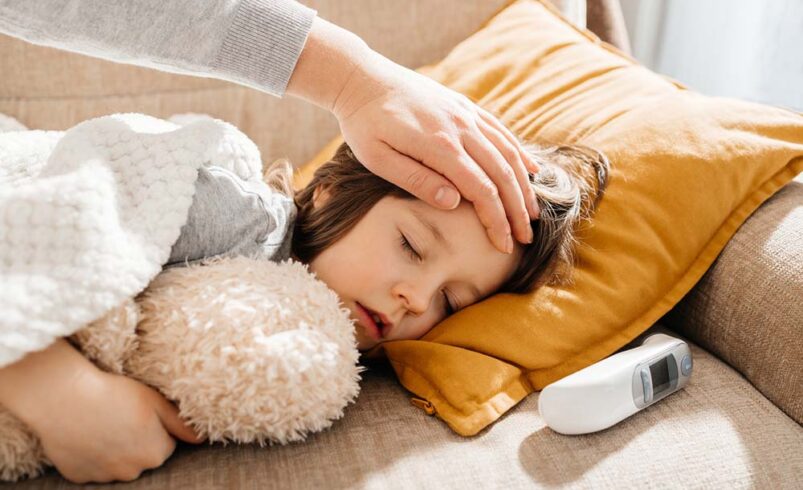
- Fever
- Irritability
- Trouble sleeping
- Crying more than usual
- Reduced appetite
- Difficulty hearing
- Loss of balance
- Fluid draining from the ear
Some children may develop symptoms shortly after recovering from a cold or sore throat.
How Can Parents Tell If Ear Pain Is Serious?
Not every earache is caused by an infection. Sometimes ear discomfort is linked to pressure changes, allergies, or excessive earwax.
However, parents should pay attention if:
- Ear pain becomes severe
- Pain lasts longer than two days
- Fever reaches 39°C or higher
- Fluid or pus comes out of the ear
- Hearing suddenly becomes worse
- The child becomes unusually sleepy or difficult to comfort
Persistent symptoms should always be assessed by a healthcare professional.
How Are Ear Infections Diagnosed?
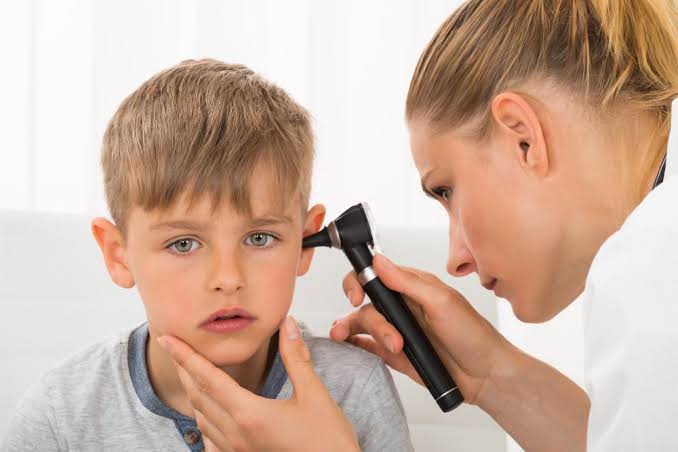
A doctor will usually examine the inside of the ear using an instrument called an otoscope.
This allows them to check for:
- Redness of the eardrum
- Swelling
- Fluid behind the eardrum
- Bulging of the eardrum
- Signs of infection
Most ear infections can be diagnosed during a routine physical examination without additional tests.
How Are Ear Infections Treated?
Treatment depends on your child’s age, symptoms, and the severity of the infection.
Pain Relief
Managing pain is often the first priority. Age-appropriate pain relief medication may help reduce discomfort and improve sleep.
Observation
Many mild ear infections improve naturally within two or three days without antibiotics. Doctors may recommend monitoring symptoms before prescribing medication.
Antibiotics
Antibiotics are usually considered when:
- Symptoms are severe
- Both ears are infected in very young children
- The infection does not improve after a few days
- There is fluid draining from the ear
It is important to complete the full course of antibiotics if they are prescribed.
Can Ear Infections Affect Hearing?
Temporary hearing loss is common while fluid remains trapped behind the eardrum.
In most cases, hearing returns to normal once the infection and fluid have cleared.
However, repeated ear infections over several months may affect hearing for longer periods and could influence speech and language development in younger children. This is why regular medical follow-up is important for children who experience frequent infections.
How Can Parents Help at Home?
Alongside medical advice, parents can help their child recover by:
- Encouraging plenty of fluids
- Allowing extra rest
- Keeping the child’s head slightly elevated during sleep if appropriate
- Following medication instructions carefully
- Monitoring symptoms over the next 24 to 48 hours
Avoid placing cotton buds, oils, or other objects inside the ear unless specifically recommended by a healthcare professional.
Can Ear Infections Be Prevented?
Although not every infection can be avoided, healthy habits can reduce the risk.
Helpful prevention strategies include:
- Keeping childhood vaccinations up to date
- Encouraging regular hand washing
- Avoiding exposure to tobacco smoke
- Breastfeeding infants when possible
- Treating allergies if advised by a doctor
- Limiting contact with people who have respiratory infections
These steps can help reduce the frequency of colds, which are a major trigger for ear infections.
Frequently Asked Questions
Are ear infections contagious?
The infection inside the ear is not contagious, but the cold or virus that caused it can spread from person to person.
Can swimming cause ear infections?
Middle ear infections are usually not caused by swimming. Swimming is more commonly associated with outer ear infections, also known as swimmer’s ear.
How long does an ear infection last?
Many children begin to feel better within two to three days. Complete recovery may take about one week, although fluid behind the eardrum can remain for several weeks.
When should my child return to school?
Children can usually return once they feel well, have no fever, and are comfortable participating in normal activities.
Conclusion
Ear infections are a common part of childhood and are often linked to colds or other respiratory illnesses. While they can cause significant discomfort, most children recover fully with appropriate care and monitoring. Recognizing the early symptoms, providing supportive care at home, and knowing when to seek medical advice can help prevent complications and ensure a faster recovery.
If your child experiences severe pain, persistent fever, fluid draining from the ear, or repeated ear infections, consult a healthcare professional for a thorough evaluation. Early diagnosis and proper treatment can protect your child’s hearing and overall well-being.