As parents, protecting your child’s health is always a top priority. One of the most effective ways to safeguard children against serious infectious diseases is through routine vaccination. Vaccines have helped prevent millions of illnesses worldwide and continue to play a vital role in keeping children healthy throughout every stage of development.
Despite their proven benefits, many parents still have questions about vaccine safety, possible side effects, and whether immunizations are truly necessary. With so much information available online, it can be difficult to separate scientific facts from myths.
Understanding how vaccines work and why they are recommended can help parents make informed decisions that benefit not only their own child but also the wider community.
What Are Vaccines?
Vaccines are medical preparations that help the immune system recognize and fight harmful viruses or bacteria before they cause serious illness.
Instead of causing the disease, vaccines introduce a harmless or weakened part of a germ to the immune system. This allows the body to build protection without the child having to experience the illness itself.
If the child is later exposed to the real infection, the immune system can respond much faster and reduce the risk of severe disease.
Why Are Childhood Vaccinations Important?
Young children have developing immune systems that are still learning how to fight infections.
Vaccinations provide protection against diseases that once caused widespread illness and death, including:
- Measles
- Mumps
- Rubella
- Polio
- Diphtheria
- Tetanus
- Whooping cough (Pertussis)
- Hepatitis B
- Rotavirus
- Pneumococcal disease
By receiving recommended vaccines on time, children are protected during the years when they are most vulnerable.
How Do Vaccines Protect the Community?
Vaccination benefits extend beyond the individual child.
When a large percentage of people are vaccinated, diseases have fewer opportunities to spread. This creates what is known as community immunity (also called herd immunity).
Community immunity helps protect:
- Newborn babies who are too young for certain vaccines
- Children with weakened immune systems
- Individuals undergoing cancer treatment
- Older adults with reduced immunity
High vaccination rates reduce outbreaks and help keep schools and communities safer.
Are Vaccines Safe?
Yes. Vaccines undergo extensive testing before they are approved for public use.
Health authorities continuously monitor vaccine safety through ongoing research and reporting systems.
Most children experience only mild side effects, such as:
- Mild fever
- Redness at the injection site
- Temporary soreness
- Mild tiredness
- Fussiness in infants
These reactions usually disappear within one or two days and indicate that the immune system is responding.
Serious allergic reactions are extremely rare but require immediate medical attention.
Common Myths About Vaccinations
Unfortunately, misinformation has caused unnecessary concern among some parents.
Let’s look at a few common myths.
Myth 1: Vaccines Cause Autism
Extensive scientific research involving millions of children has found no evidence that routine childhood vaccines cause autism.
Myth 2: Natural Infection Is Better
While natural infection can create immunity, it also carries the risk of severe illness, hospitalization, long-term complications, or even death. Vaccination provides protection without exposing children to these dangers.
Myth 3: Too Many Vaccines Overload the Immune System
Children encounter thousands of germs every day. The immune system is capable of responding to multiple vaccines safely and effectively.
What Should Parents Expect After Vaccination?
Most children continue their normal activities shortly after vaccination.
Some temporary reactions may occur, including:
- Slight swelling where the injection was given
- Mild fever
- Sleepiness
- Reduced appetite
- Irritability
These symptoms usually improve without treatment within 24 to 48 hours.
Parents should encourage fluids, monitor their child’s condition, and follow any advice provided by their healthcare professional.
When Should Parents Contact a Doctor?
Although serious complications are uncommon, medical advice should be sought if your child:
- Has a very high fever
- Experiences difficulty breathing
- Develops widespread swelling
- Has a seizure
- Cries continuously for several hours
- Appears unusually sleepy or difficult to wake
- Develops symptoms that continue for several days
Prompt medical evaluation helps rule out rare complications and provides reassurance.
How Can Parents Prepare Their Child for Vaccination?
Children often feel anxious before receiving an injection.
Parents can make the experience easier by:
- Explaining the visit using simple, reassuring language
- Remaining calm themselves
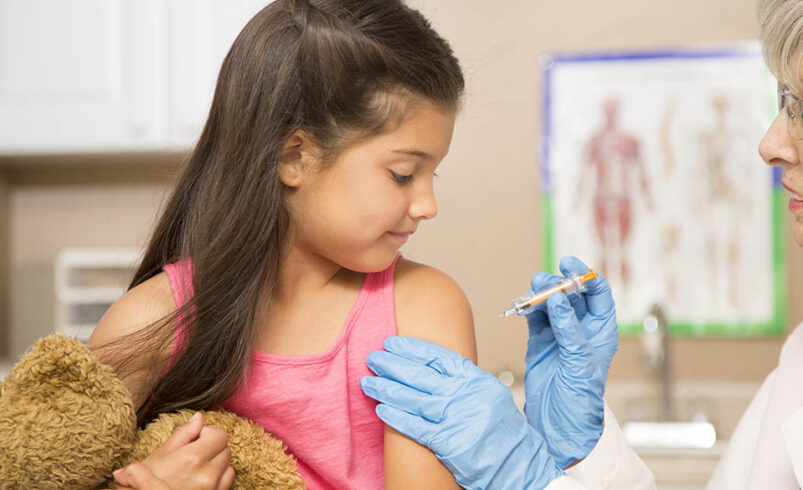
- Bringing a favourite toy or comfort item
- Holding younger children during the vaccination if appropriate
- Offering praise after the appointment
A positive experience can reduce fear during future vaccinations.
Keeping Track of Vaccination Records
Maintaining accurate vaccination records is important throughout childhood.
These records may be required for:
- School enrolment
- International travel
- Sports participation
- Medical appointments
Parents should store vaccination documents safely and update them after every immunization.
Frequently Asked Questions
Can my child receive multiple vaccines on the same day?
Yes. Healthcare professionals often recommend giving several vaccines during the same visit because it is safe and provides timely protection.
What happens if a vaccine is delayed?
Missing a scheduled vaccination does not usually mean the series must start again. A healthcare provider can advise on a catch-up schedule.
Can my child be vaccinated if they have a mild cold?
In many cases, yes. Mild illnesses without a high fever usually do not prevent vaccination. Parents should always follow medical advice.
Do vaccinated children still need regular health check-ups?
Absolutely. Vaccinations protect against specific diseases but do not replace routine medical examinations, healthy nutrition, or regular developmental assessments.
Conclusion
Childhood vaccinations remain one of the greatest achievements in modern medicine. They have dramatically reduced the spread of many dangerous diseases and continue to protect millions of children every year. By following recommended vaccination schedules, parents can help ensure their children grow up healthier and better protected against preventable illnesses.
While mild side effects are common, serious reactions are extremely rare. Staying informed through trusted healthcare professionals and reliable medical information is the best way to make confident decisions about your child’s health. Vaccination is not only an investment in your own child’s future but also an important contribution to the health and safety of the entire community.