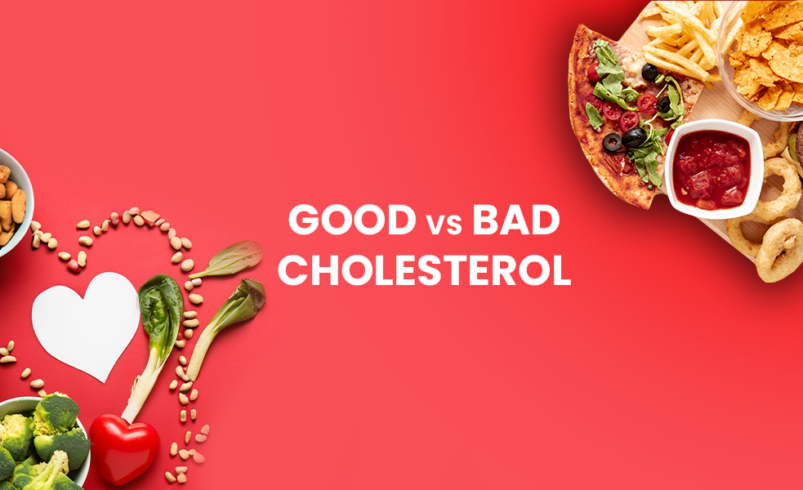
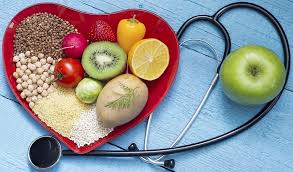
Cholesterol is often viewed as something harmful, but the truth is more complex. Your body actually needs cholesterol to build healthy cells, produce hormones, and make vitamin D. Problems arise when cholesterol levels become too high or when the balance between different types of cholesterol is unhealthy.
High cholesterol usually develops without noticeable symptoms, making regular health screenings essential. If left untreated, it can lead to plaque buildup inside the arteries, increasing the risk of heart attacks, strokes, and other cardiovascular diseases.
In this guide, you’ll learn what cholesterol is, the difference between good and bad cholesterol, healthy cholesterol levels, and practical steps to improve your heart health.
What Is Cholesterol?
Cholesterol is a waxy, fat-like substance found in every cell of the body.
Your body gets cholesterol from two main sources:
- The liver, which naturally produces cholesterol
- Foods from animal sources, such as meat, eggs, butter, and full-fat dairy products
Because cholesterol cannot travel through the bloodstream on its own, it is carried by proteins called lipoproteins.
The two most important types are:
- Low-Density Lipoprotein (LDL)
- High-Density Lipoprotein (HDL)
What Is LDL (Bad Cholesterol)?
LDL, or Low-Density Lipoprotein, is often called “bad cholesterol.”
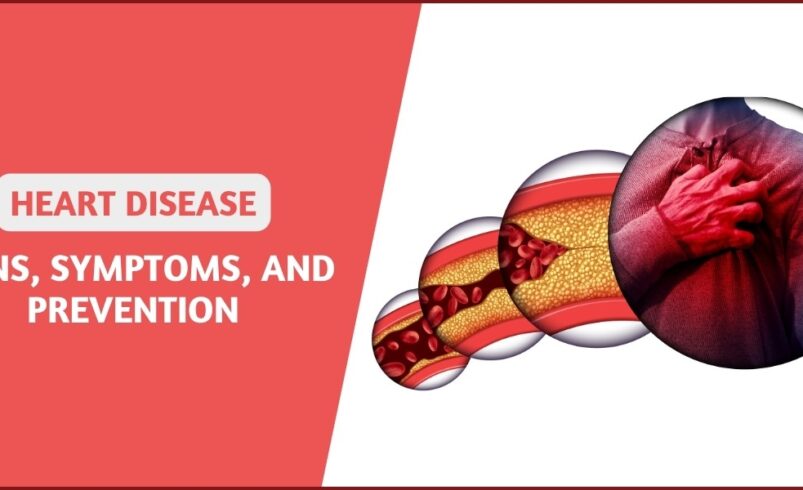
When LDL levels become too high, cholesterol begins to accumulate inside the walls of arteries.
Over time, this buildup forms plaques that:
- Narrow the arteries
- Reduce blood flow
- Increase blood pressure
- Raise the risk of heart attack
- Raise the risk of stroke
Keeping LDL cholesterol within a healthy range is one of the most important ways to protect your heart.
What Is HDL (Good Cholesterol)?
HDL, or High-Density Lipoprotein, is known as “good cholesterol.”
Its role is to remove excess cholesterol from the bloodstream and transport it back to the liver, where it is processed and removed from the body.
Higher HDL levels are generally associated with a lower risk of cardiovascular disease.
Healthy lifestyle habits such as regular exercise and avoiding smoking can help improve HDL levels.
What Are Triglycerides?
Triglycerides are another type of fat found in the blood.
After you eat, your body converts excess calories into triglycerides for future energy.
High triglyceride levels, especially when combined with high LDL and low HDL, can significantly increase the risk of heart disease.
Why Is High Cholesterol Dangerous?
High cholesterol itself usually causes no symptoms.
However, over time it can contribute to atherosclerosis, a condition in which plaque builds up inside the arteries.
This can lead to:
- Heart attack
- Stroke
- Peripheral artery disease
- Reduced blood flow to organs
- Chronic kidney disease in some cases
Regular cholesterol testing helps identify problems before complications occur.
Common Risk Factors for High Cholesterol
Several factors increase the likelihood of developing unhealthy cholesterol levels.
These include:
- Diet high in saturated fat
- Trans fats
- Obesity
- Physical inactivity
- Smoking
- Excessive alcohol intake
- Diabetes
- Chronic kidney disease
- Family history of high cholesterol
- Increasing age
Many people have more than one contributing factor.
Healthy Cholesterol Levels
Your healthcare provider may evaluate several cholesterol measurements, including:
- Total cholesterol
- LDL (bad cholesterol)
- HDL (good cholesterol)
- Triglycerides
The ideal target values vary depending on your age, medical history, and overall cardiovascular risk. Your healthcare provider can help determine the appropriate goals for you.
How Is High Cholesterol Diagnosed?
High cholesterol is diagnosed with a simple blood test called a lipid profile or lipid panel.
The test usually measures:
- Total cholesterol
- LDL cholesterol
- HDL cholesterol
- Triglycerides
Adults should discuss with their healthcare provider how often cholesterol testing is appropriate based on individual risk factors.
How to Lower Bad Cholesterol Naturally
Many people can improve their cholesterol levels through healthy lifestyle changes.
Eat More Heart-Healthy Foods
Choose foods such as:
- Oats
- Whole grains
- Beans
- Lentils
- Fruits
- Vegetables
- Nuts
- Seeds
- Olive oil
- Fatty fish
These foods provide fiber and healthy fats that support cardiovascular health.
Reduce Saturated and Trans Fats
Limit foods such as:
- Fried foods
- Processed snacks
- Fatty cuts of meat
- Butter
- Full-fat dairy products
- Commercial baked goods
Replacing these with healthier alternatives may help lower LDL cholesterol.
Exercise Regularly
Aim for at least 150 minutes of moderate-intensity exercise each week.
Regular physical activity helps lower LDL cholesterol while increasing HDL cholesterol.
Maintain a Healthy Weight
Losing excess body weight often improves cholesterol levels and reduces cardiovascular risk.
Avoid Smoking
Quitting smoking improves HDL cholesterol and supports healthier blood vessels.
When Are Cholesterol-Lowering Medications Needed?
Lifestyle changes remain the first step for many people.
However, medication may be recommended if:
- LDL cholesterol remains high
- You already have heart disease
- You have diabetes
- You have multiple cardiovascular risk factors
- You have inherited high cholesterol
Always take prescribed medication exactly as directed by your healthcare provider.
Frequently Asked Questions
Can you have high cholesterol without symptoms?
Yes. High cholesterol is often called a “silent condition” because it usually causes no noticeable symptoms until complications develop.
Which foods increase good cholesterol?
Healthy fats from olive oil, nuts, seeds, avocados, and fatty fish, along with regular exercise, may help improve HDL cholesterol.
Is cholesterol found only in overweight people?
No. People with a healthy body weight can also develop high cholesterol due to genetics, diet, age, or underlying medical conditions.
How often should cholesterol be checked?
The frequency depends on your age, risk factors, and medical history. Your healthcare provider can recommend an appropriate screening schedule.
Conclusion
Cholesterol plays an essential role in maintaining normal body functions, but unhealthy cholesterol levels can significantly increase the risk of heart disease and stroke. Understanding the difference between LDL (bad cholesterol) and HDL (good cholesterol) allows you to make informed decisions about your health.
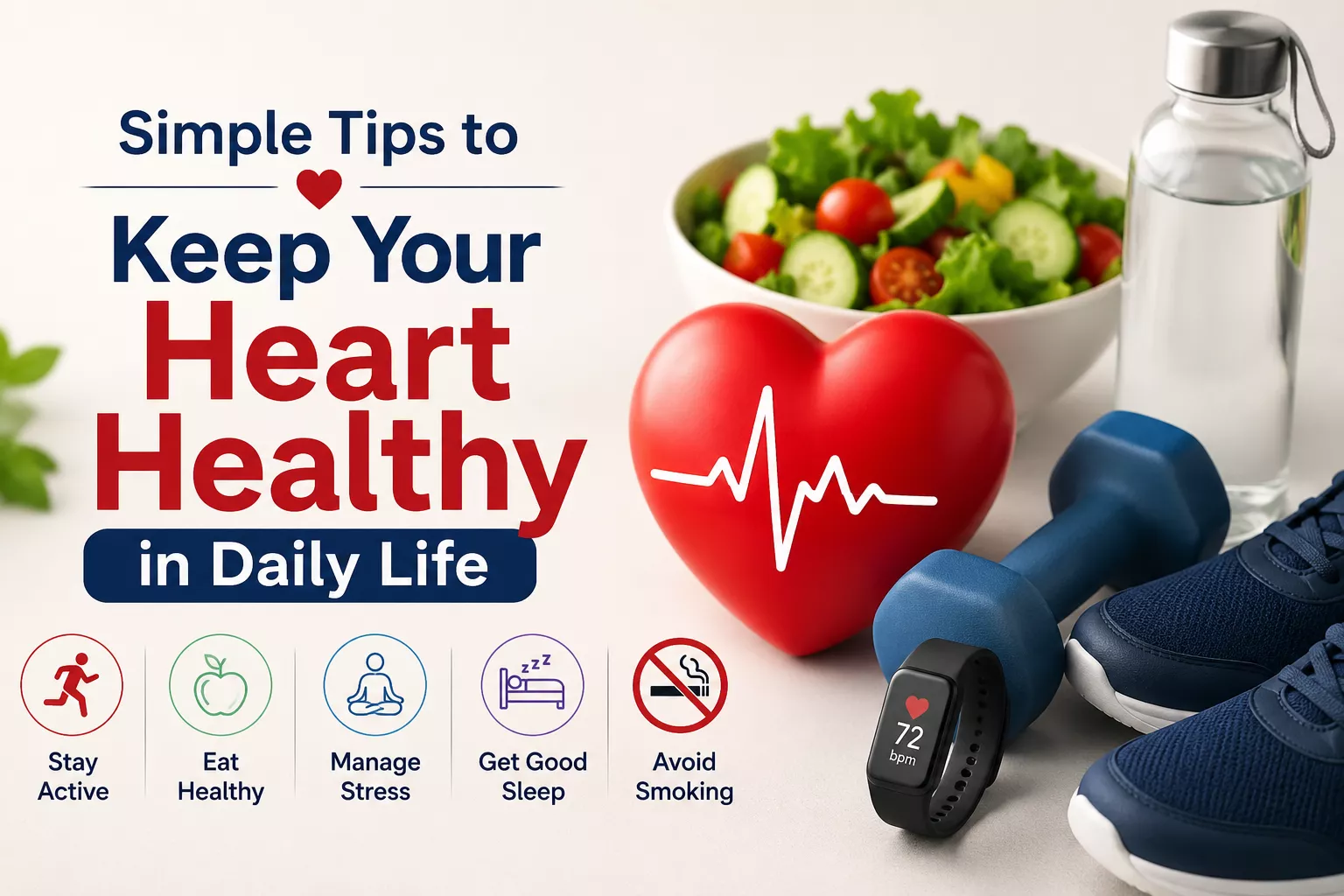
Regular cholesterol screening, eating a balanced diet, staying physically active, maintaining a healthy weight, and avoiding smoking are some of the most effective ways to support healthy cholesterol levels. If lifestyle changes are not enough, appropriate medical treatment can further reduce cardiovascular risk and help protect your long-term heart health.