Medicines play an essential role in treating illnesses, relieving symptoms, and improving quality of life. However, taking medication incorrectly can sometimes cause more harm than good. Every year, thousands of people experience avoidable side effects, allergic reactions, or drug interactions because important safety steps were overlooked.
Whether you’re taking a prescription medicine, buying an over-the-counter pain reliever, or using herbal supplements, understanding how to use medicines safely is one of the best ways to protect your health.
Before swallowing your next tablet or capsule, take a few minutes to go through these important medication safety checks.
✅ Safety Check #1: Know Why You’re Taking the Medicine
Never take a medication simply because someone recommended it or because you used it years ago.
Ask yourself:
- What condition is this medicine treating?
- Is it relieving symptoms or treating the cause?
- How long should I take it?
Knowing the purpose helps you understand whether the medicine is working as expected.
✅ Safety Check #2: Read the Patient Information Leaflet
Many people throw away the leaflet inside the medicine box.
Don’t.
It contains valuable information about:
- How to take the medicine
- Possible side effects
- Storage instructions
- Drug interactions
- Warnings and precautions
Even if you’ve taken the medicine before, updated safety information may have been added.
✅ Safety Check #3: Take the Correct Dose
Taking more medicine does not mean faster recovery.
Likewise, taking less than recommended may reduce its effectiveness.
Always follow:
- Your doctor’s instructions
- The pharmacist’s advice
- The dosage printed on the medicine label
If you accidentally miss a dose, never double the next one unless specifically advised by a healthcare professional.
✅ Safety Check #4: Check for Allergies
Before starting any new medication, make sure you know whether you’ve previously experienced:
- Skin rash
- Swelling
- Difficulty breathing
- Severe itching
- Facial swelling
If you’ve had an allergic reaction to a medicine in the past, tell your healthcare provider before taking a similar medication.
✅ Safety Check #5: Tell Your Doctor About Every Medicine You Use
Many people forget to mention:
- Vitamins
- Herbal supplements
- Painkillers
- Sleeping tablets
- Allergy medicines
- Traditional remedies
Even non-prescription products can interact with prescription medicines.
Keeping an up-to-date medication list can help healthcare professionals provide safer treatment.
✅ Safety Check #6: Don’t Share Medicines
A medicine that works well for someone else may not be appropriate—or safe—for you.
Avoid taking medicines prescribed for:
- Family members
- Friends
- Neighbors
- Coworkers
Different health conditions, allergies, and medical histories can make the same medicine suitable for one person but risky for another.
✅ Safety Check #7: Follow Food Instructions Carefully
Some medicines work best:
- Before meals
- After meals
- On an empty stomach
- With plenty of water
Ignoring these instructions may reduce effectiveness or increase the chance of stomach irritation.
Always check the label or ask your pharmacist if you’re unsure.
✅ Safety Check #8: Watch for Side Effects
Every medicine has the potential to cause side effects, although many people experience none.
Common mild side effects may include:
- Headache
- Nausea
- Dizziness
- Mild stomach discomfort
- Sleepiness
Seek immediate medical attention if you develop:
- Difficulty breathing
- Severe swelling
- Chest pain
- Sudden rash
- Loss of consciousness
Never ignore symptoms that appear shortly after starting a new medicine.
✅ Safety Check #9: Store Medicines Properly
Incorrect storage may reduce a medicine’s effectiveness.
General storage tips include:
- Keep medicines in their original packaging.
- Store them away from direct sunlight.
- Keep them in a cool, dry place unless instructed otherwise.
- Keep medicines out of reach of children and pets.
Some medicines require refrigeration, while others should never be frozen.
✅ Safety Check #10: Never Stop Long-Term Medicines Suddenly
Certain medicines should only be stopped under medical supervision.
Examples include medications used for:
- High blood pressure
- Depression
- Epilepsy
- Asthma
- Heart disease
Stopping treatment suddenly may worsen the underlying condition or cause withdrawal symptoms.
✅ Safety Check #11: Check the Expiry Date
Expired medicines may:
- Lose effectiveness
- Become chemically unstable
- Fail to treat the condition properly
Before taking any medication, quickly check:
- Expiry date
- Packaging condition
- Signs of damage
If the medicine looks unusual or has expired, consult your pharmacist before using it.
✅ Safety Check #12: Ask Questions If You’re Unsure
No question is too small when it comes to medication safety.
Consider asking your healthcare provider:
- What should I do if I miss a dose?
- Are there foods I should avoid?
- Can I drink alcohol while taking this medicine?
- Will it affect driving or operating machinery?
- Can I take it with my current medications?
Understanding your treatment helps you use medicines safely and confidently.
Common Medication Mistakes to Avoid
Many medication-related problems happen because of simple errors.
Avoid these common mistakes:
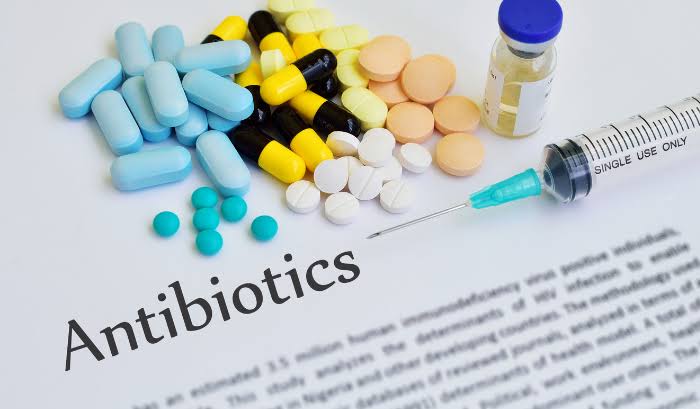
- Taking antibiotics for viral infections.
- Crushing tablets that should be swallowed whole.
- Using someone else’s prescription.
- Ignoring possible side effects.
- Mixing medicines without professional advice.
- Taking expired medication.
- Stopping treatment too early without medical advice.
Small mistakes can sometimes lead to serious health consequences.
Your Medication Safety Checklist
Before taking any medicine, ask yourself:
- Do I know why I’m taking it?
- Am I taking the correct dose?
- Have I checked for allergies?
- Am I following food instructions?
- Have I checked the expiry date?
- Do I know the possible side effects?
- Have I informed my doctor about all my medicines and supplements?
If you answered “yes” to all of these questions, you’re taking an important step toward safer medication use.
Frequently Asked Questions
Can I stop taking medicine once I feel better?
Not always. Some medicines, especially antibiotics and treatments for long-term conditions, should be taken exactly as prescribed. Always follow your healthcare provider’s advice.
Is it safe to take vitamins with prescription medicines?
Some vitamins and supplements may interact with medications. Inform your healthcare provider about everything you take, including herbal products.
Can I take medication with coffee?
Some medicines may interact with caffeine or become less effective when taken with coffee. Water is generally the safest choice unless your healthcare provider advises otherwise.
What should I do if I accidentally miss a dose?
The correct action depends on the medication. Read the patient information leaflet or contact your pharmacist or healthcare provider for advice. Avoid taking a double dose unless specifically instructed.
Final Thoughts
Taking medicine safely is about more than simply following a prescription. It requires understanding why you’re taking the medication, using the correct dose, being aware of possible side effects, and knowing when to seek professional advice. Simple habits such as reading the patient information leaflet, checking expiry dates, storing medicines correctly, and informing your healthcare provider about all medicines and supplements you use can greatly reduce the risk of medication-related problems.
Whether you’re treating a short-term illness or managing a long-term condition, informed medication use helps improve treatment outcomes and supports your overall health. Whenever you have questions or concerns about a medicine, don’t hesitate to speak with your pharmacist or healthcare provider before making any changes to your treatment.