The First 30 Days After Treatment: A Week-by-Week Recovery Roadmap
- July 25, 2026
- 0
Completing a medical treatment or returning home after a procedure is an important milestone, but it is usually not the end of the healing process. The first month

Completing a medical treatment or returning home after a procedure is an important milestone, but it is usually not the end of the healing process. The first month
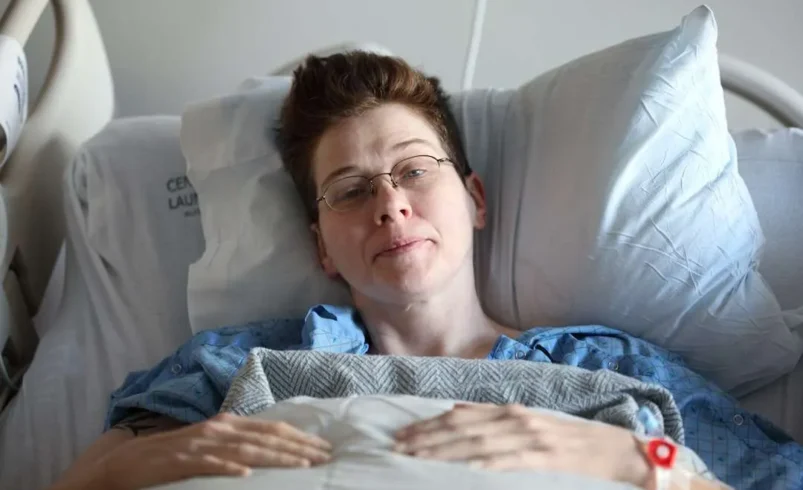
Completing a medical treatment or returning home after a procedure is an important milestone, but it is usually not the end of the healing process. The first month is often when your body repairs itself, adjusts to medication, and gradually regains strength.
Recovery is different for everyone. Factors such as age, general health, the type of treatment received, and any underlying medical conditions all influence how quickly healing takes place.
Rather than wondering what each day should look like, it can be helpful to understand recovery as a series of stages. This roadmap explains what many patients commonly experience during the first 30 days and how to support your body throughout the journey.
The first week is usually focused on allowing your body to begin healing.
Depending on your treatment, you may notice:
These experiences are often expected, but always follow the guidance provided by your healthcare team.
Allow your body to recover without rushing back into normal activities.
Many people begin feeling slightly better during the second week.
You may notice:
However, feeling better does not necessarily mean your body has fully healed.
Increase activity gradually without overexerting yourself.
By the third week, many people start resuming parts of their normal routine.
You might be able to:
Remember that recovery is not a competition.
If your body signals that it needs rest, listen to it.
Continue to:
Improve endurance while respecting your body’s limits.
After four weeks, many patients notice significant progress.
Your healthcare provider may:
Some conditions recover completely within a month, while others require ongoing treatment or rehabilitation.
Focus on maintaining healthy habits rather than rushing back to your previous lifestyle.
Use this simple checklist once a week.
| Question | Yes | No |
|---|---|---|
| Am I feeling stronger than last week? | ☐ | ☐ |
| Am I sleeping well? | ☐ | ☐ |
| Am I eating regular meals? | ☐ | ☐ |
| Am I taking my medication correctly? | ☐ | ☐ |
| Have I attended my follow-up appointments? | ☐ | ☐ |
| Have my symptoms improved? | ☐ | ☐ |
Tracking your progress helps you recognize improvements that may otherwise go unnoticed.
Although every recovery is unique, positive signs often include:
These changes often happen gradually rather than all at once.
Some everyday habits may slow healing.
Try to avoid:
Replacing unhealthy habits with supportive ones gives your body a better chance to recover.
Contact your healthcare provider promptly if you experience:
Prompt medical assessment can help identify complications early.
Healing also involves your emotional well-being.
Many patients experience:
Talking openly with family members, friends, or healthcare professionals can provide valuable support during recovery.
Fatigue is common after many illnesses, surgeries, and medical treatments. Recovery takes time, and energy levels usually improve gradually.
Yes. Recovery often progresses in stages, and temporary setbacks do not necessarily mean something is wrong.
This depends on your diagnosis and treatment. Follow the recommendations provided by your healthcare provider before resuming strenuous physical activity.
Absolutely. Regular exercise, balanced nutrition, good sleep, and routine medical check-ups remain important even after recovery is complete.
The first month after treatment is often a period of steady progress rather than dramatic overnight improvements. Some days will feel easier than others, and that’s a normal part of healing. By following your treatment plan, attending follow-up appointments, eating well, staying active within your limits, and paying attention to warning signs, you give your body the best opportunity to recover successfully.
Instead of comparing your progress with someone else’s, focus on your own small improvements each week. Recovery is measured by consistent progress—not by speed.