Simple Daily Habits That Promote Better Child Health
- August 21, 2026
- 0
The good health of children depends on many little things. Simple habits such as a healthy meal, sufficient sleep, active play and consistent routines can be a long-term

The good health of children depends on many little things. Simple habits such as a healthy meal, sufficient sleep, active play and consistent routines can be a long-term
The good health of children depends on many little things. Simple habits such as a healthy meal, sufficient sleep, active play and consistent routines can be a long-term influence on a child’s development and well-being.
Children don’t need a perfect daily routine. More important than that is to have healthy habits you can maintain. A supportive home environment also helps children to develop these habits naturally.
Good nutrition is important for children to grow up. Growing children need various nutrients for bones, muscles, brain development and normal body functions.
Meals can consist of different vegetables, fruits, whole grains, protein foods and sources of healthy fats . Water is usually okay as an everyday drink, but highly processed snacks and sugary drinks should be occasional.
Eating habits can change with age, too. Appetite may be greater in times of rapid growth and less at other times. Often, it’s more helpful to look at overall eating patterns rather than one meal.
Sleep is more than a time to rest. It encourages physical development, learning, memory and control of emotions. A regular bedtime and quiet evening routine can help children settle more easily. A comfortable sleep environment and regular sleep schedule may also help improve quality of sleep.
How much sleep you need depends on your age. Younger children tend to need more sleep than older children so routines should be appropriate to the developmental stage of the child.
Physical activity helps children build strong bones, coordination, and strength. It can also support mood, concentration and general fitness.
Movement does not have to be organized sport all the time,’ Running, cycling, walking, dancing, outdoor games and active play can all count as valuable physical activity.
We spend so much of our day sitting and studying or looking at digital devices, so it’s especially important to move regularly.
Practicing simple hygiene can help in reducing the spread of many common infections. One of the most helpful habits is to wash your hands often, especially before you eat, after you use the toilet or after you have been in public places.
Other important parts of everyday hygiene are brushing teeth regularly, bathing when necessary, keeping nails clean and covering coughs and sneezes.
The easier way to keep these habits is to have them as part of the normal daily routine instead of treating them as a punishment or chore.
The health of children is more than just physical development. Also a big part of it is mental health.
Changes in mood, behavior, sleep or eating patterns can sometimes indicate that a child is under stress or having difficulty. A quiet environment, regular routines and supportive communication can promote children’s sense of security.
Playing and relaxing time is also important. “Children need the opportunity to have fun, and not have every moment of their day filled with school, activities or performance.
Do not ignore persistent or significant changes in behavior. Further support may be needed and this can be determined by a pediatrician or qualified health care professional.
Digital devices can be useful for learning and communication, but too much screen time can interfere with sleep, physical activity and other important elements of childhood.
You can create firm routines to help control screen habits. Taking regular breaks, eating away from screens and ensuring devices are out of the bedroom can help create a healthier balance.
Technology does not have to be eliminated altogether. A better approach is to ensure that digital activities do not supplant sleep, movement, social interaction or other important experiences.
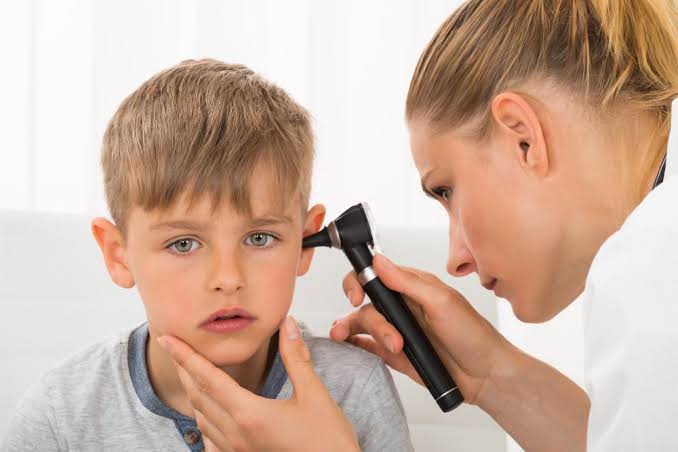
Healthy habits at home are important but do not substitute professional healthcare. Regular visits with your health care provider and dentist can track growth and development and detect concerns early.
Vaccinations, age-appropriate health screenings and professional advice should be guided by the recommendations of qualified healthcare professionals and local health authorities.

It is seldom a single big change that causes healthy childhood development. It is usually the result of many everyday habits, repeated over time.
Good nutrition, plenty of sleep, regular physical activity, good hygiene, emotional support, and appropriate health care can combine to give a strong foundation for healthy development.
Each child is unique and their health needs may change as they grow and develop and also because of their own personal circumstances. If you are concerned about growth, nutrition, sleep, behavior or development you should always seek professional medical advice.