Your heart rate is one of the easiest health indicators to measure, yet many people don’t know what their numbers actually mean. Whether you’re checking your pulse after exercise, using a smartwatch, or having a routine medical examination, understanding your heart rate can provide valuable insights into your overall cardiovascular health.
A heart rate that is consistently too high or too low doesn’t always indicate a serious problem, but in some cases it may signal an underlying heart condition that requires medical attention.
This guide explains what a healthy resting heart rate looks like, what influences it, and when it’s time to speak with a healthcare professional.
First Things First: What Is Heart Rate?
Heart rate refers to the number of times your heart beats in one minute (BPM).
Your heart rate changes throughout the day depending on your body’s needs.
For example:
- It slows while you sleep.
- It increases during exercise.
- It rises during stress or excitement.
- It may increase during illness or fever.
The most useful measurement for assessing heart health is your resting heart rate, which is measured when you are relaxed and inactive.
What Is Considered a Normal Resting Heart Rate?
For most healthy adults:
Normal resting heart rate: 60–100 beats per minute (BPM)
However, what’s “normal” varies from person to person.
Many physically active adults and endurance athletes may naturally have a resting heart rate between 40 and 60 BPM without any health concerns.
The key is understanding what is normal for your own body.
What Can Affect Your Heart Rate?
Your pulse isn’t fixed—it changes throughout the day.
Several factors can influence your heart rate, including:
- Age
- Physical fitness
- Stress and anxiety
- Caffeine intake
- Smoking
- Alcohol
- Fever
- Dehydration
- Certain medications
- Thyroid disorders
Because so many factors can affect heart rate, one isolated reading usually doesn’t tell the full story.
How to Check Your Heart Rate at Home
Checking your pulse only takes a minute.
Method 1: Use Your Wrist
Place two fingers on the thumb side of your wrist until you feel your pulse.
Count the beats for 30 seconds and multiply by two.
Method 2: Check Your Neck
Place two fingers beside your windpipe under your jawline.
Again, count the beats for 30 seconds and multiply by two.
Many smartwatches and fitness trackers can also monitor heart rate throughout the day, although they should not replace medical evaluation when symptoms are present.
When Your Heart Rate Is Faster Than Normal
A resting heart rate consistently above 100 BPM is known as tachycardia.
Possible causes include:
- Stress
- Anxiety
- Fever
- Dehydration
- Excess caffeine
- Smoking
- Anemia
- Hyperthyroidism
- Heart rhythm disorders
Some temporary increases are completely normal, especially during exercise or emotional stress.
Persistent tachycardia, however, should be evaluated by a healthcare professional.
When Your Heart Rate Is Slower Than Normal
A resting heart rate below 60 BPM is called bradycardia.
In healthy athletes, this may simply reflect excellent cardiovascular fitness.
In other people, bradycardia may result from:
- Heart conduction problems
- Certain medications
- Thyroid disorders
- Electrolyte imbalances
- Aging-related changes
If a slow heart rate is accompanied by dizziness, fainting, or fatigue, medical attention is important.
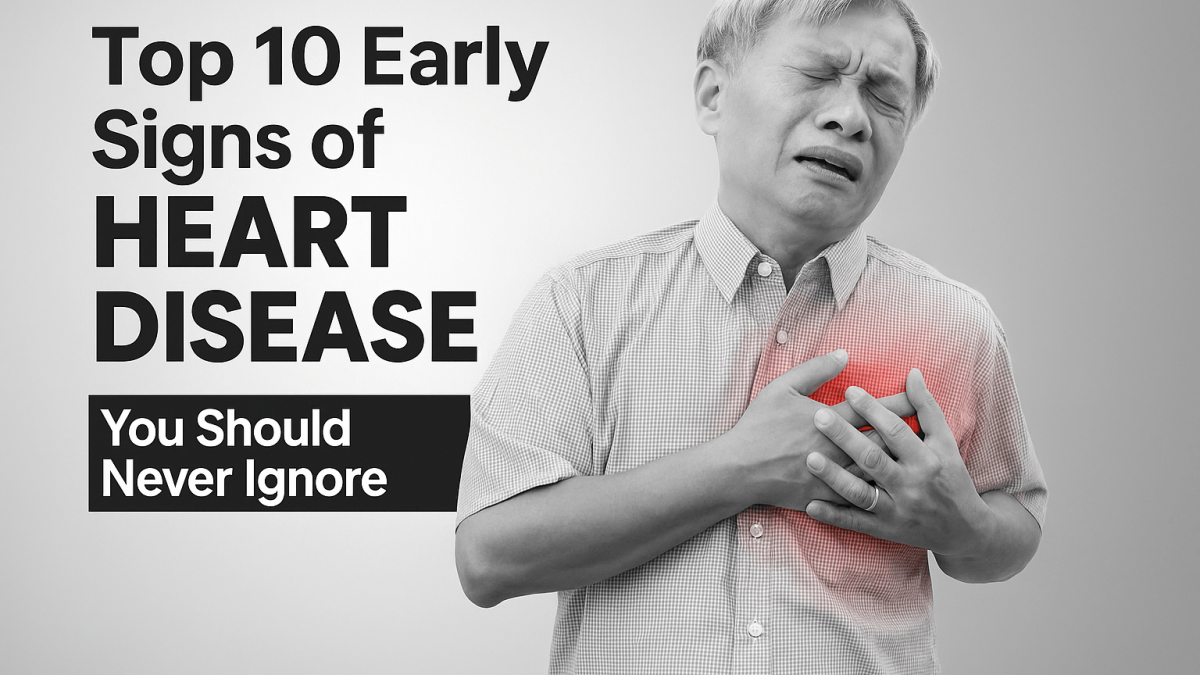
Warning Signs You Should Never Ignore
Seek medical advice if you experience:
- Heart palpitations
- Chest pain
- Frequent dizziness
- Fainting
- Severe shortness of breath
- An irregular heartbeat
- Sudden weakness
- Persistent fatigue with an unusually slow or fast pulse
These symptoms may indicate an underlying cardiovascular condition requiring prompt evaluation.
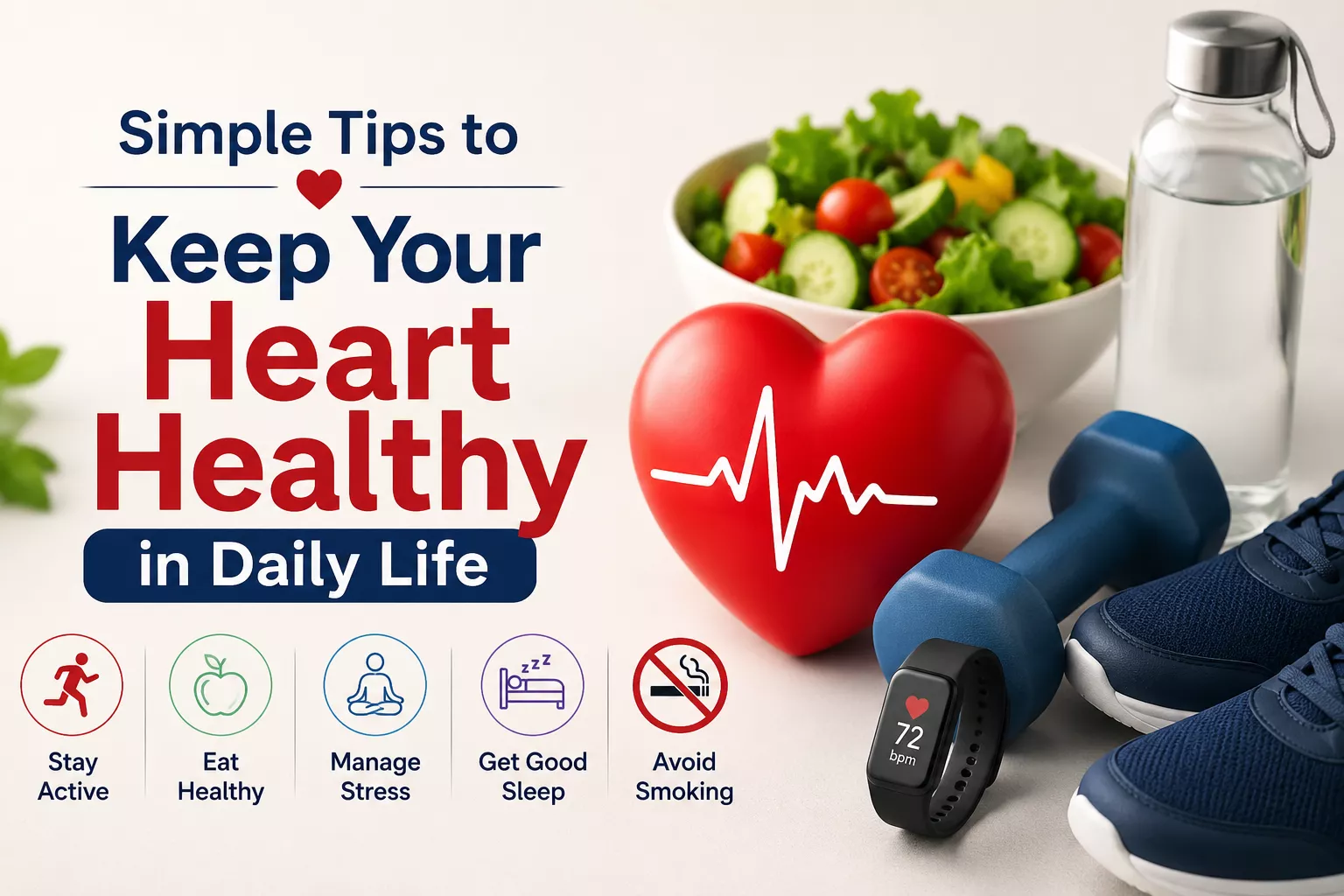
Everyday Habits That Support a Healthy Heart Rate
A healthy lifestyle often helps maintain a normal resting heart rate.
Consider these habits:
Stay Physically Active
Regular aerobic exercise strengthens the heart, allowing it to pump blood more efficiently.
Manage Stress
Meditation, breathing exercises, yoga, and spending time outdoors may help reduce stress-related increases in heart rate.
Sleep Well
Aim for 7–9 hours of quality sleep every night.
Poor sleep can contribute to increased heart rate and higher cardiovascular risk.
Drink Enough Water
Dehydration causes the heart to work harder, often increasing your pulse.
Limit Excess Caffeine
Large amounts of caffeine may temporarily raise heart rate in sensitive individuals.
Avoid Smoking
Smoking increases heart rate and damages blood vessels, placing additional strain on the cardiovascular system.
Myth vs. Reality
Myth: A lower heart rate is always healthier.
Reality: A lower resting heart rate can indicate good fitness, but if it’s accompanied by symptoms like fainting or dizziness, it may require medical evaluation.
Myth: A fast heartbeat always means heart disease.
Reality: Stress, exercise, caffeine, dehydration, and fever can all temporarily increase heart rate without indicating a heart condition.
Myth: Smartwatch readings are always 100% accurate.
Reality: Wearable devices are useful for tracking trends but should not replace professional medical assessment when symptoms occur.
Frequently Asked Questions
Does age affect resting heart rate?
Yes. Heart rate patterns can change with age, although the normal resting range for adults generally remains between 60 and 100 BPM.
Can anxiety increase heart rate?
Yes. Anxiety activates the body’s stress response, often causing a temporary increase in heart rate.
Is it normal for heart rate to increase during exercise?
Absolutely. Your heart beats faster during physical activity to deliver more oxygen to working muscles.
Should I check my heart rate every day?
If you have heart disease, high blood pressure, or another medical condition, your healthcare provider may recommend regular monitoring. Otherwise, occasional checks are usually sufficient for healthy adults.
The Bottom Line
Your resting heart rate is a simple but valuable indicator of cardiovascular health. While a normal range for most adults is between 60 and 100 beats per minute, your personal baseline is influenced by factors such as age, fitness level, stress, and overall health.
Rather than focusing on a single number, pay attention to long-term trends and any accompanying symptoms. Maintaining a healthy lifestyle, staying active, managing stress, getting enough sleep, and attending regular health check-ups can all support a healthier heart. If you notice persistent changes in your heart rate or experience concerning symptoms, consult a healthcare professional for a proper evaluation.