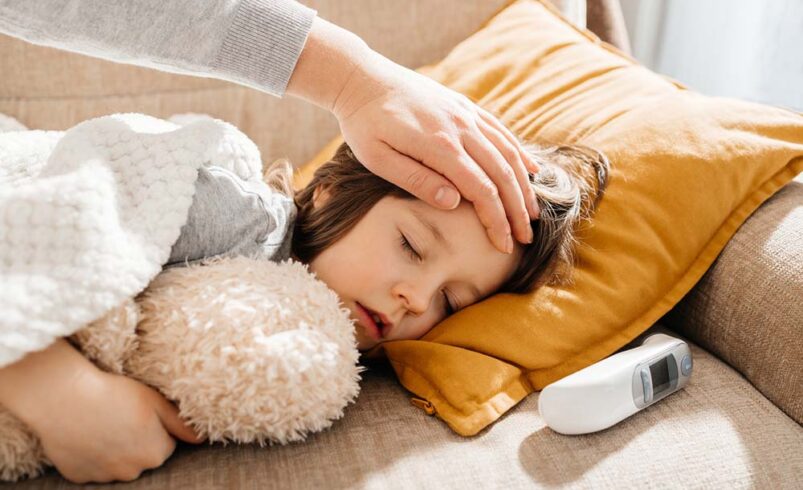
A fever is one of the most common reasons parents become concerned about their child’s health. It often appears suddenly, especially during the evening or at night, leaving many parents wondering whether they should visit a doctor immediately or simply monitor their child at home.
The reassuring news is that a fever is not usually a disease itself. Instead, it is the body’s natural defense mechanism against infections. In many cases, a fever means your child’s immune system is working properly to fight viruses or bacteria.
However, there are situations where a fever should not be ignored. Understanding the warning signs can help you make the right decision while avoiding unnecessary panic.
What Is Considered a Fever in Children?
A normal body temperature varies slightly from child to child, but it generally ranges between 36.5°C and 37.5°C.
A fever is usually defined as:
- 38°C or higher when measured rectally or with an ear thermometer
- Around 37.8°C or higher when measured under the arm
Keep in mind that body temperature naturally changes throughout the day. It may be slightly higher during the afternoon and evening and lower in the early morning.
The number on the thermometer is important, but your child’s overall behavior often provides a better indication of how serious the illness may be.
Why Do Children Develop Fevers?
A fever is the body’s way of responding to infections. When germs enter the body, the immune system raises the body temperature to help slow the growth of harmful microorganisms.
Common causes of fever include:
- Common cold
- Influenza (flu)
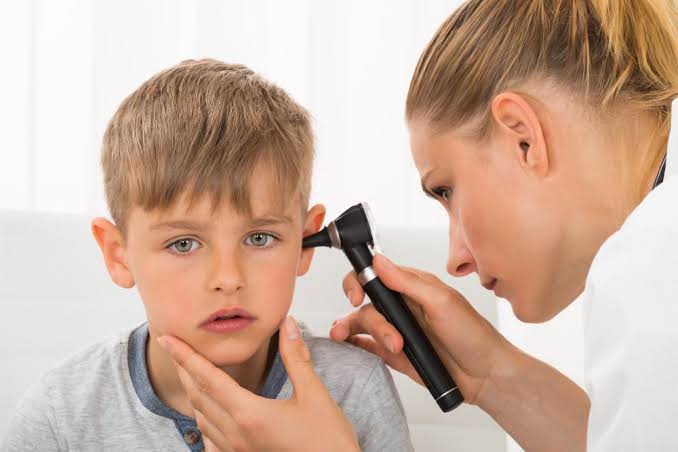
- Ear infections
- Sore throat
- COVID-19 and other respiratory viruses
- Urinary tract infections
- Stomach viruses
- Childhood viral illnesses
- Mild reactions after vaccinations
Most fevers in children are caused by viral infections and improve within a few days without antibiotics.
Is a High Fever Always Dangerous?
Many parents believe that the higher the fever, the more serious the illness. Fortunately, this is not always true.
Some children with temperatures above 39°C remain active, playful, and continue drinking fluids. On the other hand, a child with a lower temperature may appear tired, dehydrated, or unusually sleepy.
Instead of focusing only on the thermometer, ask yourself:
- Is my child drinking enough fluids?
- Are they alert and responsive?
- Can they be comforted?
- Are they breathing normally?
- Are they playing between periods of rest?
A child’s overall condition is often more important than the exact temperature.
When Should You Call a Doctor?
Although many fevers can be treated safely at home, certain situations require medical advice.
You should contact a healthcare provider if:
- Your baby is younger than three months and has a fever.
- The fever lasts longer than three days.
- Your child refuses to eat or drink.
- Your child has repeated vomiting or severe diarrhea.
- The fever keeps returning after it disappears.
- Your child complains of severe ear pain.
- Your child has difficulty swallowing.
- Your child has signs of dehydration, including a dry mouth, crying without tears, or fewer wet diapers.
- Your child has a weakened immune system or an underlying medical condition.
Early medical assessment can help identify infections that may require treatment.
Warning Signs That Need Immediate Medical Care
While most fevers are harmless, some symptoms should never be ignored.
Seek emergency medical attention if your child:
- Has difficulty breathing
- Experiences a seizure
- Has a stiff neck
- Becomes difficult to wake up
- Appears confused or unresponsive
- Develops a purple or non-fading rash
- Has severe pain that does not improve
- Shows signs of severe dehydration
- Has blue lips or skin
These symptoms may indicate a more serious condition that requires urgent medical care.
How Can You Care for a Child with a Fever at Home?
Most children recover well with supportive care.
Encourage Plenty of Fluids
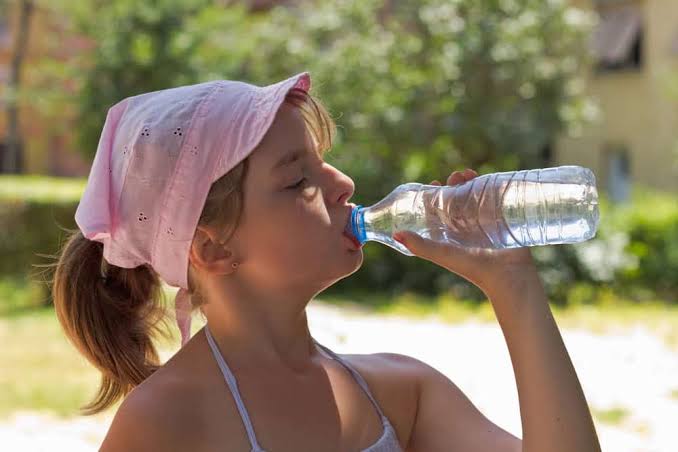
Fever increases the risk of dehydration. Offer water, milk, oral rehydration solutions, or clear soups in small amounts throughout the day.
Let Your Child Rest
Your child does not need to stay in bed all day, but they should avoid strenuous activities until they feel better.
Dress Comfortably
Light clothing helps your child stay comfortable. Avoid wrapping them in thick blankets because this may increase body temperature.
Offer Light Meals
Do not worry if your child’s appetite decreases for a day or two. Offer nutritious foods such as fruit, yogurt, soup, rice, or toast when they are ready to eat.
Use Fever Medicine Correctly
Paracetamol or ibuprofen may help reduce discomfort and improve your child’s ability to drink, eat, and rest. Always follow the dosage instructions based on your child’s age and weight. Never give aspirin to children unless specifically recommended by a healthcare professional.
Common Mistakes Parents Should Avoid
Many well-meaning parents make mistakes that can slow recovery or create unnecessary concern.
Avoid these common errors:
- Giving antibiotics without medical advice
- Using ice baths or very cold water to lower body temperature
- Dressing your child in heavy clothing
- Giving adult medicines to children
- Checking the temperature every few minutes
- Ignoring signs of dehydration because the fever has improved
The goal is not simply to lower the temperature but to help your child stay comfortable while the body fights the infection.
Can You Prevent Fevers?
Not every fever can be prevented, but healthy daily habits reduce the risk of infections.
Encourage your child to:
- Wash their hands regularly
- Stay up to date with recommended vaccinations
- Eat a balanced diet rich in fruits and vegetables
- Get enough sleep each night
- Stay physically active
- Avoid close contact with people who are sick whenever possible
These simple habits help strengthen the immune system and lower the risk of common childhood illnesses.
Frequently Asked Questions
Should I wake my child to give fever medicine?
If your child is sleeping comfortably, it is generally best to let them rest unless your healthcare provider has advised otherwise.
Can teething cause a high fever?
Teething may slightly raise body temperature, but it usually does not cause a true fever above 38°C. A higher temperature is more likely to have another cause.
How long does a typical fever last?
Most viral fevers improve within two to three days. If the fever lasts longer or new symptoms appear, medical advice is recommended.
When can my child return to school or daycare?
Children should usually return only after they have been fever-free for at least 24 hours without fever-reducing medication and are well enough to participate in normal activities.
Conclusion
Seeing your child with a fever can be worrying, but in most cases, it is a normal response to an infection and resolves without complications. The key is to observe your child’s overall condition rather than focusing only on the thermometer reading. Keeping your child hydrated, allowing plenty of rest, and monitoring for warning signs are usually the most important steps you can take at home.
If your child develops breathing difficulties, persistent vomiting, seizures, severe drowsiness, dehydration, or a fever that does not improve after several days, seek medical attention promptly. Knowing when to manage a fever at home and when to consult a healthcare professional gives parents greater confidence and helps ensure children receive the care they need at the right time.